
2 Stroke Or 4 Stroke Dirt Bike For Beginner
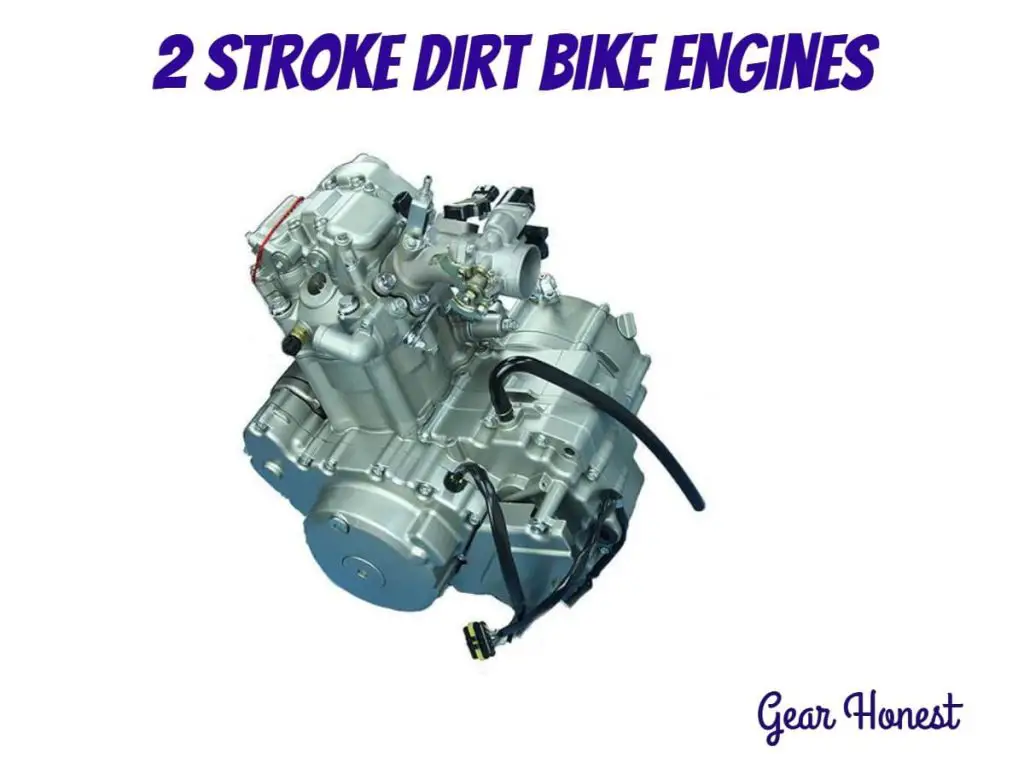
Choosing your first dirt bike is a crucial decision, and the age-old debate of 2-stroke vs. 4-stroke engines is at the heart of it. Understanding the fundamental differences in how these engines operate will significantly impact your riding experience, learning curve, and maintenance requirements. This article delves into the pros and cons of each engine type, specifically tailored for the beginner rider.
Understanding the Engine Fundamentals
Before diving into the comparison, let's briefly define the core difference. A 2-stroke engine completes its power cycle in two strokes (one up, one down) of the piston, achieving combustion every revolution. Conversely, a 4-stroke engine requires four strokes (intake, compression, combustion, exhaust) of the piston to complete a power cycle, firing every other revolution.
2-Stroke Dirt Bikes: Lightweight and Explosive
Traditionally, 2-stroke dirt bikes have been favored for their simplicity and power-to-weight ratio. Because they fire every revolution, they generally produce more power for their size and weight. This translates to a lighter, more nimble machine, which can be beneficial for beginner riders navigating tight trails or learning basic maneuvers. The key advantages for beginners include:
- Lower Weight: A lighter bike is easier to handle, especially when learning balance and control.
- Simpler Mechanics: 2-stroke engines have fewer moving parts, making them generally easier to maintain and repair, a plus for novice mechanics.
- Explosive Power Delivery: While this can be daunting, it also teaches throttle control early on. However, the "powerband" – a sudden surge of power – can be challenging to manage.
- Lower Initial Cost: 2-stroke bikes often have a lower initial purchase price compared to equivalent 4-stroke models.
However, 2-strokes also present some challenges for beginners:
- Aggressive Powerband: The sudden surge of power can be difficult to control, potentially leading to unintentional wheelies or loss of traction.
- Higher Maintenance Demands: While mechanically simpler, 2-strokes require frequent piston and ring replacements compared to 4-strokes. They also need premixing oil with gasoline, adding another step to fueling.
- Less Tractable Power: The narrower powerband means you'll be shifting gears more frequently to stay in the optimal power range, which can be tiring and distracting for a beginner.
- Environmental Considerations: 2-stroke engines tend to produce more emissions than 4-strokes, though modern advancements are mitigating this.
4-Stroke Dirt Bikes: Predictable and Forgiving
4-stroke dirt bikes have gained significant popularity, particularly among beginner and intermediate riders, due to their more user-friendly power delivery and broader torque curve. While heavier than 2-strokes, they offer a more predictable and manageable riding experience. The key advantages for beginners include:
- Linear Power Delivery: The power builds more gradually and predictably, making it easier to control the bike and maintain traction. This "tractable" power is excellent for learning proper riding techniques.
- Broader Torque Curve: A wider powerband means less frequent shifting, allowing you to focus on other aspects of riding, such as cornering and balance.
- Lower Maintenance (Long-Term): While 4-strokes are more complex internally, they generally require less frequent top-end rebuilds than 2-strokes.
- Fuel Efficiency: 4-stroke engines are generally more fuel-efficient than 2-strokes.
- Cleaner Emissions: 4-strokes typically produce fewer emissions, making them a more environmentally conscious choice.
The disadvantages of 4-strokes for beginners include:
- Higher Weight: The added weight can make the bike feel less nimble and more difficult to maneuver, especially for smaller or less experienced riders.
- More Complex Mechanics: 4-stroke engines have more moving parts, making them more challenging to repair, requiring specialized tools and knowledge.
- Higher Initial Cost: 4-stroke dirt bikes generally have a higher initial purchase price compared to equivalent 2-stroke models.
Real-World Examples and Recommendations
Consider these scenarios: A young teenager starting out might find a smaller 2-stroke like a Yamaha YZ85 or KTM 85 SX manageable for learning the basics. An adult beginner might prefer a 4-stroke like a Honda CRF250F or Yamaha TT-R230 for their more forgiving power and ease of use. The CRF250F, for example, is known for its smooth power delivery and electric start, making it an excellent entry-level bike.
Making the Right Choice
Ultimately, the best choice between a 2-stroke and 4-stroke dirt bike for a beginner depends on individual factors such as size, strength, riding style, budget, and mechanical aptitude. If you prioritize lightweight handling, affordability, and don't mind a more demanding engine, a 2-stroke might be suitable. If you value predictable power, ease of use, and long-term reliability, a 4-stroke is likely the better option. Consider test riding both types of bikes (if possible) and consulting with experienced riders or mechanics to make an informed decision. Don't underestimate the importance of proper riding gear and safety training, regardless of the engine type you choose.