
2000 Chevrolet Silverado 1500 5.3l V8 Specs
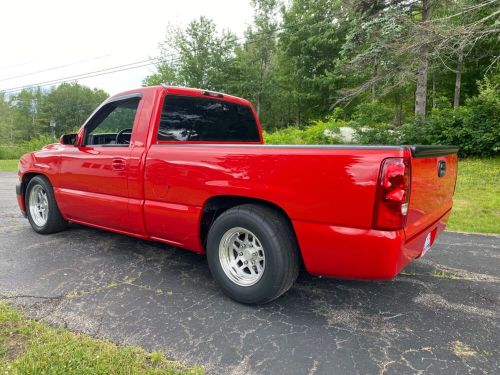
The 2000 Chevrolet Silverado 1500, a workhorse of the late 20th and early 21st century, remains a popular choice for its reliability and versatility. For many, the heart of this truck is the 5.3L Vortec V8 (LM7). Let's delve into the specifics of this engine, a cornerstone of the GM truck lineup for years.
Engine Specifications: Under the Hood of the 2000 Silverado 1500
The 5.3L Vortec V8, internally designated as the LM7, is a naturally aspirated, gasoline-powered engine. It's a member of the GM Gen III small-block engine family, known for its robust design and relatively simple architecture. Here's a breakdown of the key specs:
- Displacement: 5.3 liters (325 cubic inches)
- Engine Code: LM7 (typically found on the Vehicle Identification Number (VIN))
- Cylinder Head Material: Aluminum
- Block Material: Cast Iron
- Valvetrain: Overhead Valve (OHV), 2 valves per cylinder
- Horsepower: 270-285 hp @ 5200 rpm (depending on specific truck configuration)
- Torque: 315-325 lb-ft @ 4000 rpm (depending on specific truck configuration)
- Compression Ratio: 9.5:1
- Bore x Stroke: 96.01 mm (3.78 in) x 92.00 mm (3.62 in)
- Fuel System: Sequential Fuel Injection (SFI)
- Firing Order: 1-8-7-2-6-5-4-3
Performance and Fuel Economy
The LM7 provides a good balance of power and efficiency for the 2000 Silverado 1500. While not a powerhouse compared to later engines, it delivers adequate torque for towing and hauling. Fuel economy is respectable for a full-size truck of this era, typically ranging from 14-17 mpg in the city and 18-22 mpg on the highway, depending on driving habits, axle ratio, and whether it's a 2WD or 4WD model.
Keep in mind that these figures are estimates and can vary based on the truck's condition and maintenance history. A well-maintained engine with proper tire inflation and a conservative driving style will yield better fuel economy.
Common Issues and Maintenance
Like any engine, the 5.3L LM7 has its share of common issues. Some of the more frequently reported problems include:
- Oil Consumption: Some LM7 engines are known to consume oil, particularly as they age. Regularly checking the oil level and using a high-quality oil can help mitigate this issue.
- Intake Manifold Gasket Leaks: The intake manifold gaskets can deteriorate over time, leading to vacuum leaks and drivability problems.
- Knock Sensor Issues: Knock sensors can fail, causing the engine to retard timing and reduce performance.
- Fuel Injector Problems: Clogged or leaking fuel injectors can lead to poor fuel economy and rough running.
Regular maintenance is crucial for keeping the LM7 running smoothly. This includes:
- Oil Changes: Every 3,000-5,000 miles using the correct oil viscosity (typically 5W-30).
- Air Filter Replacement: Regularly replacing the air filter ensures optimal airflow to the engine.
- Spark Plug Replacement: Replace spark plugs according to the manufacturer's recommended interval (usually every 100,000 miles).
- Coolant Flush: Flushing the cooling system every few years helps prevent corrosion and overheating.
- Fuel Filter Replacement: Replacing the fuel filter helps maintain fuel system cleanliness and prevents fuel starvation.
Real-World Applications and Aftermarket Potential
The 5.3L LM7 engine has proven itself in a wide range of applications, from daily driving to heavy-duty work. Its robust design and readily available parts make it a popular choice for engine swaps and modifications.
The aftermarket support for the LM7 is extensive. Performance upgrades such as cold air intakes, exhaust systems, and programmers can boost horsepower and torque. For those looking for even more power, superchargers and turbochargers are also popular options. The LM7 is a great platform for building a reliable and powerful street or off-road truck.
In conclusion, the 2000 Chevrolet Silverado 1500's 5.3L Vortec V8 is a dependable and versatile engine that has stood the test of time. Understanding its specifications, common issues, and maintenance requirements will help ensure its longevity and performance for years to come.