
2000 Dodge Ram Pickup 1500 Engine 5.9 L V8
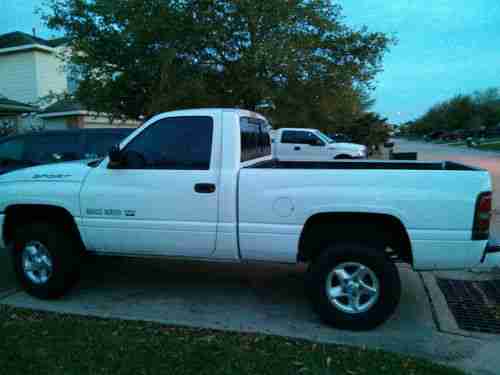
The 2000 Dodge Ram Pickup 1500, equipped with the 5.9L (360 cubic inch) V8 engine, remains a significant vehicle in automotive history, representing a blend of old-school engineering and practical performance. This article delves into the technical specifications, engineering choices, real-world performance, and reliability aspects of this powerplant, offering a comprehensive analysis for automotive professionals.
Technical Specifications and Engineering Choices
The 5.9L Magnum V8 is a pushrod engine, a design choice that prioritized simplicity and cost-effectiveness. Its iron block and cast iron cylinder heads contributed to durability, albeit at the expense of weight. The engine featured a 4.00-inch bore and a 3.58-inch stroke, resulting in a slightly oversquare configuration that favored higher RPM power delivery. The compression ratio was a relatively modest 9.0:1, making it compatible with regular unleaded gasoline.
Fuel delivery was managed by a sequential multi-port fuel injection (SMPI) system. This system offered improved fuel atomization and control compared to older throttle-body injection systems, leading to better fuel economy and emissions. The engine management system, controlled by a PCM (Powertrain Control Module), monitored various sensors to optimize engine performance in different driving conditions. The valve train utilized hydraulic roller lifters, which reduced friction and improved durability compared to flat tappet lifters. The 5.9L V8 was rated at 245 horsepower at 4,000 RPM and 335 lb-ft of torque at 3,200 RPM. These numbers, while not class-leading, provided ample low-end torque suitable for towing and hauling.
Real-World Performance and Comparisons
In the real world, the 5.9L V8 delivered adequate performance for the 2000 Dodge Ram 1500. Acceleration was reasonable, and the engine provided sufficient torque for towing trailers and carrying heavy loads. However, fuel economy was a significant drawback. Expect to average between 12-16 MPG in city driving and 16-20 MPG on the highway. This fuel consumption was considerably worse than more modern V8 engines or even some contemporary V6 options.
Compared to alternatives like the Ford F-150's 4.6L and 5.4L Modular V8s, the 5.9L offered a similar torque output but generally lagged in horsepower, especially at higher RPMs. GM's 5.3L Vortec V8, while not available in 2000, represented a more advanced and fuel-efficient alternative that eventually surpassed the 5.9L in overall performance and refinement. The 5.2L Magnum V8, also available in the Ram 1500, offered slightly better fuel economy but sacrificed power.
Pros and Cons
Pros:
- High Torque Output: Excellent low-end torque made it suitable for towing and hauling.
- Simplicity: The pushrod design was relatively simple and easy to maintain.
- Durability: The cast iron block and heads contributed to a robust engine that could withstand abuse.
- Aftermarket Support: Extensive aftermarket support for performance upgrades and modifications.
Cons:
- Poor Fuel Economy: Significantly lower fuel economy compared to contemporary engines.
- Lower Horsepower: Horsepower output lagged behind competitors.
- Heavy Weight: The cast iron construction added significant weight to the vehicle.
- Outdated Design: The pushrod design was becoming increasingly outdated compared to overhead cam engines.
Reliability and Maintenance
The 5.9L Magnum V8 is generally considered a reliable engine. However, like any engine, it is susceptible to certain issues. Common problems include leaky intake manifold gaskets, oil leaks, and occasional sensor failures. Regular maintenance is crucial for maintaining its reliability. This includes regular oil changes (every 3,000-5,000 miles with conventional oil), spark plug replacements, and periodic coolant flushes. Inspecting and replacing belts and hoses as needed is also important. Keeping the cooling system in good condition is critical to prevent overheating, which can damage the engine.
Specifically, paying attention to the distributor and ignition system is necessary. Replacing the distributor cap, rotor, and spark plug wires at recommended intervals can prevent misfires and ensure optimal performance. Also, ensure the throttle body is clean to prevent idle problems.
Future Trends and Forward-Looking Note
The automotive industry is rapidly evolving with a focus on electrification, autonomous driving, and connectivity. Engines like the 5.9L Magnum V8 represent a bygone era of simple, powerful, and relatively inefficient engines. While these engines may retain a nostalgic appeal for enthusiasts, they are unlikely to be seen in new vehicles in the future.
The future of internal combustion engines lies in increased efficiency, reduced emissions, and integration with hybrid and electric powertrains. Even traditional V8 engines are incorporating technologies like cylinder deactivation, direct injection, and turbocharging to improve fuel economy and performance. As the industry transitions towards electric vehicles, automotive professionals will need to adapt their skills and knowledge to service and maintain these new technologies. Understanding the fundamentals of older engines like the 5.9L V8 provides a valuable foundation for understanding the evolution of automotive technology and the challenges of maintaining older vehicles. The focus now is on sustainable solutions and the electrification of transportation.