
2002 Chevy Trailblazer Power Steering Pump
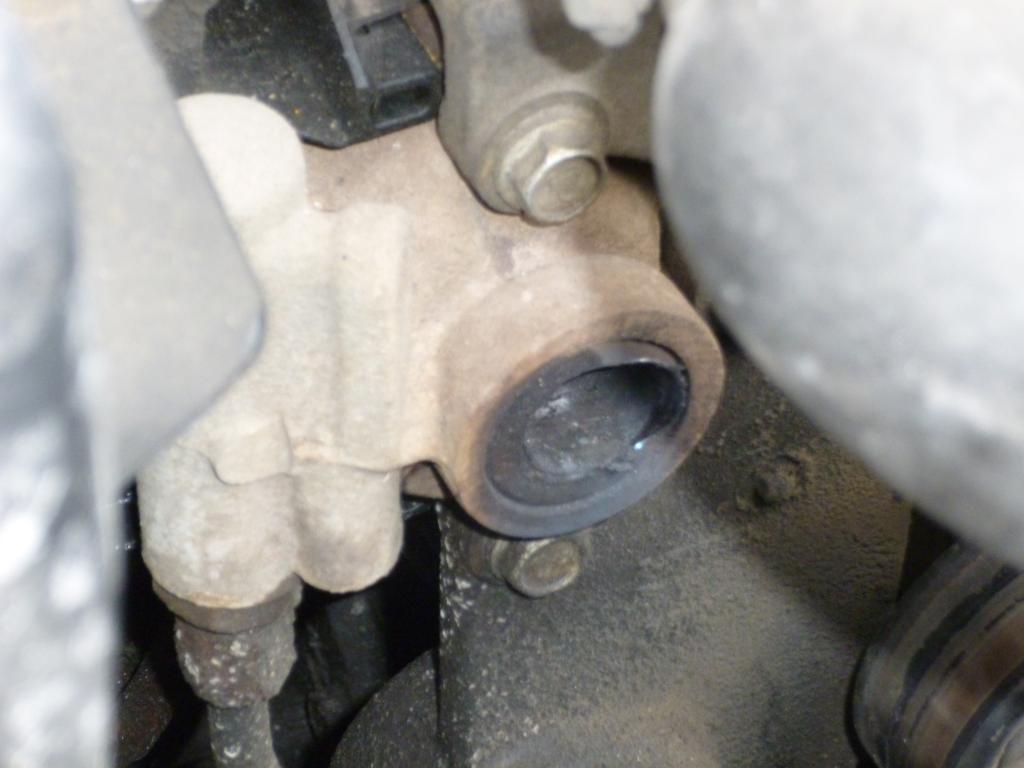
The 2002 Chevy Trailblazer, a popular SUV of its time, utilized a hydraulic power steering system to provide drivers with assisted steering. At the heart of this system lies the power steering pump, a critical component that can significantly impact driving feel and maneuverability. This article delves into the specifics of the 2002 Trailblazer's power steering pump, covering its function, common problems, troubleshooting techniques, and replacement procedures. This is aimed towards experienced DIYers, so you should have a good understanding of automotive repair safety and best practices.
Power Steering System Overview
Before diving into the pump itself, it's crucial to understand the overall system. A hydraulic power steering system uses fluid pressure to amplify the steering input from the driver. This pressure is generated by the power steering pump, which is typically driven by the engine's serpentine belt. The pressurized fluid is then routed to the steering gear (or rack and pinion unit), where it assists in moving the steering linkage, thereby reducing the effort required to turn the steering wheel. This makes driving a larger vehicle like the Trailblazer much easier, especially at lower speeds.
The major components of the system include:
- Power Steering Pump: The focus of this article, responsible for generating fluid pressure.
- Power Steering Reservoir: Holds the power steering fluid.
- High-Pressure Hose: Carries the pressurized fluid from the pump to the steering gear.
- Low-Pressure Return Hose: Returns the fluid from the steering gear back to the reservoir.
- Steering Gear (or Rack and Pinion): Uses the fluid pressure to assist steering.
- Steering Linkage: Connects the steering gear to the wheels.
- Cooler (Optional): Some models may have a cooler to dissipate heat from the fluid.
The 2002 Trailblazer Power Steering Pump
The 2002 Chevy Trailblazer typically uses a vane-type power steering pump. This type of pump consists of a rotor with vanes that slide in and out of slots. As the rotor spins, these vanes create chambers that draw in fluid from the reservoir, compress it, and then expel it under high pressure. The pump is designed to deliver a consistent flow rate, even at varying engine speeds.
Key characteristics of the 2002 Trailblazer's power steering pump include:
- Location: Typically mounted on the front of the engine, driven by the serpentine belt.
- Fluid Type: Specified power steering fluid (refer to your owner's manual for the correct type – usually a GM-specific power steering fluid is required; using the wrong fluid can damage the pump and seals).
- Pressure Relief Valve: Incorporated into the pump to prevent over-pressurization of the system.
Common Power Steering Pump Problems
Several issues can arise with the power steering pump, leading to various symptoms. Identifying these problems early can prevent further damage to the system.
Noisy Operation
A common symptom is a whining or groaning noise, especially when turning the steering wheel. This can indicate low fluid level, air in the system (cavitation), or a worn-out pump. A failing pump will often make more noise during a cold start and will improve as it warms up.
Hard Steering
If the steering becomes difficult, especially at low speeds, it could be a sign of a failing pump or low fluid pressure. Check the fluid level first. If the fluid level is appropriate, a failing pump is a likely culprit.
Fluid Leaks
Leaks can occur from the pump itself, the reservoir, or the hoses and connections. Leaks can cause low fluid levels, leading to pump damage and steering problems. The high-pressure line connections on the pump are common sources of leaks, as are the seals around the pump shaft.
Foaming Fluid
Air entering the system can cause the power steering fluid to foam. This can reduce the pump's efficiency and lead to noisy operation and poor steering assist. Check the low-pressure return hose and connections for leaks that could be allowing air into the system. Foaming can also be caused by contaminated fluid.
Belt Slippage
If the serpentine belt is worn, loose, or contaminated with oil, it can slip on the pump pulley, reducing the pump's output. This can cause intermittent steering problems, especially under load (e.g., turning the wheel while stationary).
Troubleshooting the Power Steering Pump
Before replacing the power steering pump, it's crucial to troubleshoot the system thoroughly to ensure that the pump is indeed the source of the problem. Here's a step-by-step approach:
- Check Fluid Level: The simplest first step. Ensure the reservoir is filled to the proper level with the correct fluid. Low fluid is a very common cause of power steering issues.
- Inspect for Leaks: Examine the pump, hoses, reservoir, and steering gear for any signs of leaks. Address any leaks before proceeding. Clean the area around the pump thoroughly and then monitor for new leaks after operating the vehicle.
- Check Belt Condition and Tension: Inspect the serpentine belt for wear, cracks, and proper tension. A worn or loose belt can cause the pump to operate inefficiently. Adjust the tensioner as needed or replace the belt.
- Listen for Noises: Start the engine and listen for any unusual noises from the pump. A whining or groaning noise that changes with engine speed is often indicative of a failing pump. Use a mechanic's stethoscope to isolate the source of the noise.
- Pressure Test (Advanced): A pressure test can confirm whether the pump is producing the correct pressure. This requires specialized tools and knowledge. A pressure gauge is connected to the high-pressure line to measure the pump's output. Consult a repair manual for the specified pressure range. Warning: High pressure is present during this test. Wear eye protection and be careful when disconnecting and connecting hoses.
- Fluid Condition: Examine the power steering fluid for discoloration, contamination, or the presence of air bubbles. Dark, dirty, or foamy fluid should be flushed and replaced. Consider a power steering system flush if the fluid is heavily contaminated.
Power Steering Pump Replacement
If troubleshooting points to a faulty power steering pump, replacement is necessary. This is a moderately difficult DIY project requiring some mechanical skill and proper tools. Always consult your vehicle's repair manual for specific instructions and torque specifications.
Safety First: Disconnect the negative battery cable before starting any work on the power steering system. Power steering fluid can be corrosive, so wear eye protection and gloves.
- Drain the Power Steering Fluid: Use a turkey baster or a fluid extractor to remove as much fluid as possible from the reservoir. Disconnect the low-pressure return hose from the reservoir and direct it into a drain pan.
- Remove the Serpentine Belt: Use a serpentine belt tool to relieve tension on the belt and remove it from the power steering pump pulley.
- Disconnect the Hoses: Disconnect the high-pressure and low-pressure hoses from the pump. Be prepared for some fluid spillage. Use appropriate line wrenches to avoid rounding off the fittings.
- Remove the Pump: Unbolt the power steering pump from its mounting bracket. The exact number and location of the bolts will vary depending on the vehicle.
- Install the New Pump: Install the new power steering pump in the reverse order of removal. Ensure all bolts are tightened to the specified torque.
- Reconnect the Hoses: Reconnect the high-pressure and low-pressure hoses to the pump.
- Install the Serpentine Belt: Reinstall the serpentine belt, ensuring it is properly seated on all pulleys.
- Refill the Power Steering Fluid: Fill the reservoir with the correct type of power steering fluid to the "MIN" mark.
- Bleed the System: With the engine off, turn the steering wheel from lock to lock several times to bleed air from the system. Check the fluid level and add more as needed. Start the engine and repeat the process. Listen for any unusual noises and monitor the fluid level. This process may need to be repeated until all air is purged from the system and the steering feels normal.
Important Note: After replacing the power steering pump, it's crucial to properly bleed the system to remove any air trapped in the lines. Failure to do so can result in noisy operation, poor steering assist, and potential damage to the new pump.
Final Thoughts
Replacing the power steering pump on a 2002 Chevy Trailblazer is a task that requires careful attention to detail and adherence to safety precautions. By understanding the system, identifying potential problems, and following the correct replacement procedures, you can successfully complete this repair and restore the smooth steering that makes driving your Trailblazer a pleasure. Always double-check your work and consult a professional if you are unsure about any aspect of the repair. Good luck!