
2005 Chevy Cobalt Transmission Fluid Check
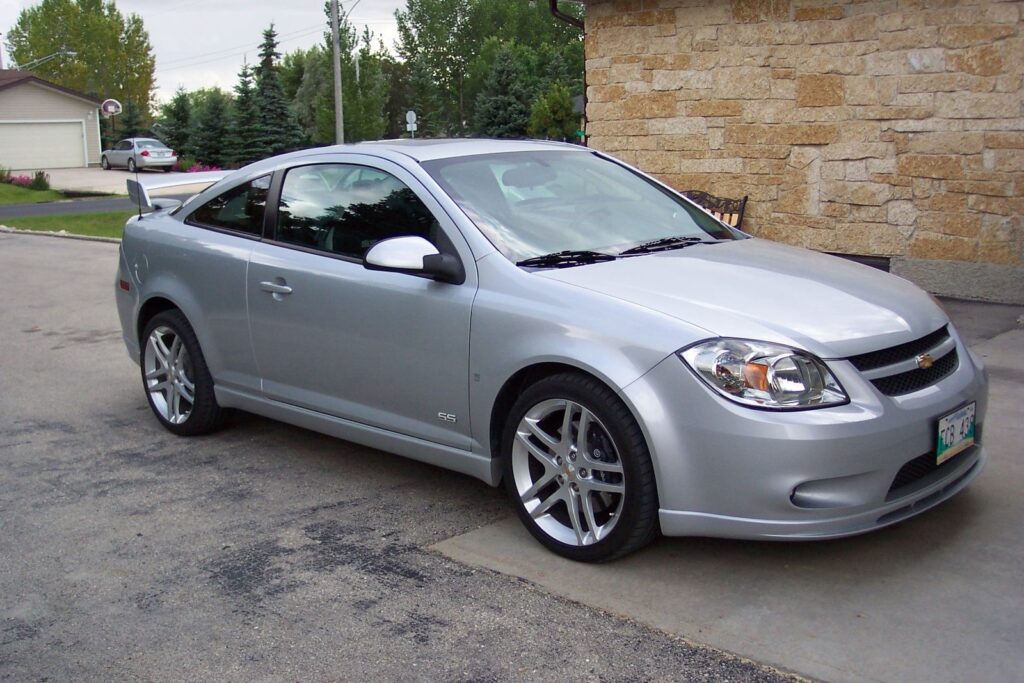
The 2005 Chevrolet Cobalt, a compact car that replaced the Cavalier, offered a seemingly simple solution for daily transportation. However, like any vehicle, its longevity hinged on proper maintenance, and one of the most critical aspects of that maintenance revolved around the transmission fluid. Understanding the specifics of checking and maintaining this fluid is crucial for automotive professionals dealing with this generation of Cobalts.
Transmission Fluid Specification and Engineering Choices
The 2005 Cobalt primarily utilized the 4T45E 4-speed automatic transmission. This transmission was designed to be relatively compact and cost-effective, fitting within the Cobalt's architecture and price point. General Motors specified DEXRON-III automatic transmission fluid for this unit. It's important to note that while DEXRON-III is no longer officially licensed by GM, suitable replacements are readily available from reputable aftermarket brands. When selecting a replacement, ensure it's explicitly formulated to be backwards-compatible with DEXRON-III specifications.
The engineering choice of the 4T45E was dictated by several factors, including fuel economy targets, manufacturing costs, and performance expectations for the target demographic. The 4-speed design, while simpler than newer transmissions with more gears, provided a balance between these considerations. However, the relatively low gear count meant that the transmission relied more heavily on the torque converter for smooth acceleration, which in turn placed greater demands on the transmission fluid to maintain consistent frictional characteristics and prevent shuddering.
Checking the Transmission Fluid: A Practical Guide
Unlike some modern vehicles, the 2005 Cobalt features a traditional dipstick for checking the transmission fluid level. This makes the process relatively straightforward:
- Locate the Dipstick: The transmission fluid dipstick is typically located near the transmission itself, often towards the front of the engine compartment. It's usually marked with a clear label.
- Warm Up the Engine: To get an accurate reading, the engine should be warm but not hot. A short drive of around 15-20 minutes is usually sufficient.
- Engage Park and Apply the Parking Brake: Ensure the vehicle is safely parked on a level surface.
- Remove and Wipe the Dipstick: Pull out the dipstick, and wipe it clean with a lint-free cloth.
- Reinsert and Check the Level: Fully reinsert the dipstick, and then pull it out again. Observe the fluid level. It should be between the "MIN" and "MAX" marks on the dipstick.
- Observe Fluid Condition: While checking the level, also pay attention to the color and smell of the fluid. Healthy transmission fluid is typically a reddish-brown color and has a slightly sweet odor. Dark brown or black fluid, or a burnt smell, indicates that the fluid is degraded and needs to be replaced.
Alternatives and Comparison
While DEXRON-III compatible fluids are the recommended option, some synthetic fluids marketed as "universal" or "multi-vehicle" ATFs might be considered. However, caution is advised. These fluids often contain additive packages designed to work with a broad range of transmissions, which might not be optimally suited for the 4T45E.
Pros of using DEXRON-III Compatible Fluid:
- Ensures compatibility with the transmission's original design specifications.
- Generally more affordable than synthetic alternatives.
Cons of using DEXRON-III Compatible Fluid:
- May not offer the same level of thermal stability or extended service life as synthetic fluids.
Pros of using Synthetic ATF:
- Improved thermal stability and oxidation resistance, potentially leading to longer service intervals.
- Enhanced protection against wear and tear, particularly in extreme operating conditions.
Cons of using Synthetic ATF:
- Higher cost compared to DEXRON-III compatible fluids.
- Potential for compatibility issues if not specifically designed for DEXRON-III applications. Always verify compatibility with the fluid manufacturer.
Reliability, Maintenance Tips, and Common Issues
The 4T45E transmission in the 2005 Cobalt is generally considered reliable, but it is susceptible to certain issues if neglected. Regular transmission fluid changes are paramount for preventing premature wear and tear. A recommended service interval is typically between 30,000 and 60,000 miles, depending on driving conditions. More frequent changes are advisable for vehicles subjected to heavy towing, frequent stop-and-go traffic, or extreme temperatures.
Common symptoms of a transmission problem include:
- Slipping gears
- Harsh or erratic shifting
- Delayed engagement
- Unusual noises, such as whining or clunking
- Fluid leaks
Addressing fluid leaks promptly is critical. Common leak points include the transmission pan gasket, the input shaft seal, and the output shaft seal. Using a high-quality gasket and seal during repairs can help prevent future leaks.
Future Trends
The automotive industry is rapidly evolving, with a strong push towards electric vehicles and advanced driver-assistance systems. However, gasoline-powered vehicles like the 2005 Cobalt will remain on the road for many years to come. As these older vehicles age, the demand for skilled technicians who understand their specific maintenance needs will increase. This includes a thorough understanding of transmission fluid specifications and the ability to diagnose and repair transmission-related issues effectively.
Furthermore, the increasing complexity of modern automatic transmissions, with their multiple gears and sophisticated electronic controls, highlights the importance of ongoing training and education for automotive professionals. Staying up-to-date with the latest technologies and diagnostic techniques is essential for providing quality service and ensuring customer satisfaction.
Looking ahead, the shift towards electric vehicles will eventually reduce the demand for traditional automatic transmission service. However, the skills and knowledge gained from working on these transmissions will remain valuable in other areas of vehicle maintenance and repair, such as electric motor repair and hybrid drivetrain servicing.