
2005 Ford F250 Super Duty 6.0 Diesel Weight
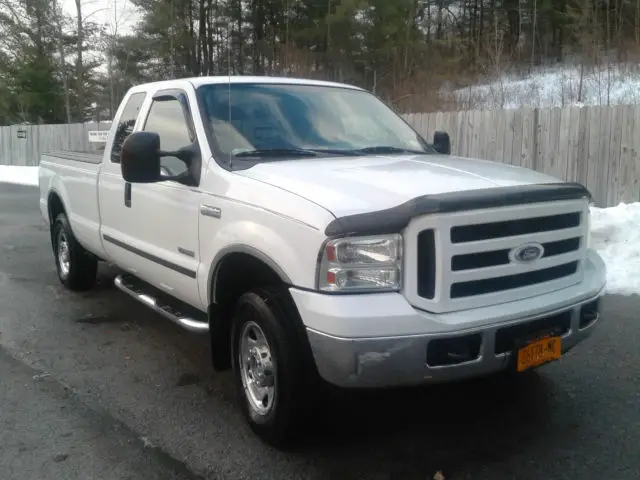
Understanding the weight of your 2005 Ford F250 Super Duty 6.0 Diesel is crucial for various reasons, from legal compliance to ensuring safe towing and hauling. This article provides a comprehensive overview of the different weight specifications you need to know about this popular truck.
2005 Ford F250 Super Duty 6.0 Diesel Weight: Key Considerations
When discussing the weight of a vehicle like the 2005 Ford F250 Super Duty 6.0 Diesel, it's important to differentiate between several key terms. These include:
- Curb Weight: The weight of the vehicle as it sits from the factory, including all standard equipment, fluids filled to capacity, but without any passengers or cargo.
- Gross Vehicle Weight Rating (GVWR): The maximum permissible weight of the vehicle when fully loaded, including passengers, cargo, and fuel. This is the upper limit that should never be exceeded.
- Gross Combined Weight Rating (GCWR): The maximum permissible weight of the vehicle and a trailer combined, including passengers, cargo, and fuel in both the vehicle and the trailer.
- Payload Capacity: The maximum weight of passengers and cargo that the vehicle can carry. This is calculated by subtracting the curb weight from the GVWR.
- Towing Capacity: The maximum weight of a trailer that the vehicle can tow. This is limited by the GCWR, GVWR, and other factors.
Understanding Curb Weight of the 2005 Ford F250 6.0 Diesel
The curb weight of a 2005 Ford F250 Super Duty 6.0 Diesel can vary depending on several factors, including the cab configuration (regular, SuperCab, Crew Cab), the bed length (standard, long), and whether it's a 4x2 or 4x4 model. Generally, the 6.0 diesel engine itself adds significant weight compared to gasoline engines. Therefore, the 2005 F250 with the 6.0 diesel will be heavier than comparable gasoline models.
While specific curb weight figures can vary slightly based on the exact options equipped, the approximate curb weight range for a 2005 Ford F250 Super Duty 6.0 Diesel is between 6,400 lbs to 7,200 lbs.
Factors affecting curb weight:
- Cab Configuration: Crew cabs are generally heavier than SuperCabs, which are heavier than regular cabs.
- Drivetrain: 4x4 models add weight compared to 4x2 models due to the additional transfer case and front axle components.
- Bed Length: Long beds add weight compared to standard beds.
- Options: Added options like leather seats, sunroofs, and upgraded sound systems can increase curb weight.
GVWR: Staying Within the Legal Limits
The Gross Vehicle Weight Rating (GVWR) is a critical number to be aware of. It's the maximum weight the vehicle can legally and safely handle when fully loaded. Exceeding the GVWR can lead to:
- Increased wear and tear on vehicle components (brakes, suspension, tires).
- Reduced braking performance.
- Handling instability.
- Potential for accidents.
- Legal penalties.
The GVWR for the 2005 Ford F250 Super Duty 6.0 Diesel typically ranges from 8,800 lbs to 10,000 lbs, depending on the configuration. You can find the exact GVWR for your specific truck on the driver's side doorjamb sticker.
GCWR and Towing Capacity: Pulling Power Defined
The Gross Combined Weight Rating (GCWR) dictates the maximum weight of the truck and trailer combined. Towing capacity, a closely related term, specifies the maximum weight of the trailer that can be safely towed. These figures are crucial for anyone planning to tow with their 2005 F250 6.0 Diesel.
The GCWR for a 2005 Ford F250 Super Duty 6.0 Diesel can range from approximately 20,000 lbs to 23,500 lbs, depending on axle ratio and configuration. Consequently, the towing capacity usually falls somewhere between 12,500 lbs and 15,500 lbs. Always consult your owner's manual and the doorjamb sticker for the precise GCWR and towing capacity for your specific truck.
Factors Affecting Towing Capacity:
- Axle Ratio: A higher (numerically) axle ratio generally provides better towing performance.
- Engine: The 6.0 Diesel is designed for significant towing, but proper maintenance is essential.
- Transmission: Automatic transmissions often have different towing capacities than manual transmissions.
- Brakes: Properly functioning brakes are crucial for safe towing.
- Tires: Tires must be rated for the weight being carried and towed.
Important Note: The stated towing capacity is a *maximum* figure. Always factor in the weight of passengers, cargo in the truck bed, and any accessories to ensure you don't exceed the GVWR or GCWR. It is always better to err on the side of caution.
Payload Capacity: What Can You Haul?
Payload capacity refers to the maximum weight of passengers and cargo you can carry in the truck itself. This is calculated by subtracting the curb weight from the GVWR.
For example, if your 2005 Ford F250 Super Duty 6.0 Diesel has a GVWR of 9,900 lbs and a curb weight of 7,000 lbs, your payload capacity would be 2,900 lbs. This means you can carry a combined weight of 2,900 lbs of passengers and cargo without exceeding the GVWR.
Overloading the payload capacity can lead to similar problems as exceeding the GVWR, including reduced braking performance, handling instability, and potential damage to the suspension and tires.
Finding Accurate Weight Information for Your Specific Truck
While this article provides general guidelines, the most accurate weight information for *your* specific 2005 Ford F250 Super Duty 6.0 Diesel can be found in the following places:
- Driver's Side Doorjamb Sticker: This sticker contains the GVWR, tire information, and other important weight specifications.
- Owner's Manual: The owner's manual provides detailed information on towing capacity, GCWR, and other relevant details.
- Ford Dealership: A Ford dealership can access vehicle-specific information based on your truck's VIN (Vehicle Identification Number).
Conclusion
Knowing the various weight specifications of your 2005 Ford F250 Super Duty 6.0 Diesel is essential for safe and responsible operation. By understanding the differences between curb weight, GVWR, GCWR, payload capacity, and towing capacity, you can ensure you're operating within legal limits, maximizing the performance of your truck, and preventing potential accidents. Always consult your doorjamb sticker and owner's manual for the most accurate and up-to-date information specific to your vehicle.