
2005 Mercedes Benz C230 Kompressor Problems
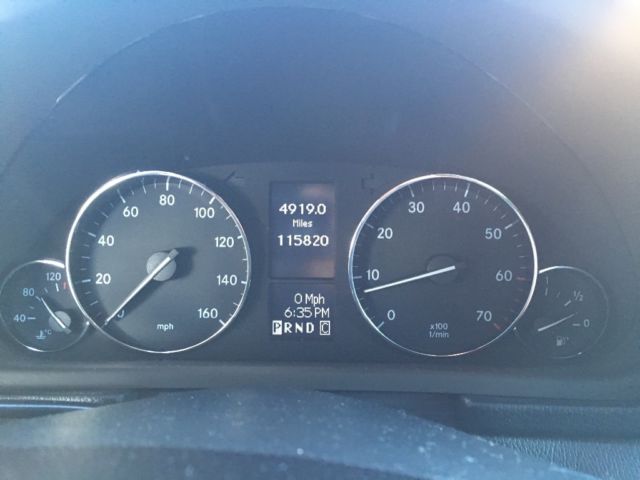
Ah, the 2005 Mercedes-Benz C230 Kompressor. A name that evokes a certain… *je ne sais quoi*. A blend of Teutonic engineering, a dash of forced induction, and a price point that made it somewhat accessible to the aspirational driver. But let's be honest, owning one wasn't always champagne wishes and caviar dreams. Like any used car, particularly a German one, it came with its quirks. Let's dive into the potential pitfalls and highlights of this often-misunderstood Benz.
Under the Hood: The Kompressor Heartbeat
The defining feature of the C230 Kompressor was, unsurprisingly, the Kompressor – Mercedes' fancy word for a supercharger. This wasn't your fire-breathing AMG powerplant, but a relatively modest 1.8-liter inline-four. Now, there were a few iterations of this engine, designated M271. In the 2005 C230, you were typically getting the M271.948 version. While all M271 engines share a basic architecture, subtle changes over the years impacted reliability and performance.
Here's a quick spec sheet:
| Specification | 2005 C230 Kompressor |
|---|---|
| Engine | 1.8L Supercharged Inline-4 (M271.948) |
| Horsepower | 189 hp @ 5500 rpm |
| Torque | 192 lb-ft @ 3500 rpm |
| Transmission Options | 6-speed Manual, 5-speed Automatic |
The supercharger aimed to provide a more immediate torque response than a naturally aspirated engine of similar size. And it generally succeeded, offering decent grunt in everyday driving. But this added complexity also meant added potential for problems.
Common Woes: The Dark Side of Forced Induction (and German Engineering)
Let's not sugarcoat it. The C230 Kompressor, especially as it ages, is prone to a few recurring issues. These aren't deal-breakers, but definitely things to be aware of when considering a purchase:
- Timing Chain Issues: The M271 engine, across various models and years, is infamous for timing chain wear. Premature stretching or even breakage can lead to catastrophic engine damage. Listen for a rattling sound on startup. Regular oil changes with the correct spec oil are *crucial*.
- Supercharger Clutch: The supercharger clutch can fail, resulting in a loss of boost. It's usually indicated by a lack of power and possibly a warning light.
- Mass Airflow Sensor (MAF): A faulty MAF sensor can cause poor running, stalling, and reduced fuel economy. This is a common issue in many cars, but the C230 seems particularly susceptible.
- Camshaft Adjuster Solenoids: These solenoids control the variable valve timing, and they can become clogged or fail, leading to rough idling and reduced performance.
- Fuel Injectors: Over time, fuel injectors can become clogged or leaky, impacting fuel efficiency and engine performance.
- Rust: Depending on the climate where the car has lived, rust can be a concern, particularly around the wheel arches and door sills.
Pros and Cons: A Balanced Perspective
To keep things fair, let's weigh the good against the bad:
Pros:
- Styling: The W203 C-Class is generally considered a handsome car, even today. It has a classic Mercedes look that ages well.
- Handling: The C230 offers a decent balance of comfort and handling. It's not a sports car, but it's reasonably engaging to drive.
- Fuel Economy: When running properly, the C230 Kompressor can achieve reasonable fuel economy, especially on the highway.
- Availability: Used C230 Kompressors are readily available and relatively affordable.
- Mercedes-Benz Prestige: You're still driving a Mercedes-Benz, with all the associated cachet (even if it's an older one).
Cons:
- Potential Reliability Issues: As outlined above, there are several potential problem areas to watch out for.
- Maintenance Costs: Parts and labor for Mercedes-Benz vehicles can be more expensive than for domestic or Japanese cars.
- Supercharger Maintenance: The supercharger itself requires periodic maintenance, which can add to the overall cost of ownership.
- Interior Quality: While generally well-designed, the interior materials in the C230 Kompressor can feel a bit dated compared to newer cars.
- Performance (Compared to Rivals): While the supercharger provides decent torque, the overall performance isn't particularly thrilling compared to some of its contemporaries.
Driving Impressions: The Supercharger Experience
Behind the wheel, the C230 Kompressor offers a unique experience. The supercharger provides a noticeable boost in low-end torque, making it feel more responsive than a naturally aspirated engine of similar displacement. The steering is precise and well-weighted, and the suspension provides a comfortable ride without being overly soft. However, it's not a sports car. The engine can feel a bit strained at higher RPMs, and the 5-speed automatic (if equipped) isn't the quickest-shifting transmission around. The 6-speed manual is the enthusiast's choice, offering a more engaging driving experience.
The Verdict: Buyer Beware, But Potential Reward
The 2005 Mercedes-Benz C230 Kompressor is a car that demands careful consideration. It's not a bulletproof vehicle, and potential buyers should be aware of the common problems. However, if you find a well-maintained example with a documented service history, and you're willing to invest in preventative maintenance, it can be a rewarding and relatively affordable way to experience Mercedes-Benz ownership. Just be prepared to get your hands dirty (or pay someone else to).
So, tell me, dear readers: Would *you* brave the potential pitfalls of a supercharged German sedan from the mid-2000s for the sake of style and that sweet Kompressor whine? Or would you opt for something a little more... *reliable*?