
2006 Honda Odyssey Rack And Pinion Bushing
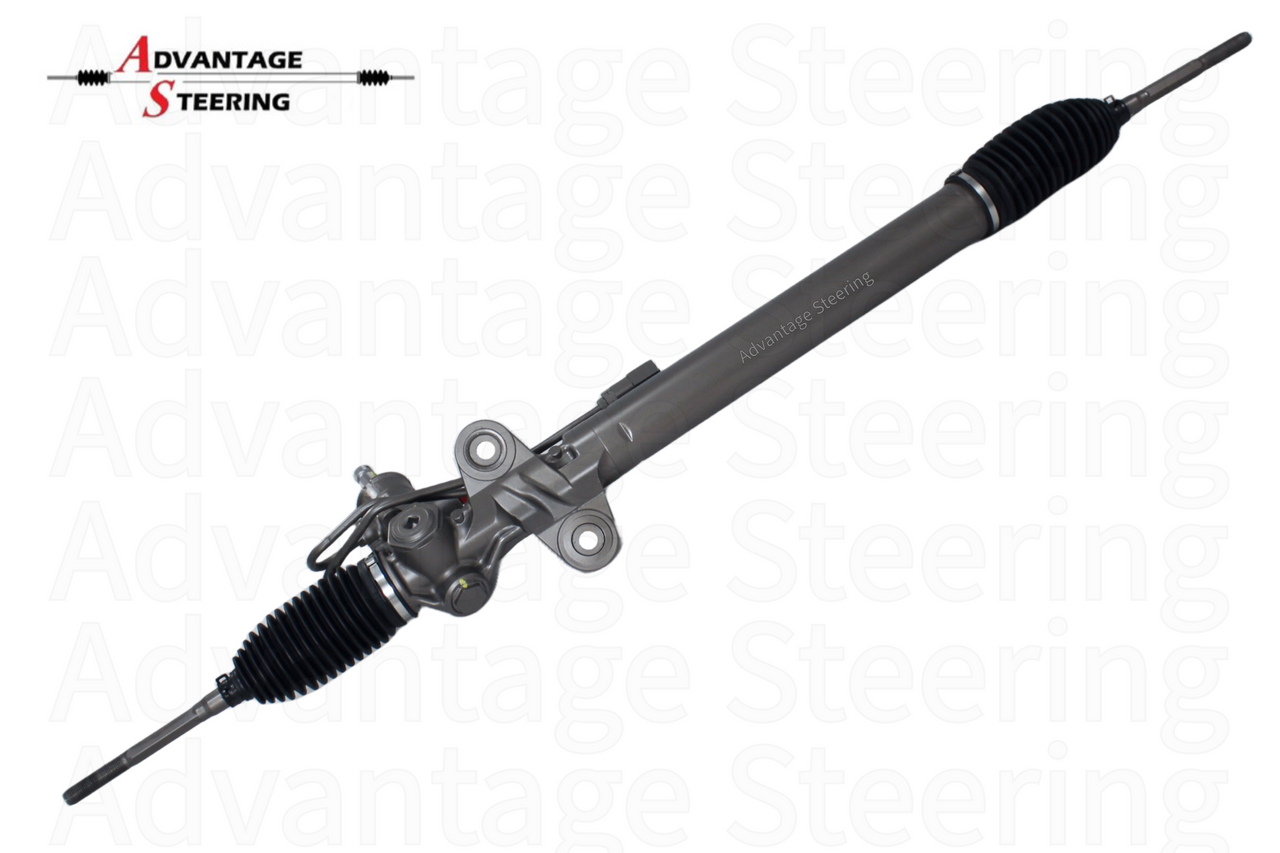
The 2006 Honda Odyssey, a mainstay of family transportation, relies on a rack and pinion steering system for responsive and accurate handling. A critical, often overlooked component within this system is the rack and pinion bushing. These small, seemingly insignificant pieces of rubber or polyurethane play a vital role in ensuring smooth operation and preventing excessive wear and tear. Understanding their function, failure modes, and replacement is crucial for maintaining the Odyssey's steering performance and longevity. This article delves into the technical aspects of the 2006 Honda Odyssey's rack and pinion bushings, exploring their purpose, diagnosis, and the considerations for replacement.
The Rack and Pinion System: A Primer
Before diving into the specifics of the bushings, let's briefly review the operation of a rack and pinion steering system. At its core, the system converts the rotary motion of the steering wheel into the linear motion needed to turn the wheels. The steering shaft connects the steering wheel to the pinion gear. This pinion gear meshes with the rack, a toothed bar that moves laterally. As the steering wheel is turned, the pinion gear rotates, pushing or pulling the rack. Tie rods, connected to the ends of the rack, then transmit this linear motion to the steering knuckles, which ultimately control the angle of the wheels.
The Role of the Rack and Pinion Bushing
The rack and pinion unit isn't simply bolted directly to the vehicle's frame. Instead, it's typically mounted using bushings. These bushings serve several crucial functions:
- Vibration Damping: Road vibrations and impacts are transmitted through the suspension and steering system. Bushings, typically made of rubber or polyurethane, absorb and dampen these vibrations, preventing them from being directly felt by the driver. This contributes significantly to ride comfort and reduces noise.
- Noise Reduction: Similar to vibration damping, bushings help to isolate the steering rack from the vehicle's frame, reducing the transmission of noise generated by the steering system itself.
- Rack Support and Stability: The bushings provide support and maintain the proper alignment of the rack within the steering assembly. They prevent excessive movement and ensure that the rack moves smoothly and predictably. This is critical for maintaining precise steering response.
- Preventing Metal-on-Metal Contact: The bushings act as a barrier, preventing direct metal-on-metal contact between the rack and the vehicle's frame. This minimizes wear and tear on both components, extending their lifespan.
In the 2006 Honda Odyssey, the rack and pinion is typically mounted with two primary bushings: one on each side of the rack housing, securing it to the subframe or chassis. These bushings are subjected to significant stress during normal operation.
Failure Modes of Rack and Pinion Bushings
Due to their constant exposure to stress, temperature fluctuations, and environmental contaminants, rack and pinion bushings are prone to degradation over time. Common failure modes include:
- Cracking and Tearing: The rubber compound can dry out and become brittle, leading to cracks and tears. This reduces the bushing's ability to absorb vibrations and maintain rack stability.
- Deformation and Compression: Over time, the bushing can compress under the constant load, losing its original shape and thickness. This allows for excessive rack movement and can lead to play in the steering.
- Separation from the Housing: In some cases, the bushing may separate from the metal housing that secures it to the frame. This results in significant play and instability in the steering system.
- Oil Contamination: Exposure to oil, power steering fluid, or other contaminants can accelerate the degradation of rubber bushings, causing them to swell, soften, or dissolve.
Symptoms of Failing Rack and Pinion Bushings
Several symptoms can indicate that the rack and pinion bushings are failing. Recognizing these symptoms early can prevent further damage to the steering system:
- Loose or Wandering Steering: A feeling of looseness or play in the steering wheel, requiring constant corrections to maintain a straight line. The vehicle may feel like it's wandering or drifting.
- Clunking or Rattling Noises: A noticeable clunking or rattling sound coming from the front of the vehicle, especially when driving over bumps or making turns. This is often caused by the rack moving excessively within its mountings.
- Increased Steering Effort: The steering wheel may feel heavier or require more effort to turn, especially at low speeds.
- Vibration in the Steering Wheel: Excessive vibration transmitted through the steering wheel, particularly when driving over rough roads.
- Uneven Tire Wear: While not always directly related, failing rack and pinion bushings can contribute to misalignment and uneven tire wear patterns.
Diagnosis: Identifying a Bushing Problem
Diagnosing a rack and pinion bushing problem typically involves a visual inspection and a physical test. Here's a breakdown:
- Visual Inspection: Carefully inspect the bushings for any signs of cracking, tearing, deformation, or separation. Look for oil contamination or other signs of degradation. A bright flashlight and a mirror can be helpful for accessing hard-to-reach areas. Pay close attention to the bushing closest to the exhaust, as heat can accelerate its deterioration.
- Physical Test (Dry Park Test): With the vehicle safely supported on jack stands, have a helper rock the steering wheel back and forth while you observe the rack and pinion unit. Look for any excessive movement or play between the rack and its mountings. You should be able to see the bushings flexing, but excessive movement indicates a problem. Using a pry bar to gently apply pressure to the rack while observing the bushings can also help reveal excessive play.
- Road Test: A road test can help confirm the symptoms observed during the visual inspection and physical test. Pay attention to steering feel, noise levels, and any tendency for the vehicle to wander.
Replacement Considerations: OEM vs. Aftermarket
When replacing rack and pinion bushings, you have several options: OEM (Original Equipment Manufacturer) bushings and aftermarket bushings. Each has its pros and cons:
- OEM Bushings: OEM bushings are designed specifically for the 2006 Honda Odyssey and are typically made of rubber. They offer a good balance of ride comfort, noise reduction, and durability. However, they may be more expensive than aftermarket options.
- Aftermarket Bushings (Rubber): Aftermarket rubber bushings are often a more affordable alternative to OEM bushings. Quality can vary significantly, so it's important to choose a reputable brand.
- Aftermarket Bushings (Polyurethane): Polyurethane bushings are a popular upgrade for those seeking improved steering response and handling. They are stiffer than rubber bushings, resulting in less flex and more direct feedback. However, they can also transmit more vibration and noise to the cabin. Polyurethane bushings are also more resistant to oil and other contaminants. Choosing the right durometer (hardness) of polyurethane is crucial; too stiff, and the ride will be harsh.
The choice between OEM and aftermarket bushings depends on your priorities. If ride comfort and noise reduction are paramount, OEM or high-quality rubber aftermarket bushings are the best choice. If you're looking for improved steering response and are willing to sacrifice some ride comfort, polyurethane bushings may be a better option.
Replacement Procedure: A General Overview
Replacing rack and pinion bushings typically involves the following steps. Safety is paramount; always use proper safety precautions when working on your vehicle. This includes wearing safety glasses, using jack stands, and disconnecting the battery.
- Preparation: Safely lift and support the vehicle on jack stands. Remove the wheels. Disconnect any necessary components that may obstruct access to the rack and pinion unit, such as sway bar links or tie rod ends.
- Rack Removal (If Necessary): In some cases, it may be necessary to remove the entire rack and pinion unit from the vehicle to access the bushings. This will involve disconnecting the steering shaft, power steering lines (if applicable), and tie rods. Remember to properly cap off any open power steering lines to prevent fluid leakage and contamination.
- Bushing Removal: Once the rack is accessible, remove the old bushings. This may involve using a specialized bushing removal tool, a press, or other appropriate methods. Be careful not to damage the rack housing during removal.
- Bushing Installation: Install the new bushings, ensuring they are properly seated and aligned. Lubricating the bushings with a silicone-based grease can aid in installation.
- Reassembly: Reinstall the rack and pinion unit (if removed), reconnecting all components in the reverse order of removal. Be sure to torque all fasteners to the manufacturer's specifications.
- Alignment: After replacing rack and pinion bushings, it's essential to have the vehicle's alignment checked and adjusted by a qualified technician. This will ensure proper steering geometry and prevent premature tire wear.
Replacing rack and pinion bushings can be a challenging task, especially for those with limited mechanical experience. If you're not comfortable performing this repair yourself, it's best to seek the assistance of a qualified mechanic.
Conclusion
Rack and pinion bushings are an integral part of the 2006 Honda Odyssey's steering system. Understanding their function, failure modes, and replacement options is crucial for maintaining the vehicle's handling and ride quality. By recognizing the symptoms of failing bushings and performing regular inspections, you can ensure that your Odyssey continues to provide safe and reliable steering performance for years to come. Remember to prioritize safety and consult a qualified mechanic if you are unsure about any aspect of the repair process.