
2006 Subaru Outback Engine 2.5 L 4 Cylinder
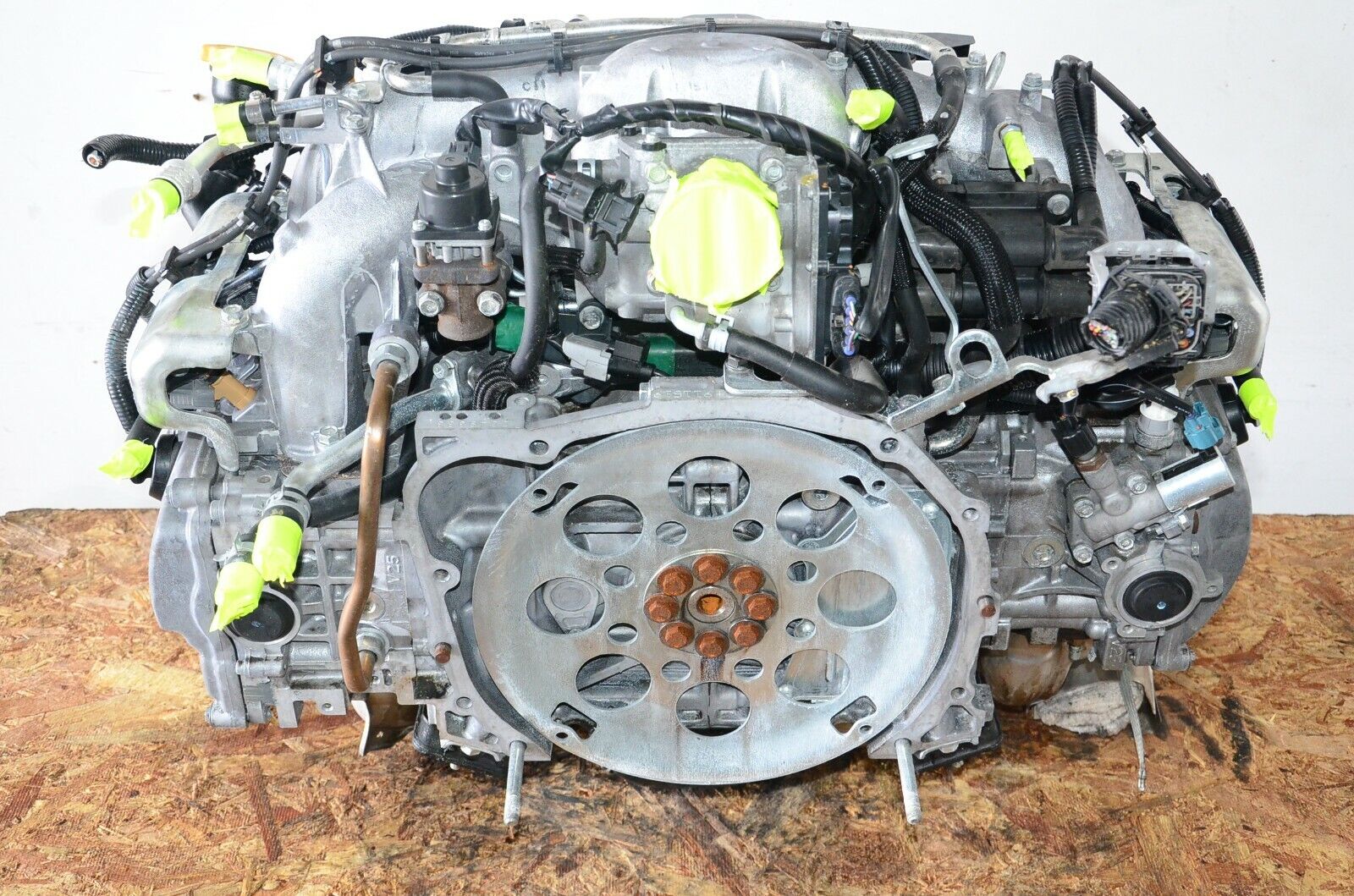
The 2006 Subaru Outback, particularly the model equipped with the 2.5L 4-cylinder engine, represents a significant chapter in Subaru's history. This engine, a staple of the brand for many years, offers a unique blend of performance, reliability, and engineering innovation that automotive professionals should understand in detail. This article delves into the technical specifications, engineering choices, real-world performance, comparisons, reliability, maintenance, and future trends surrounding this iconic powerplant.
Technical Specifications and Engineering Choices
The 2006 Subaru Outback 2.5L engine, designated as the EJ253, is a horizontally opposed, four-cylinder (boxer) engine. This configuration is crucial to Subaru's identity and offers inherent advantages. Displacement is 2457cc (2.5 liters), with a bore and stroke of 99.5mm x 79mm. The compression ratio typically sits around 10:1. Power output is generally rated at around 170 horsepower at 5600 rpm and 170 lb-ft of torque at 4000 rpm, although slight variations might exist based on specific trim levels and market regions.
Key engineering choices include the SOHC (Single Overhead Camshaft) design for each cylinder bank. While some competitors at the time were moving toward DOHC (Dual Overhead Camshaft) configurations for increased valve control and higher RPM power, Subaru opted for SOHC, prioritizing simplicity, reliability, and lower manufacturing costs. The EJ253 features four valves per cylinder, driven by a timing belt (a critical maintenance item, as we'll discuss later). The engine block and cylinder heads are typically made of aluminum alloy, contributing to weight reduction and improved thermal efficiency.
The horizontally opposed layout provides a lower center of gravity compared to inline or V-shaped engines. This contributes to improved handling and stability, a signature trait of Subaru vehicles. The inherent balance of the boxer engine also reduces vibrations, leading to a smoother driving experience.
Real-World Performance and Comparisons
In real-world driving, the 2.5L EJ253 provides adequate performance for everyday use. The engine's torque curve is relatively flat, offering decent acceleration from low to mid-range RPMs. However, it's not a powerhouse. Overtaking maneuvers and steep inclines might require more aggressive throttle input. Fuel economy is generally acceptable for its class and AWD configuration, typically ranging from 20-25 mpg combined.
Compared to alternatives available in 2006, such as the Toyota RAV4's inline-4 or the Honda CR-V's inline-4, the Subaru's boxer engine offers a distinctly different driving experience. The Toyota and Honda engines generally provided slightly better fuel economy and a more refined sound. However, the Subaru's AWD system and lower center of gravity gave it an advantage in terms of handling and all-weather capability. Furthermore, the boxer engine's unique sound and character appealed to a specific niche of drivers.
A significant competitor within Subaru's own lineup was the turbocharged 2.5L engine available in the Outback XT. The XT offered significantly more power and performance, but came with increased complexity, higher maintenance costs, and potentially lower long-term reliability.
Pros and Cons
Pros:
- Low center of gravity contributing to superior handling.
- Relatively simple and reliable design (compared to turbocharged alternatives).
- Distinctive boxer engine sound and character.
- Adequate torque for everyday driving.
Cons:
- Not as fuel-efficient as some competitors.
- SOHC design limits high-RPM performance.
- Timing belt requires periodic replacement.
- Prone to head gasket issues (a well-documented weakness).
Reliability Aspects and Maintenance Tips
The EJ253 engine is generally considered reliable, but it does have some known weaknesses. The most significant is the potential for head gasket failure. This issue is often attributed to the original factory-installed gaskets, which were prone to leaking coolant and oil. Upgraded head gaskets are available and highly recommended when performing repairs or preventative maintenance. Symptoms of head gasket failure include coolant loss, overheating, white smoke from the exhaust, and oil contamination.
Regular maintenance is crucial for maximizing the lifespan of the EJ253. Key maintenance items include:
- Timing belt replacement: Every 105,000 miles (or as recommended by the manufacturer). Failure to replace the timing belt can result in catastrophic engine damage.
- Oil changes: Every 3,000-5,000 miles using the recommended oil viscosity and grade.
- Coolant flushes: Every 30,000 miles to prevent corrosion and maintain optimal cooling system performance.
- Spark plug replacement: At the recommended interval.
- Valve adjustments: While not always required, checking valve clearances periodically can help maintain optimal engine performance and prevent valve train wear.
Paying close attention to these maintenance items and addressing any potential issues promptly will help ensure the long-term reliability of the EJ253 engine.
Future Trends
While the 2006 Subaru Outback with the 2.5L engine represents a specific point in automotive history, its legacy continues to influence modern engine design. Future trends in the automotive industry are pushing towards greater fuel efficiency, reduced emissions, and increased electrification. Subaru has adopted direct injection and continuously variable transmissions (CVTs) in newer models to achieve these goals. While the traditional boxer engine layout is likely to remain a core element of the Subaru brand, expect to see increased hybridization and potentially even fully electric powertrains in the future.
The industry-wide shift towards electric vehicles (EVs) is undeniable. The 2006 Outback represents the tail end of an era dominated by internal combustion engines (ICE). As battery technology improves and charging infrastructure expands, EVs will gradually replace ICE vehicles in many applications. However, the distinctive driving experience and inherent advantages of the boxer engine may ensure its survival in certain niche markets, particularly those that value all-weather capability and unique performance characteristics.