
2007 Dodge Ram 1500 Transmission Fluid Type
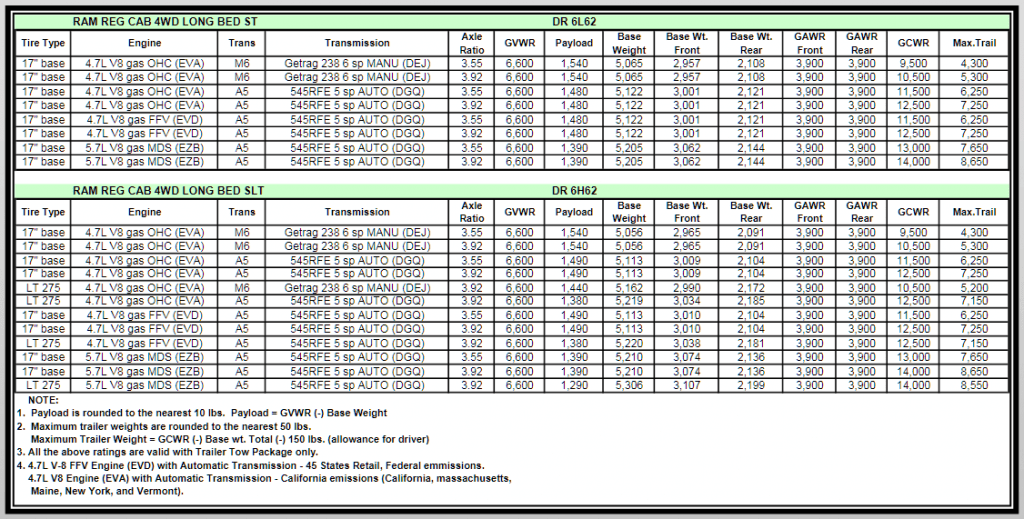
Alright folks, let's talk about your 2007 Dodge Ram 1500's transmission fluid. It's a topic that can be a bit confusing, but getting it right is crucial for the longevity and performance of your truck's transmission. We've seen a lot of these Rams come through the shop, and we've noticed a few common questions and problems owners face, so let's dive in and get you the right information.
Identifying the Correct Transmission Fluid
The first and most important thing: what kind of fluid does your 2007 Ram 1500 actually need? The general answer is ATF+4. This is a synthetic automatic transmission fluid specifically designed for Chrysler (now Stellantis) transmissions, including the ones found in your truck. Using the wrong fluid can lead to a whole host of problems, from poor shifting to complete transmission failure.
How do you confirm this?
- Check your owner's manual: This is always the best starting point. Your owner's manual will explicitly state the recommended transmission fluid type.
- Look for markings on the dipstick: The transmission fluid dipstick itself often has markings indicating the required fluid type. Look for "ATF+4" clearly printed on it.
- Consult a reliable parts store: Give them your truck's year, make, and model (and preferably the VIN), and they can look up the correct fluid in their system.
Warning: Don't just assume any "universal" automatic transmission fluid will work. While some might claim compatibility, sticking with ATF+4 is the safest bet for your 2007 Ram 1500.
Common Problems and Symptoms of Incorrect Fluid
Using the wrong transmission fluid, or having low fluid levels, can cause a range of symptoms. Here are some of the most common issues we see in the shop:
- Slipping Gears: The transmission may struggle to engage gears, or it might unexpectedly slip out of gear. This is often noticeable during acceleration.
- Rough or Hard Shifting: Shifts may feel jerky, abrupt, or delayed. You might hear clunking or banging noises during gear changes.
- Transmission Overheating: The transmission might run hotter than normal, potentially causing damage to internal components. You might notice a burning smell.
- Shuddering or Vibration: You might feel a vibration, especially at certain speeds or during acceleration.
- Transmission Failure: In severe cases, using the wrong fluid can lead to complete transmission failure, requiring costly repairs or a replacement.
- Check Engine Light (CEL): While not always directly related to the fluid itself, transmission problems can trigger a CEL. Codes related to transmission performance are a red flag.
Troubleshooting Fluid-Related Transmission Issues
If you're experiencing any of the symptoms above, here's a step-by-step approach to troubleshooting:
Step 1: Check the Fluid Level
Park your truck on a level surface and let the engine run until it reaches operating temperature. Locate the transmission fluid dipstick (usually at the rear of the engine compartment). Remove the dipstick, wipe it clean, reinsert it fully, and then remove it again to check the fluid level. The fluid should be within the "hot" range on the dipstick. Low fluid is a common cause of transmission problems.
Step 2: Inspect the Fluid Condition
While you have the dipstick out, take a close look at the fluid itself. The fluid should be a translucent red color. If it's dark brown or black, smells burnt, or contains metal particles, it's time for a transmission fluid change. A milky or foamy appearance indicates coolant contamination, which is a serious problem that requires immediate attention.
Step 3: Consider a Fluid and Filter Change
If the fluid is low, top it off with ATF+4. If the fluid is dirty or contaminated, a fluid and filter change is in order. This is a relatively straightforward maintenance task that can often be done at home with the right tools and knowledge. However, if you're not comfortable working on your vehicle, it's best to take it to a qualified mechanic.
Step 4: Check for Leaks
Inspect the transmission for any signs of leaks. Common leak points include the transmission pan gasket, the transmission cooler lines, and the seals around the transmission input and output shafts. Addressing leaks promptly can prevent further fluid loss and damage.
Step 5: Diagnostic Scan
If the problem persists after checking the fluid level and condition, and changing the fluid and filter (if necessary), it's time for a diagnostic scan. A scan tool can read diagnostic trouble codes (DTCs) stored in the transmission control module (TCM), which can provide valuable clues about the nature of the problem.
Performing a Transmission Fluid and Filter Change
If you decide to tackle a transmission fluid and filter change yourself, here's a basic overview of the process:
Tools and Materials Needed:
- ATF+4 Transmission Fluid (quantity will depend on the transmission)
- New Transmission Filter
- Transmission Pan Gasket
- Socket set (metric)
- Wrench set (metric)
- Torque wrench
- Drain pan
- Funnel
- Rags or paper towels
- Jack and jack stands (for safely lifting the vehicle)
- Gloves
- Safety glasses
Procedure (General):
- Safety First: Park your truck on a level surface, engage the parking brake, and use jack stands to safely lift the vehicle. Never work under a vehicle supported only by a jack.
- Locate and Remove the Drain Plug: If your transmission pan has a drain plug, carefully remove it and allow the old fluid to drain into a drain pan.
- Remove the Transmission Pan: If there is no drain plug, carefully loosen the pan bolts, starting from the rear, allowing the fluid to drain gradually. Be prepared for a mess!
- Remove and Replace the Filter: The transmission filter is typically held in place by a few bolts or clips. Remove the old filter and install the new one, ensuring it's properly seated.
- Clean the Transmission Pan: Clean the transmission pan and magnet (if equipped) to remove any debris or metal particles.
- Install the New Pan Gasket: Install a new transmission pan gasket onto the pan.
- Reinstall the Transmission Pan: Reinstall the transmission pan, tightening the bolts to the manufacturer's specified torque. Over-tightening can damage the pan or gasket.
- Add New Fluid: Locate the transmission fluid dipstick tube and use a funnel to add the correct amount of ATF+4 transmission fluid. Start with slightly less than the recommended amount and check the fluid level frequently.
- Check the Fluid Level: Start the engine and let it run for a few minutes, shifting through the gears. Then, check the fluid level using the dipstick and add more fluid as needed to reach the "hot" range.
- Check for Leaks: Inspect the transmission pan for any leaks.
Important Considerations:
* **Torque Specs:** Always use a torque wrench to tighten the transmission pan bolts to the manufacturer's specified torque. This prevents leaks and damage to the pan. * **Fluid Compatibility:** Double-check that you're using the correct type of ATF+4 transmission fluid. * **Cleanliness:** Work in a clean environment to prevent contaminants from entering the transmission. * **Proper Disposal:** Dispose of the old transmission fluid properly at a recycling center or auto parts store.Estimated Repair Costs
Here's a general idea of what you might expect to pay for transmission-related repairs on a 2007 Dodge Ram 1500:
* Transmission Fluid and Filter Change: $150 - $300 (depending on the shop and fluid used) * Transmission Leak Repair (minor): $200 - $500 (depending on the location of the leak) * Transmission Leak Repair (major - e.g., seal replacement): $500 - $1500+ * Transmission Rebuild: $2500 - $4500+ * Transmission Replacement: $3500 - $6000+Note: These are just estimates. Actual costs can vary depending on the specific problem, the shop's labor rates, and the parts used.
When to Seek Professional Help
While some transmission maintenance tasks can be done at home, certain problems require the expertise of a qualified mechanic. You should seek professional help if:
* You're not comfortable working on your vehicle. * You're unable to diagnose the problem. * The problem persists after performing basic maintenance. * The transmission requires internal repairs. * You suspect a major transmission issue.Transmission repairs can be complex and expensive. Don't hesitate to seek professional help if you're unsure about anything. A knowledgeable mechanic can accurately diagnose the problem and recommend the best course of action to keep your 2007 Dodge Ram 1500 running smoothly for years to come.
By understanding the importance of using the correct transmission fluid, recognizing the symptoms of transmission problems, and following a systematic troubleshooting approach, you can help keep your 2007 Dodge Ram 1500's transmission in top condition. Good luck!