
2010 Toyota Corolla Engine 1.8 L 4 Cylinder
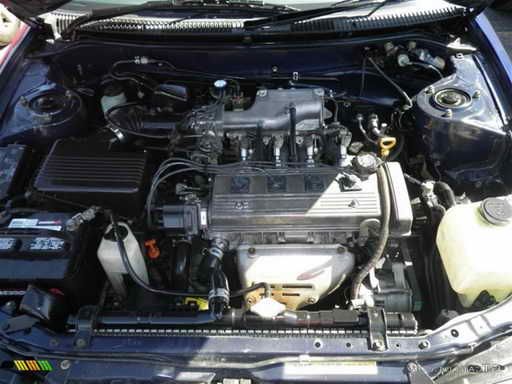
The 2010 Toyota Corolla is renowned for its reliability and fuel efficiency, and a key contributor to this reputation is its 1.8-liter 4-cylinder engine. This engine, often referred to as the 1ZZ-FE's successor, is a workhorse that prioritizes smooth operation and longevity. While it might not be the most powerful engine on the market, understanding its inner workings can help owners and enthusiasts appreciate its design and maintain it properly.
Engine Basics: What's Under the Hood?
At its core, the 2010 Corolla's engine is a 1.8-liter (1798cc) inline-4 cylinder engine. "Inline-4" simply means the four cylinders are arranged in a straight line. This is a common configuration for smaller engines, offering a good balance between compactness and power delivery. Think of other popular cars that use inline-4 engines, such as the Honda Civic, Mazda3, or even entry-level BMWs like the 318i. The engine utilizes a 16-valve, dual overhead camshaft (DOHC) design. Let's break that down:
- 16-Valve: Each cylinder has four valves – two for intake (letting air and fuel in) and two for exhaust (letting the burned gases out). More valves generally allow for better airflow, leading to improved engine efficiency and power. Imagine it like having four doors to enter and exit a room instead of just two – things move much more smoothly.
- DOHC (Dual Overhead Camshaft): Instead of a single camshaft operating all the valves, this engine has two. One camshaft controls the intake valves, and the other controls the exhaust valves. This allows for more precise control over valve timing, contributing to better performance and fuel economy. Some older engines, like those found in classic muscle cars, used a single camshaft design (SOHC).
The engine block itself is typically made from cast iron, providing strength and durability, while the cylinder head is often aluminum to save weight and improve heat dissipation. This combination strikes a good balance between cost, weight, and durability.
Variable Valve Timing: VVT-i Explained
One of the key technologies in this engine is VVT-i (Variable Valve Timing with intelligence). This system dynamically adjusts the timing of the intake valves based on engine speed and load. Imagine a musician adjusting the tempo of a song based on the mood – VVT-i does something similar with the engine's valves.
Here's how it works in simple terms: at low engine speeds, VVT-i might retard the intake valve timing to improve fuel economy and reduce emissions. At higher engine speeds, it might advance the intake valve timing to increase power output. This allows the engine to optimize its performance across a wide range of driving conditions.
Think of it like this: On a bicycle, using a lower gear makes it easier to pedal uphill, while using a higher gear allows you to go faster on flat ground. VVT-i acts like an automatic gear shifter for your engine's valves, optimizing their operation for the situation.
The 2010 Corolla's VVT-i system is primarily focused on the intake camshaft. While more advanced systems, like Toyota's Dual VVT-i (found in some later models), adjust both intake and exhaust valves, the VVT-i system in the 2010 Corolla still provides a significant improvement in fuel efficiency and responsiveness compared to engines without any variable valve timing.
Fuel Injection and Engine Management
The 2010 Corolla engine utilizes sequential multi-port fuel injection (SMPI). This means that each cylinder has its own fuel injector that sprays fuel directly into the intake port, just outside the cylinder's intake valve. This ensures that each cylinder receives the correct amount of fuel at the precise moment, leading to better combustion and reduced emissions compared to older carburetor-based systems or even throttle body injection.
The entire engine is controlled by an Engine Control Unit (ECU), which is essentially a computer that monitors various sensors throughout the engine and adjusts parameters like fuel injection timing, ignition timing, and VVT-i operation. The ECU constantly monitors engine performance and makes adjustments to keep the engine running optimally. This is similar to how a modern smartphone manages its resources to ensure smooth operation and conserve battery life.
Reliability and Maintenance
The 2010 Corolla's 1.8-liter engine is known for its reliability, but like any engine, it requires regular maintenance. Here are some key things to keep in mind:
- Oil Changes: Regular oil changes are crucial for keeping the engine running smoothly. Use the recommended oil type and change it according to the manufacturer's schedule (typically every 5,000-7,500 miles). Think of oil as the engine's lifeblood – keeping it clean and fresh is essential.
- Spark Plugs: Spark plugs ignite the air-fuel mixture in the cylinders. Over time, they wear out and need to be replaced. Follow the manufacturer's recommendations for spark plug replacement intervals.
- Air Filter: The air filter prevents dirt and debris from entering the engine. A clogged air filter can reduce engine performance and fuel economy. Replace it regularly.
- Coolant: Maintaining the proper coolant level and mixture is essential for preventing overheating and corrosion.
- Timing Chain: The 2010 Corolla's engine utilizes a timing chain rather than a timing belt. Timing chains generally last longer than timing belts and often don't require replacement during the car's lifespan, but they should still be inspected for wear and tear if unusual noises are present.
Troubleshooting Common Issues
While generally reliable, the 2010 Corolla's engine can experience some common issues:
- Oil Consumption: Some 2010 Corollas have been known to experience oil consumption issues. Regularly checking the oil level is crucial, and using a slightly thicker oil grade (as per manufacturer recommendations if applicable) can sometimes help.
- VVT-i Problems: Issues with the VVT-i system can manifest as rough idling, poor fuel economy, or a check engine light. A mechanic can diagnose VVT-i problems using diagnostic tools.
- Oxygen Sensor Failure: Oxygen sensors monitor the exhaust gases and provide feedback to the ECU. Faulty oxygen sensors can lead to poor fuel economy and emissions problems.
Practical Takeaways
Here are some practical takeaways for owners and enthusiasts:
- Adhere to the Recommended Maintenance Schedule: Following the manufacturer's recommended maintenance schedule is the best way to ensure the longevity and reliability of your 2010 Corolla's engine.
- Monitor Oil Levels Regularly: Pay close attention to the oil level, especially if you notice any signs of oil consumption.
- Listen for Unusual Noises: Be attentive to any unusual noises coming from the engine, such as knocking, ticking, or hissing sounds. These could indicate potential problems.
- Use Quality Parts: When replacing parts, opt for quality components from reputable brands. This can help ensure proper performance and prevent future problems.
- Don't Ignore the Check Engine Light: If the check engine light comes on, have it diagnosed by a qualified mechanic as soon as possible. Ignoring it can lead to more serious problems.
By understanding the basics of the 2010 Toyota Corolla's 1.8-liter 4-cylinder engine and following these practical tips, you can keep your Corolla running smoothly for years to come.