
2014 Honda Crv Rear Differential Fluid Type
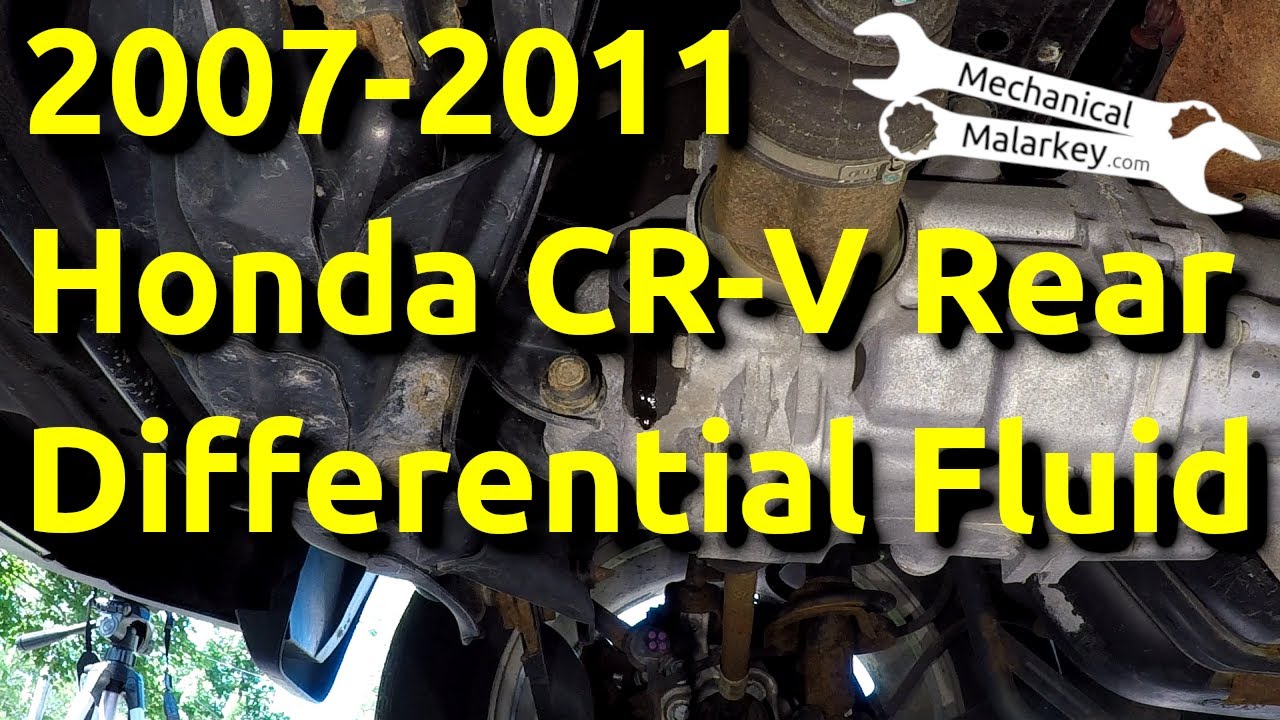
So, you're here because you're having some trouble figuring out the right rear differential fluid for your 2014 Honda CR-V. Maybe you're noticing some noise from the rear end, perhaps a shuddering feeling when turning, or maybe you're just being proactive with your maintenance. Whatever the reason, you've come to the right place. Let's get your CR-V running smoothly again!
The Problem: Choosing the Right Fluid for Your 2014 CR-V's Rear Differential
The biggest problem folks run into is simply using the wrong fluid. Modern differentials, especially those with clutches or limited-slip capabilities, are very sensitive to the specific fluid used. The rear differential in your 2014 Honda CR-V is no exception. Using the wrong fluid can lead to a whole host of issues, ranging from annoying noises to premature wear and even complete failure of the differential. This is because the incorrect fluid may not provide adequate lubrication, may damage the seals, or may not properly interact with the clutch packs if your CR-V has a Real Time AWD system. Ignoring this can lead to costly repairs down the line.
Another common problem is assuming that all "gear oil" is created equal. While they all serve a similar purpose – lubricating gears – the formulations and additives are vastly different. Some gear oils are designed for high-performance applications with extreme pressures, while others are designed for lighter-duty vehicles like the CR-V. Using the wrong viscosity or additive package can negatively impact performance and longevity.
Finally, neglecting regular maintenance is a significant problem. Differential fluid degrades over time, becoming contaminated with metal particles and moisture. This contaminated fluid loses its lubricating properties, accelerating wear on the gears and bearings. Regular fluid changes are crucial for maintaining the health of your rear differential.
The Solution: Using Honda Dual Pump Fluid II (DPF II)
The solution is actually quite straightforward: use Honda Dual Pump Fluid II (DPF II) in your 2014 CR-V's rear differential. This is the only fluid that Honda specifically recommends for this application. Don't be tempted to substitute it with a generic gear oil, even if the viscosity seems similar. Honda DPF II is specially formulated to provide the correct friction characteristics for the CR-V's Real Time AWD system and its clutch packs (if equipped). It ensures proper lubrication, prevents shuddering, and protects against wear.
Using DPF II ensures that the delicate clutch packs within the differential receive the correct amount of friction modification. This prevents slipping and shuddering, particularly when cornering or accelerating from a stop. It also helps to extend the lifespan of the differential components by providing optimal lubrication and cooling.
DIY Fluid Change: A Step-by-Step Guide
Changing the rear differential fluid on your 2014 CR-V is a relatively simple DIY job that can save you money. Here's what you'll need:
- Honda Dual Pump Fluid II (DPF II): Typically requires around 1.1 to 1.3 quarts. It's always a good idea to buy two quarts just in case.
- 24mm socket (for the fill and drain plugs)
- Ratchet or breaker bar
- Torque wrench
- Fluid pump or a funnel with a hose (to get the fluid into the fill hole)
- Drain pan
- Jack and jack stands
- Gloves and safety glasses
- Rags or paper towels for cleanup
Here's the process:
- Safety First: Park your CR-V on a level surface, engage the parking brake, and chock the rear wheels.
- Raise the Vehicle: Use a jack to lift the rear of the vehicle and securely support it with jack stands.
- Locate the Drain and Fill Plugs: The drain and fill plugs are typically located on the rear differential housing. The fill plug is usually higher up than the drain plug.
- Remove the Fill Plug FIRST: This is crucial! If you can't remove the fill plug, you won't be able to refill the differential after draining it.
- Remove the Drain Plug: Place the drain pan under the drain plug and carefully remove the plug, allowing the old fluid to drain completely.
- Clean and Inspect the Drain Plug: Clean any debris from the drain plug and inspect the magnet for excessive metal shavings. A small amount of fine metallic sludge is normal, but large chunks indicate a more serious problem.
- Reinstall the Drain Plug: Tighten the drain plug to the manufacturer's specified torque (typically around 35 lb-ft, but always confirm the correct torque specification in your owner's manual or a reliable repair manual).
- Fill with New Fluid: Using a fluid pump or funnel, carefully fill the differential with Honda Dual Pump Fluid II until it starts to trickle out of the fill hole.
- Reinstall the Fill Plug: Tighten the fill plug to the manufacturer's specified torque (typically around 35 lb-ft).
- Clean Up: Clean any spilled fluid and dispose of the old fluid properly.
- Lower the Vehicle: Carefully lower the vehicle back to the ground.
- Test Drive: Take the vehicle for a short test drive to ensure that the differential is operating smoothly and quietly.
When to Seek Professional Help
While changing the rear differential fluid is a relatively straightforward DIY task, there are certain situations where it's best to seek professional help from a qualified mechanic:
- If you're not comfortable working on your vehicle or lack the necessary tools.
- If you're unsure about any of the steps involved in the process.
- If you notice excessive metal shavings in the old fluid, this could indicate a more serious problem with the differential.
- If you're experiencing unusual noises or vibrations from the rear end of your vehicle, even after changing the fluid.
- If the drain or fill plugs are seized or stripped, attempting to force them can damage the differential housing.
Approximate Repair Costs
If you decide to take your 2014 CR-V to a mechanic for a rear differential fluid change, the cost will typically range from $80 to $150. This includes the cost of the fluid (usually around $20-$40) and labor (typically around 0.5 to 1 hour). If there are any other issues with the differential that need to be addressed, such as leaking seals or worn bearings, the cost will be significantly higher.
Ignoring a shuddering or noisy rear differential can lead to complete failure, resulting in repair costs ranging from $1,500 to $3,000 for a replacement or rebuild.
Preventative Maintenance: Staying Ahead of Problems
To keep your 2014 Honda CR-V's rear differential in top condition, follow these preventative maintenance tips:
- Change the rear differential fluid every 30,000 miles or 2 years, whichever comes first. This is especially important if you frequently drive in severe conditions, such as towing, off-roading, or stop-and-go traffic. Check your owner's manual for specific recommendations.
- Inspect the differential housing for leaks regularly. Leaks can lead to fluid loss and damage to the differential components.
- Listen for unusual noises from the rear end of your vehicle. Early detection of problems can prevent more serious damage.
- Use only Honda Dual Pump Fluid II (DPF II) in your rear differential. Do not substitute with a generic gear oil.
By following these tips and using the correct fluid, you can ensure that your 2014 Honda CR-V's rear differential operates smoothly and reliably for years to come. Remember, a little preventative maintenance can go a long way in avoiding costly repairs down the road!
If you have any further questions or concerns about your 2014 Honda CR-V's rear differential, don't hesitate to consult with a qualified mechanic. They can provide expert advice and ensure that your vehicle is properly maintained.