
2014 Jeep Cherokee Transmission Fluid Level
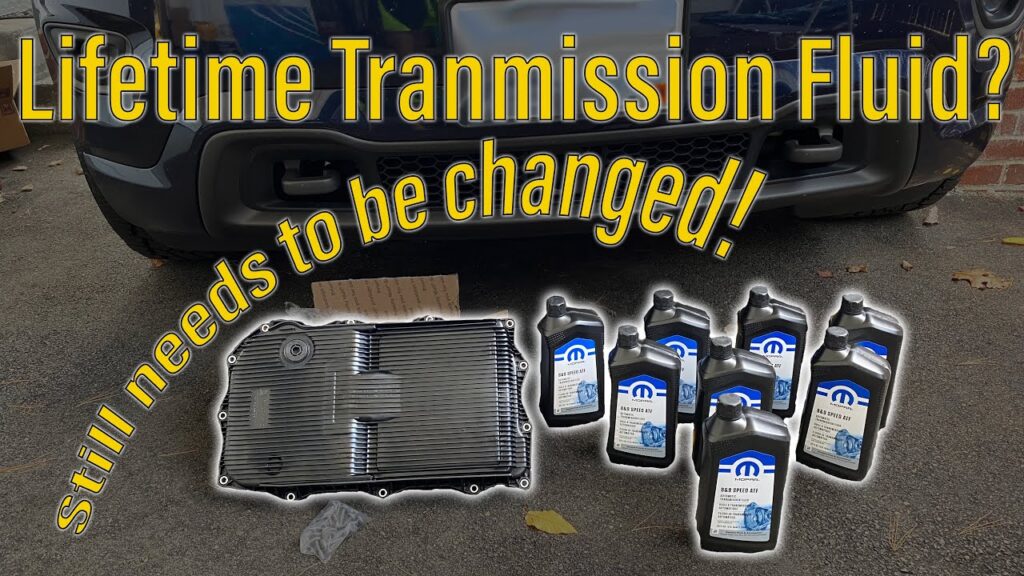
The 2014 Jeep Cherokee, particularly models equipped with the 948TE 9-speed automatic transmission, has gained notoriety for transmission-related issues. While software updates have addressed some problems, maintaining proper transmission fluid level remains crucial for ensuring optimal performance and longevity. Checking and adjusting the fluid level on this specific transmission is, however, not a task for the faint of heart and deviates significantly from traditional methods.
Why the 2014 Cherokee Transmission Fluid Level Matters
The 948TE transmission is a complex piece of engineering. Precise fluid levels are essential for proper lubrication, cooling, and hydraulic pressure regulation. Low fluid levels can lead to overheating, slipping gears, and premature wear of internal components such as clutches and solenoids. Conversely, overfilling can cause aeration of the fluid, reducing its effectiveness and potentially damaging seals. In either scenario, the results can be costly and frustrating, potentially requiring a full transmission rebuild or replacement. The complexity also means that fluid level is highly sensitive to temperature.
The Tricky Part: No Dipstick
Unlike older vehicles, the 2014 Jeep Cherokee (with the 9-speed) lacks a traditional transmission fluid dipstick. This means you can't simply pop the hood and check the level yourself with a rag. Instead, a specific procedure, requiring specialized tools and a certain level of technical skill, must be followed. This is a deliberate design choice by Chrysler (now Stellantis) aimed at preventing contamination and ensuring consistent fluid levels, but it also makes DIY maintenance considerably more challenging.
The Official Procedure: A Step-by-Step Guide
The manufacturer-recommended procedure involves the following steps. Note: This procedure should only be attempted by experienced mechanics or individuals with a thorough understanding of automotive systems. Incorrect procedures can lead to transmission damage. Always consult your vehicle's service manual for the most accurate and up-to-date instructions.
- Preparation: Ensure the vehicle is parked on a level surface and the engine is off. Gather necessary tools, including a scan tool capable of reading transmission temperature, a fluid pump, a suitable container to catch excess fluid, and the correct transmission fluid (typically a low-viscosity fluid meeting Mopar specification 68218925AA or equivalent). Personal protective equipment like gloves and eye protection are also essential.
- Accessing the Fill Plug: Locate the transmission fill plug. This is typically found on the side of the transmission case. You may need to remove a splash shield or other components for access.
- Warming the Transmission: Connect the scan tool to the vehicle's OBD-II port and start the engine. Monitor the transmission fluid temperature. The fluid needs to be within a specific temperature range, usually between 30°C and 50°C (86°F and 122°F). The exact temperature range can be found in the service manual.
- Level Check: Once the fluid is within the specified temperature range, remove the fill plug. With the engine running, insert a fluid pump into the fill hole and add fluid until it starts to trickle out. This indicates that the fluid level is correct.
- Final Steps: Allow the excess fluid to drain completely, then reinstall the fill plug and torque it to the manufacturer's specification. Turn off the engine, disconnect the scan tool, and replace any removed components.
Common Mistakes to Avoid
Several common mistakes can lead to inaccurate fluid level readings and potential transmission damage:
- Ignoring the Temperature: Checking the fluid level outside the specified temperature range will result in an inaccurate reading. This is the most frequent error.
- Using the Wrong Fluid: Using the incorrect transmission fluid can significantly impact performance and longevity. Always use the fluid specified by Mopar.
- Over-Torquing the Fill Plug: Over-tightening the fill plug can damage the threads in the transmission case. Use a torque wrench and the correct specification.
- Skipping Diagnostic Scan: Not using a scan tool can result in a “best guess” attempt at reading the temperature. This can result in an innacurate fluid level.
When to Seek Professional Help
If you are uncomfortable with any aspect of the procedure, or if you lack the necessary tools or experience, it is best to seek professional help from a qualified mechanic. Transmission repairs can be expensive, and attempting a DIY repair without proper knowledge can lead to even greater costs. A certified technician will have the necessary tools, knowledge, and experience to accurately check and adjust the transmission fluid level, ensuring the long-term health and performance of your 2014 Jeep Cherokee's 948TE transmission.