
2014 Jeep Grand Cherokee Oil Pressure Range
The 2014 Jeep Grand Cherokee, a staple of the SUV market, offers a blend of on-road comfort and off-road capability. A crucial aspect of its reliable operation, like any internal combustion engine, is maintaining adequate oil pressure. Understanding the normal oil pressure range for this vehicle, and the factors that influence it, is essential for both preventative maintenance and diagnosing potential problems. This article delves into the oil pressure dynamics of the 2014 Grand Cherokee, offering an analytical and educational look under the hood.
Understanding Oil Pressure Basics
Before diving into the specifics of the 2014 Grand Cherokee, it’s important to grasp the fundamental role of oil pressure in an engine. Engine oil serves several vital functions: lubrication, cooling, cleaning, and sealing. To perform these functions effectively, the oil must be delivered to critical engine components (bearings, pistons, camshaft, etc.) at a sufficient pressure. This pressure ensures a consistent and adequate film of oil exists between moving parts, minimizing friction and wear.
Oil pressure is generated by the oil pump, a positive displacement pump driven directly or indirectly by the engine's crankshaft. As the engine spins, the pump draws oil from the oil pan and forces it through the oil filter and into the main oil galleries. From there, the oil is distributed to various engine components. The oil pressure sensor, typically located on the engine block, monitors the oil pressure and sends a signal to the vehicle's computer (PCM) and/or dashboard gauge.
2014 Jeep Grand Cherokee: Expected Oil Pressure Range
The acceptable oil pressure range for a 2014 Jeep Grand Cherokee varies depending on the engine option. These vehicles were offered with several engine choices, including:
- 3.6L Pentastar V6
- 5.7L Hemi V8
- 3.0L EcoDiesel V6
While specific manufacturer specifications should always be consulted (refer to the vehicle's service manual), a general guideline for acceptable oil pressure can be provided. It's important to note that these are typical ranges and may vary slightly based on engine condition, oil viscosity, and ambient temperature.
3.6L Pentastar V6:
For the 3.6L Pentastar V6 engine, expect to see the following:
- Idle (warm engine): Typically, 25-80 psi is considered within a normal range. Some sources may cite slightly lower figures, particularly at very low idle speeds and high engine temperatures. However, it is important to refer to the specific service manual for the definitive range.
- Highway Speed (2000-3000 RPM): Under normal driving conditions and with a warm engine, the oil pressure should be in the range of 40-80 psi.
5.7L Hemi V8:
The 5.7L Hemi V8 generally exhibits similar oil pressure characteristics to the Pentastar V6:
- Idle (warm engine): Again, the range of 25-80 psi is a good approximation. A value at the lower end of this range at hot idle is not necessarily cause for alarm, unless accompanied by other symptoms like engine noise.
- Highway Speed (2000-3000 RPM): A typical range is approximately 40-80 psi, depending on load and temperature.
3.0L EcoDiesel V6:
The 3.0L EcoDiesel V6 may exhibit slightly different oil pressure characteristics due to the different engine design and the presence of a turbocharger. Precise data is crucial, and consulting the service manual is necessary. Generally, the range is comparable to the gasoline engines, but variations may occur due to the specific oil pump and lubrication system design. Because of the complexity and higher operating pressures possible in diesel engines, deviations from expected ranges should be investigated immediately.
Important Considerations: The oil pressure will always be higher when the engine is cold. This is because the oil is thicker (more viscous) at lower temperatures, leading to increased resistance within the oil passages. As the engine warms up, the oil thins out, and the pressure decreases. Therefore, a higher reading on a cold start is normal and expected.
Factors Affecting Oil Pressure
Several factors can influence the oil pressure reading in your 2014 Jeep Grand Cherokee:
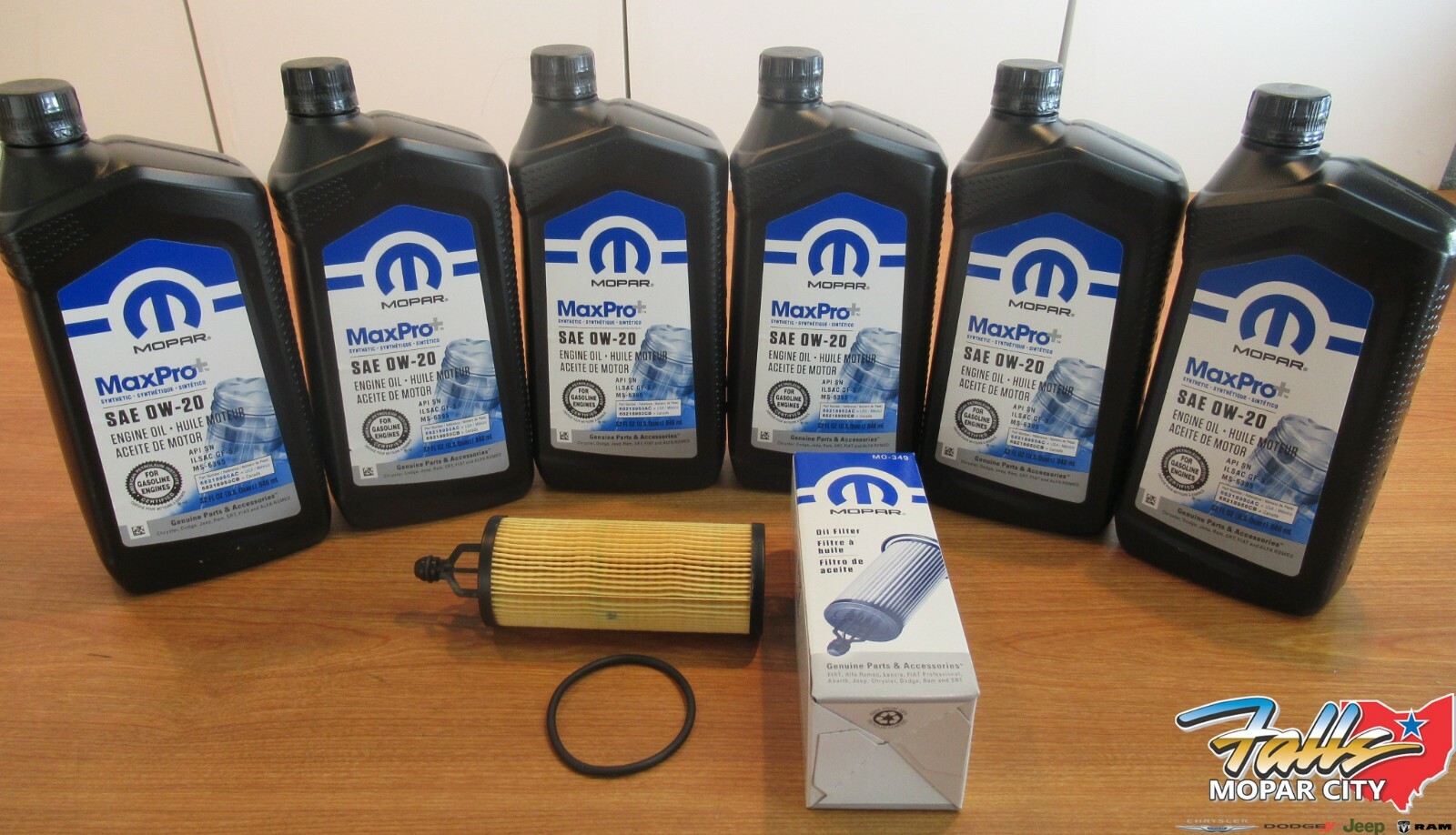
- Oil Viscosity: Using the wrong oil viscosity is a common cause of oil pressure problems. The 2014 Grand Cherokee requires specific oil viscosities, typically 5W-20 or 5W-30, depending on the engine and operating conditions. Consult the owner's manual or service manual for the recommended oil viscosity. Using a thicker oil than recommended will increase oil pressure, especially when cold, while a thinner oil will decrease it, especially when hot.
- Engine Temperature: As mentioned earlier, oil pressure decreases as engine temperature increases due to the reduced viscosity of the oil.
- Engine Wear: As an engine ages, bearings wear down, increasing the clearances between moving parts. This increased clearance allows more oil to flow out of the system, reducing oil pressure. Excessive wear is a major concern.
- Oil Pump Condition: The oil pump can wear over time, reducing its pumping capacity and, consequently, oil pressure. A failing oil pump is a serious problem.
- Oil Filter Clogging: A clogged oil filter restricts oil flow, potentially increasing oil pressure before the filter and decreasing it after. Most modern filters have bypass valves to prevent complete oil starvation in cases of severe clogging.
- Oil Level: A low oil level in the oil pan can cause the oil pump to suck air, leading to erratic and fluctuating oil pressure readings. Always maintain the correct oil level.
- Oil Pressure Sensor Malfunction: The oil pressure sensor itself can fail, providing inaccurate readings to the vehicle's computer and gauge.
- Wiring Issues: Damaged or corroded wiring to the oil pressure sensor can also cause inaccurate readings.
Troubleshooting Oil Pressure Problems
If you observe oil pressure readings outside the expected range, or if the oil pressure warning light illuminates, it's crucial to investigate the issue promptly. Here are some steps you can take:
- Check the Oil Level: This is the simplest and often overlooked step. Ensure the oil level is within the recommended range on the dipstick.
- Inspect the Oil: Check the oil for contaminants, such as coolant or fuel. Milky-looking oil indicates coolant contamination, while a strong fuel smell suggests fuel dilution.
- Verify the Oil Viscosity: Ensure you are using the correct oil viscosity recommended for your engine and climate.
- Check the Oil Filter: Replace the oil filter with a high-quality filter.
- Monitor the Oil Pressure with a Mechanical Gauge: To rule out a faulty oil pressure sensor, temporarily install a mechanical oil pressure gauge directly onto the engine. Compare the readings with the vehicle's gauge.
- Inspect the Oil Pressure Sensor and Wiring: Check the sensor for damage and inspect the wiring for corrosion or breaks.
- Consider an Oil Pressure Test: A mechanic can perform a comprehensive oil pressure test to assess the oil pump's performance and identify potential internal engine problems.
Warning: Low oil pressure can cause severe engine damage. If you suspect an oil pressure problem, avoid driving the vehicle until the issue is resolved. Consult a qualified mechanic for diagnosis and repair.
Conclusion
Maintaining proper oil pressure is critical for the longevity and performance of your 2014 Jeep Grand Cherokee. By understanding the expected oil pressure range, the factors that affect it, and the steps to troubleshoot potential problems, you can ensure your engine receives the lubrication it needs. Regular maintenance, including oil and filter changes, along with careful observation of oil pressure readings, are essential for keeping your Grand Cherokee running smoothly for years to come. Always consult the official Jeep service manual for the most accurate and up-to-date specifications for your specific engine.