
2015 Ford Escape Transmission Fluid Change
The 2015 Ford Escape, a popular compact SUV, offers a blend of practicality, fuel efficiency, and technology. Maintaining its 6F35 automatic transmission is crucial for ensuring its longevity and optimal performance. A vital part of this maintenance is the periodic transmission fluid change. This article dives deep into the process, best practices, and considerations for changing the transmission fluid on a 2015 Ford Escape.
Understanding the 2015 Ford Escape Transmission
The 2015 Ford Escape primarily utilizes the 6F35 six-speed automatic transmission. This transmission, co-developed with GM, is known for its compact design and relatively smooth shifting. It's found in a wide range of Ford vehicles, but the specific fluid requirements and service intervals are crucial to understand for the Escape. Ignoring these can lead to premature wear, slipping, and even complete transmission failure.
Why Change the Transmission Fluid?
Transmission fluid serves several critical functions: lubricating internal components, cooling the transmission, transmitting hydraulic pressure to operate the clutches and bands, and preventing corrosion. Over time, this fluid degrades due to heat, friction, and contamination from metal particles. Degraded fluid loses its lubricating properties, leading to increased wear and tear on the transmission's delicate components. A regular transmission fluid change removes this contaminated fluid, replacing it with fresh fluid to ensure proper lubrication and cooling.
Recommended Fluid and Service Intervals
For the 2015 Ford Escape with the 6F35 transmission, the recommended fluid is typically a Mercon LV compatible fluid. Mercon LV is a synthetic blend fluid designed specifically for Ford's automatic transmissions. Using the incorrect fluid can cause serious damage. Always double-check your owner's manual or consult with a trusted mechanic to confirm the correct fluid specification for your specific vehicle. The recommended service interval varies depending on driving conditions. Ford typically recommends changing the fluid every 30,000 to 60,000 miles for severe driving conditions (frequent towing, stop-and-go traffic, extreme temperatures) and every 60,000 to 100,000 miles for normal driving conditions. However, many mechanics advise erring on the side of caution and changing the fluid more frequently, especially if you notice any signs of transmission problems like slipping or rough shifting.
The Transmission Fluid Change Process
There are two primary methods for changing the transmission fluid: a drain and fill and a complete fluid exchange. A drain and fill involves removing the drain plug from the transmission pan, allowing the old fluid to drain out, and then replacing the plug and refilling the transmission with fresh fluid. This method only replaces a portion of the fluid (typically around 40-50%), leaving some of the old fluid in the torque converter and valve body. A complete fluid exchange uses a specialized machine to circulate new fluid through the transmission while simultaneously removing the old fluid. This method replaces almost all of the fluid, providing a more thorough cleaning and lubrication. While a complete fluid exchange is more effective, it's also more expensive and requires specialized equipment. A drain and fill is often sufficient for regular maintenance.
Steps for a Drain and Fill:
- Warm up the engine slightly.
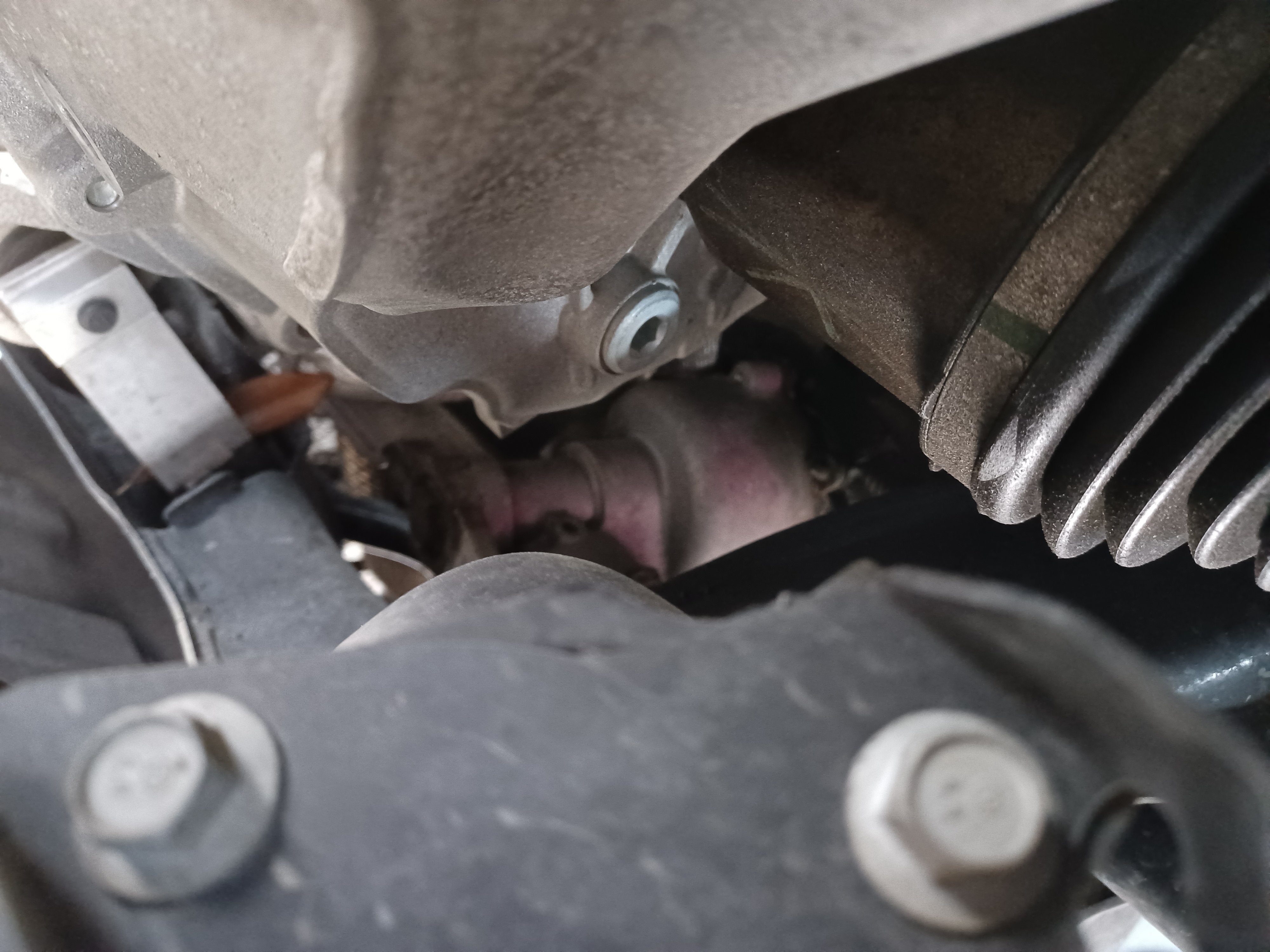
- Locate the transmission drain plug (usually on the bottom of the transmission pan).
- Place a drain pan underneath the drain plug.
- Remove the drain plug and allow the old fluid to drain completely.
- Inspect the drain plug for any metal shavings, which could indicate internal transmission wear.
- Clean the drain plug and replace the sealing washer (if applicable).
- Reinstall the drain plug and torque it to the specified value.
- Locate the transmission fill port (usually under the hood).
- Using a funnel, add the correct amount of Mercon LV fluid.
- Check the fluid level using the transmission dipstick (if equipped) or by following the specific procedure for your model.
- Start the engine and let it idle for a few minutes.
- Shift through all the gears (P, R, N, D) to circulate the fluid.
- Recheck the fluid level and add more fluid if necessary.
Things to Consider
- Safety First: Always wear safety glasses and gloves when working with transmission fluid. Transmission fluid can be hot and potentially harmful.
- Proper Disposal: Dispose of the used transmission fluid responsibly at a recycling center or auto parts store.
- Filter Replacement: Consider replacing the transmission filter during a fluid change, especially if the vehicle has high mileage or a history of heavy use. The 2015 Escape 6F35 usually has an internal filter requiring removal of the transmission pan.
- Professional Assistance: If you are not comfortable performing a transmission fluid change yourself, it is best to take your vehicle to a qualified mechanic.
Potential Problems After a Transmission Fluid Change
While a transmission fluid change is generally beneficial, some potential problems can arise afterward. These include:
- Slipping: If the transmission was already experiencing problems, a fluid change might exacerbate them. The new fluid's detergents can loosen accumulated deposits, potentially causing slipping.
- Leaks: Disturbing old seals during the fluid change can sometimes lead to leaks.
- Incorrect Fluid Level: Overfilling or underfilling the transmission can cause shifting problems.
Regular transmission fluid changes are a key element in extending the life of your 2015 Ford Escape's 6F35 transmission. By understanding the fluid requirements, service intervals, and proper procedures, you can help ensure smooth shifting and reliable performance for years to come.