
2016 Chevrolet Impala Engine 3.6 L V6 Specs
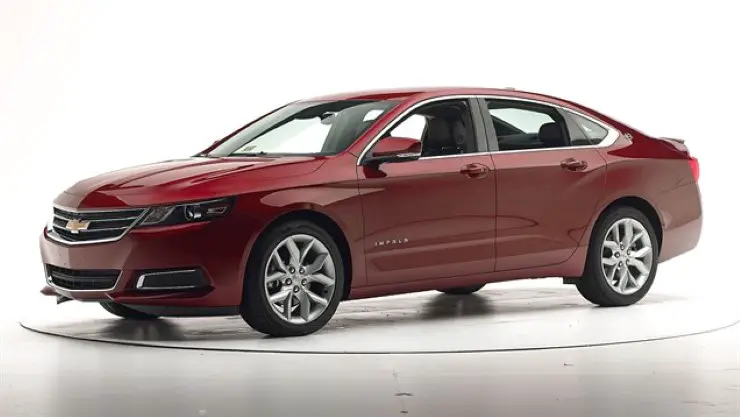
The 2016 Chevrolet Impala, a full-size sedan known for its comfortable ride and spacious interior, offered a compelling engine option: the 3.6L V6 (LFX). This engine wasn't just about displacement; it was a carefully engineered powerplant designed to deliver a balance of performance and fuel efficiency. For automotive enthusiasts, mechanics, and those considering owning or working on a 2016 Impala, understanding the specifics of this engine is crucial.
Engine Overview and Specifications
The LFX 3.6L V6 powering the 2016 Impala belongs to GM's High Feature (HF) V6 engine family. It's a naturally aspirated (meaning it doesn't use a turbocharger or supercharger) gasoline engine designed for transverse mounting in front-wheel-drive vehicles. Key specifications include:
- Engine Code: LFX
- Displacement: 3.6 liters (3564 cc / 217.5 cu in)
- Cylinder Block Material: Aluminum
- Cylinder Head Material: Aluminum
- Aspiration: Naturally Aspirated
- Valvetrain: DOHC (Dual Overhead Camshaft), 4 valves per cylinder, 24 valves total.
- Fuel Delivery: Direct Injection
- Compression Ratio: 11.3:1
- Horsepower: 305 hp (227 kW) @ 6800 rpm
- Torque: 264 lb-ft (358 Nm) @ 5200 rpm
- Recommended Fuel: Regular Unleaded (87 octane)
The aluminum block and heads contribute to weight reduction, enhancing both fuel economy and handling. The DOHC configuration allows for greater control over valve timing and lift, optimizing engine performance across the RPM range. The direct injection system sprays fuel directly into the combustion chamber, resulting in more efficient combustion and increased power output compared to port fuel injection systems.
Key Technologies and Features
Several technologies are integral to the LFX engine’s performance and efficiency:
- Variable Valve Timing (VVT): Both intake and exhaust camshafts feature VVT. This allows the engine to adjust the timing of the valves based on engine speed and load, optimizing performance and fuel economy. For example, at low RPM, VVT can be used to improve low-end torque, while at high RPM, it can be used to increase horsepower.
- Direct Injection (DI): As mentioned earlier, DI delivers fuel directly into the combustion chamber. This provides more precise fuel metering, reduces knocking, and allows for a higher compression ratio, contributing to increased power and efficiency.
- Electronic Throttle Control (ETC): ETC replaces the traditional mechanical linkage between the accelerator pedal and the throttle plate with an electronic system. This allows the engine control unit (ECU) to precisely control the throttle opening based on driver input and other factors, optimizing performance and fuel economy.
- Oil Life Monitoring System: The 2016 Impala uses an oil life monitoring system that analyzes driving habits and conditions to determine when an oil change is necessary. This system helps prevent premature oil changes and ensures that the engine is properly lubricated.
Real-World Performance and Fuel Economy
The 3.6L V6 provided the 2016 Impala with ample power for confident acceleration and comfortable highway cruising. Its 305 horsepower allows for brisk acceleration, making merging and passing maneuvers safe and effortless. While performance is important, fuel economy is also a key consideration for many buyers. The EPA estimated fuel economy for the 2016 Impala with the 3.6L V6 is approximately 19 mpg city and 29 mpg highway. Actual fuel economy may vary depending on driving conditions and habits.
Maintenance and Reliability Considerations
The LFX engine is generally considered a reliable powerplant, but like any engine, proper maintenance is crucial for longevity. Key maintenance items include:
- Regular Oil Changes: Following the recommended oil change intervals (typically based on the oil life monitoring system) is essential for maintaining engine health. Using the correct oil viscosity is also critical.
- Coolant Flushes: Regularly flushing the cooling system helps prevent corrosion and overheating.
- Spark Plug Replacement: Spark plugs should be replaced according to the manufacturer's recommendations.
- Air Filter Replacement: A clean air filter ensures proper airflow to the engine, optimizing performance and fuel economy.
Common issues that have been reported with the LFX engine include timing chain wear (although this is more common on earlier versions of the engine), carbon buildup on intake valves due to the direct injection system, and occasional issues with the high-pressure fuel pump. Mechanics should be aware of these potential issues when diagnosing engine problems.
Conclusion
The 2016 Chevrolet Impala's 3.6L V6 (LFX) offered a solid combination of performance, efficiency, and reliability. Its advanced features, such as direct injection and variable valve timing, contribute to its impressive power output and respectable fuel economy. Understanding the engine's specifications, technologies, and maintenance requirements is key to ensuring its longevity and optimal performance. For automotive enthusiasts, mechanics, and prospective owners, this overview provides a valuable insight into a well-engineered engine that powered a popular full-size sedan.