
2016 Jeep Grand Cherokee Limited Tire Size
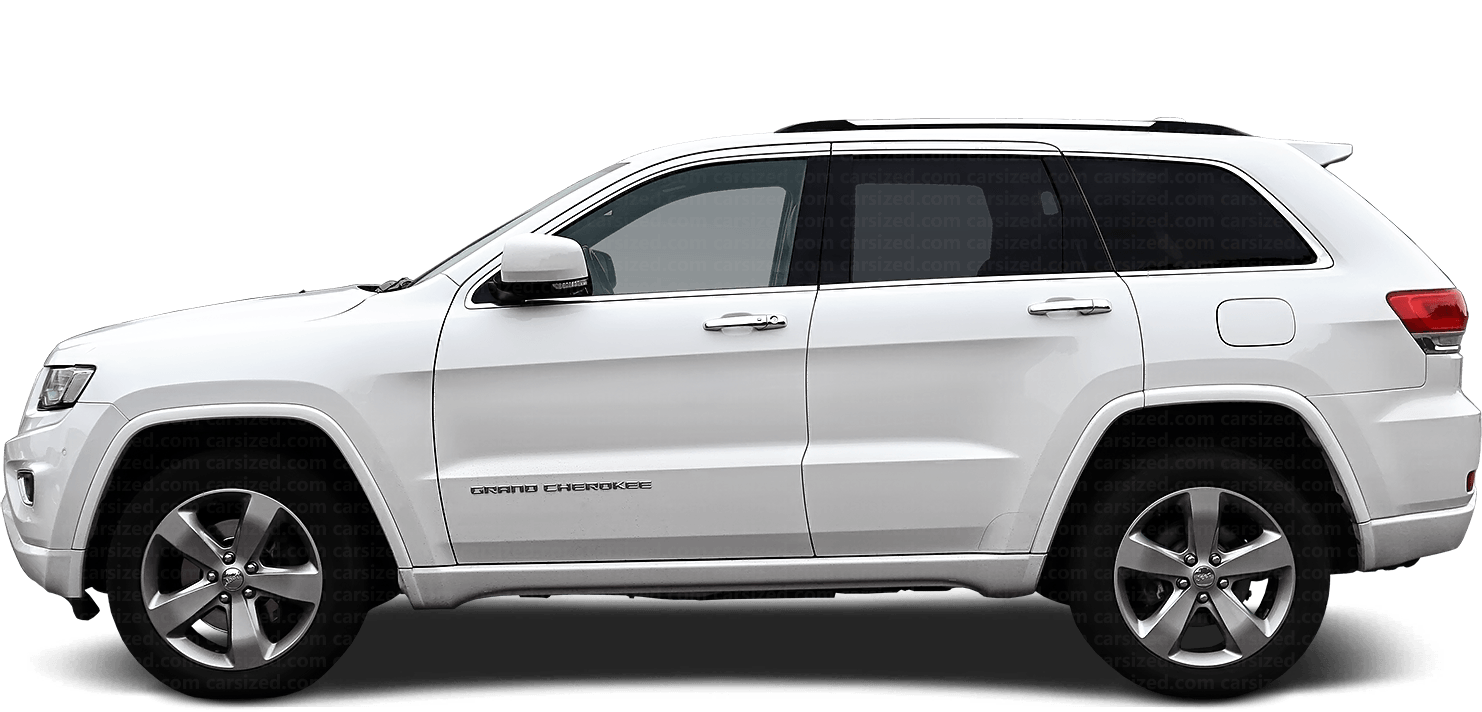
So, you're having some tire troubles with your 2016 Jeep Grand Cherokee Limited? You're not alone. Tire size issues on these vehicles can range from simply wanting a different look to dealing with rubbing, speedometer inaccuracies, or even failing inspections. Let's break down the common problems and their solutions in a straightforward, friendly way.
Understanding the Stock Tire Size
First, it's crucial to know what the original equipment (OE) tire size is for your Grand Cherokee Limited. Typically, the 2016 Grand Cherokee Limited comes with 265/60R18 tires. This means:
- 265: The tire's section width in millimeters.
- 60: The aspect ratio (the height of the sidewall as a percentage of the section width).
- R18: The tire's inner diameter, fitting an 18-inch wheel.
However, it's always a good idea to check the sticker on your driver's side doorjamb or your owner's manual to confirm. Tire sizes can sometimes vary based on specific packages or options your Grand Cherokee came with.
Common Problems and Solutions
1. Wanting a Different Tire Size (Upsizing/Downsizing)
Many owners want to change their tire size for aesthetic reasons (a more aggressive look) or to improve off-road performance. Upsizing means going to a larger diameter tire, while downsizing means going smaller. It's critical to stay within reasonable limits.
Problem: Rubbing, especially at full steering lock or when the suspension is compressed. This happens when the new tires are too large and contact the wheel well, suspension components, or frame.
Solution:
- Careful Measurement and Research: Before buying anything, meticulously measure the clearance around your existing tires at full steering lock and with the suspension compressed (you might need a helper to push down on the vehicle). Research online forums and consult with tire professionals to see what sizes other owners have successfully used without rubbing on a 2016 Grand Cherokee Limited.
- Wheel Spacers: These push the wheels further out, creating more clearance between the tire and the suspension. However, use them with caution. High-quality, hub-centric spacers are essential for safety. Expect to pay around $100-$200 for a set of four quality spacers. Installation is fairly simple with basic tools (socket set, torque wrench), but proper torqueing is crucial.
- Lift Kit/Leveling Kit: A lift kit raises the entire vehicle, creating more room for larger tires. A leveling kit raises the front to match the rear, which can also help with tire clearance. This is the most involved and expensive option. Expect to pay $300-$800+ for the kit and potentially another $300-$800 for professional installation depending on the kit type and complexity.
- Consider a Smaller Increase: Sometimes, a very slight increase in tire size can be achieved without any modifications. For example, a 275/60R18 might fit without rubbing, but 285/60R18 could cause issues.
2. Speedometer and Odometer Inaccuracies
Problem: Changing tire size affects the rolling circumference of the tire, which directly impacts your speedometer and odometer readings. Larger tires will result in a lower speedometer reading than your actual speed, while smaller tires will cause it to read higher.
Solution:
- Speedometer Calibration: Many modern vehicles can have their speedometer recalibrated electronically. Your local Jeep dealership or a qualified mechanic with the appropriate diagnostic tools can typically do this. The cost can range from $100-$300.
- Aftermarket Calibrators: Devices like the AEV ProCal or similar programmers allow you to adjust the speedometer calibration yourself. These devices plug into your OBD-II port and let you input the new tire size. These devices can range in price from $200-$400.
- Accept the Inaccuracy: If the change in tire size is small, the speedometer error might be negligible and acceptable to you. Use a GPS app on your phone to compare your actual speed with your speedometer reading and determine if the difference is something you can live with.
3. Tire Inspection Failures
Problem: Some states have strict regulations regarding tire size and fender coverage. If your tires stick out beyond the fender flares, you might fail inspection.
Solution:
- Fender Flares: Installing aftermarket fender flares can provide additional coverage and help you pass inspection. The cost for a set of flares can vary widely, from $200-$600+, depending on the style and material. Installation typically involves drilling and bolting the flares onto the fenders.
- Choose a Legal Tire Size: The simplest solution is to choose a tire size that complies with your local regulations. Check your state's Department of Motor Vehicles (DMV) website or consult with a local tire shop to understand the rules.
- Return to Stock Size: If you're facing repeated inspection failures, the easiest solution is to revert to the factory-recommended tire size.
4. Premature Wear and Tear
Problem: Using the wrong tire size or incorrect tire pressure can lead to uneven or premature tire wear.
Solution:
- Correct Tire Pressure: Always inflate your tires to the recommended pressure, which can be found on the sticker on the driver's side doorjamb. Check your tire pressure regularly with a reliable tire pressure gauge.
- Regular Tire Rotations: Rotate your tires every 5,000-7,000 miles to ensure even wear. This is a simple task that can be done at home with a jack, lug wrench, and torque wrench, or you can have a tire shop do it for around $20-$40.
- Wheel Alignment: An improperly aligned suspension can cause uneven tire wear. Get your wheels aligned periodically, especially after changing tire sizes or hitting a large pothole. A wheel alignment typically costs around $80-$150.
Tools You Might Need
Here's a list of tools you might need for some of these solutions:
- Socket Set (metric)
- Torque Wrench
- Jack and Jack Stands
- Lug Wrench
- Tape Measure
- Tire Pressure Gauge
- Wheel Chocks
Important Considerations
- Load Rating: Make sure any replacement tires have a load rating equal to or greater than the original tires. This is crucial for safety.
- Speed Rating: Similarly, ensure the speed rating is appropriate for your vehicle.
- Consult Professionals: When in doubt, consult with a qualified tire professional or mechanic. They can provide expert advice and ensure the job is done correctly and safely.
- Read Reviews: Before purchasing any tires, read reviews from other owners to get an idea of their performance, longevity, and noise levels.
Changing tire sizes on your 2016 Jeep Grand Cherokee Limited can be a rewarding experience, but it's essential to do your research and understand the potential consequences. By following these tips and solutions, you can avoid common problems and enjoy your upgraded tires safely and responsibly. Remember, safety first!