
2016 Ram 1500 Power Steering Fluid Location
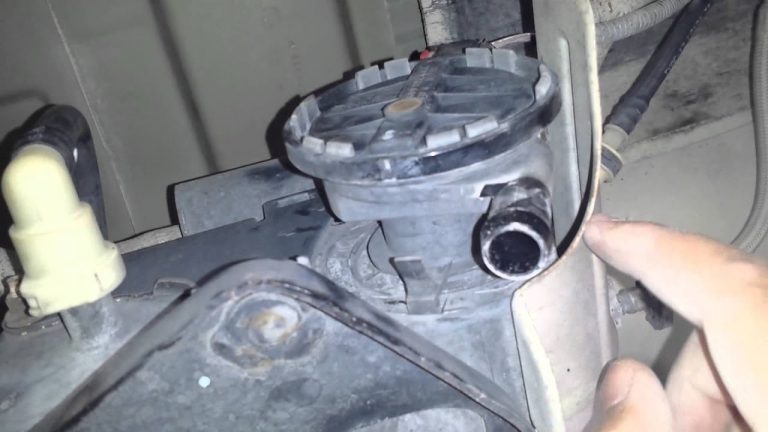
Maintaining your 2016 Ram 1500's power steering system is crucial for smooth handling and preventing costly repairs. One of the most basic, yet often overlooked, aspects of power steering maintenance is checking and topping off the power steering fluid. This article will guide you through the location, maintenance, troubleshooting, and common issues associated with your Ram 1500's power steering fluid.
Locating the Power Steering Fluid Reservoir
The power steering fluid reservoir on a 2016 Ram 1500 is typically located in the engine bay. While the exact placement can vary slightly depending on engine configuration (e.g., 3.6L Pentastar V6, 5.7L HEMI V8), it's generally found on the driver's side near the front of the engine compartment. Look for a translucent plastic reservoir with a cap usually marked with a power steering symbol (a steering wheel) or the words "Power Steering Fluid." The reservoir itself might be black or yellowed with age. If you are still having trouble finding it, consult your owner's manual – it will have a diagram showing the precise location.
Important Safety Tip: Always allow the engine to cool down before opening any fluid reservoirs under the hood to avoid burns.
Power Steering Fluid Maintenance
Regularly checking your power steering fluid level is essential. A dipstick is often integrated into the reservoir cap. Unscrew the cap, wipe the dipstick clean, re-insert it fully, and then remove it again to read the fluid level. The dipstick will have "MIN" and "MAX" or "COLD" and "HOT" markings to indicate the acceptable range. If the fluid level is below the "MIN" or "COLD" mark (when the engine is cold), you need to add fluid.
Fluid Type: Always use the correct type of power steering fluid specified in your owner's manual. Using the wrong fluid can damage the power steering pump and other components. Chrysler vehicles often require a specific power steering fluid formulation, so avoid using generic fluids. Check your manual or the cap on the reservoir for the correct specification (e.g., MOPAR power steering fluid).
Topping off the fluid is straightforward. Simply add fluid slowly until it reaches the appropriate level on the dipstick. Avoid overfilling, as this can also cause problems.
Beyond just topping off, regularly inspecting the condition of the fluid is crucial. Healthy power steering fluid is typically clear and light amber in color. If the fluid is dark, murky, or smells burnt, it indicates contamination or degradation. In such cases, a complete power steering fluid flush is recommended.
Fluid Flush: A power steering fluid flush involves draining the old fluid and replacing it with fresh fluid. This is a more involved process than simply topping off and might be best left to a qualified mechanic, unless you are comfortable with automotive maintenance.
Troubleshooting Power Steering Problems
Several symptoms can indicate power steering problems in your 2016 Ram 1500. Understanding these symptoms and their potential causes can help you diagnose and address issues promptly.
- Stiff Steering: This is perhaps the most common symptom. It can be caused by low power steering fluid, a failing power steering pump, a clogged power steering hose, or a worn steering rack. For example, in a similar issue on a Chevy Silverado, mechanics often find corroded fittings and leaky hoses.
- Whining Noise: A whining noise, especially when turning the steering wheel, often indicates a low power steering fluid level or a failing power steering pump. Air entering the system due to low fluid can cause the pump to cavitate, creating the noise.
- Jerky Steering: If the steering feels jerky or inconsistent, it could be due to air in the system, a failing power steering pump, or internal damage within the steering rack. Think of it like a Ford F-150 with a failing universal joint on the steering column; similar jerky sensations can be created.
- Leaking Power Steering Fluid: Obvious leaks under the vehicle, particularly near the front, can indicate a problem with power steering hoses, the pump, or the steering rack. Check for wet spots or drips. A common leak point is where the power steering hoses connect to the pump or steering rack.
Common Causes and Fixes
Let's break down some common power steering problems in the 2016 Ram 1500 and their potential solutions:
- Low Power Steering Fluid:
- Cause: Leaks in hoses, pump, or steering rack; natural fluid loss over time.
- Fix: Inspect for leaks and repair as needed. Top off fluid to the correct level. If fluid loss is rapid, a thorough inspection by a mechanic is crucial.
- Failing Power Steering Pump:
- Cause: Wear and tear, contamination of fluid, or running the pump dry due to low fluid.
- Fix: Replace the power steering pump. It's often recommended to also flush the power steering system when replacing the pump to remove any contaminants.
- Leaking Power Steering Hoses:
- Cause: Age, exposure to heat and chemicals, physical damage.
- Fix: Replace the leaking hoses. Ensure that you use hoses specifically designed for power steering applications.
- Steering Rack Issues:
- Cause: Internal wear and tear, damage from impacts, corrosion.
- Fix: In some cases, the steering rack can be rebuilt. However, it's often more cost-effective to replace the entire steering rack assembly, especially if the damage is extensive.
Keeping Your Ram 1500 in Top Condition
Preventative maintenance is key to extending the life of your power steering system and your Ram 1500 in general.
- Regular Fluid Checks: Check the power steering fluid level at least every other oil change, or more frequently if you notice any symptoms of power steering problems.
- Fluid Flushes: Consider a power steering fluid flush every 30,000 to 50,000 miles, or as recommended in your owner's manual.
- Inspect for Leaks: Regularly inspect the power steering hoses, pump, and steering rack for any signs of leaks.
- Use the Right Fluid: Always use the correct type of power steering fluid specified for your 2016 Ram 1500.
- Address Issues Promptly: Don't ignore power steering problems. Addressing them early can prevent more serious and costly repairs down the road.
By following these tips, you can keep your 2016 Ram 1500's power steering system in good working order, ensuring smooth and reliable steering performance for years to come. Remember to consult a qualified mechanic for any complex repairs or if you are unsure about any aspect of power steering maintenance.