
Chevy 350 Tbi Oil Pressure Sensor Location
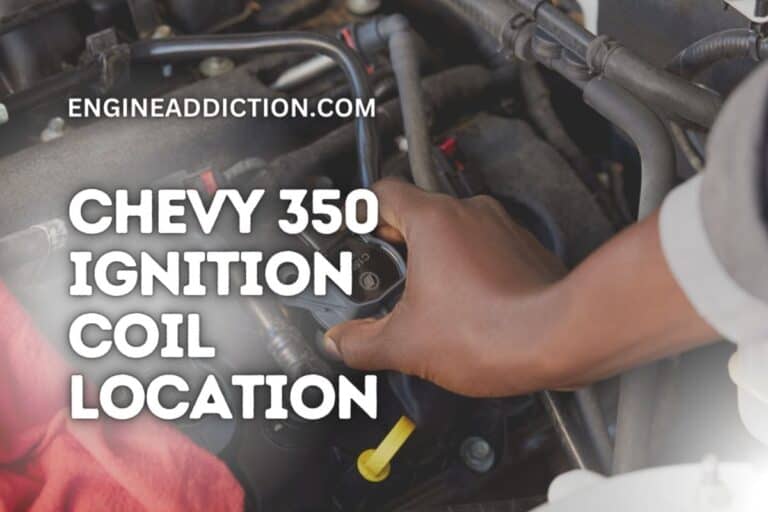
The Chevrolet 350 TBI (Throttle Body Injection) engine, a workhorse of its era, is known for its reliability. However, like any engine, its sensors can fail. One crucial sensor is the oil pressure sensor, responsible for monitoring engine oil pressure and alerting the driver to potential problems. Understanding its location, troubleshooting common issues, and performing regular maintenance can significantly extend your engine's life.
Location, Location, Location!
Finding the oil pressure sensor on a 350 TBI can sometimes feel like a treasure hunt. Generally, it's located near the distributor at the rear of the engine block, typically on the driver's side. More specifically, look for it above the oil filter adapter. It's often screwed directly into the block or into an adapter. Common models where you'll find this configuration include the late 80s and early 90s Chevy trucks (C/K series like the C1500, K1500), Camaros, Firebirds, and Caprices equipped with the 350 TBI. Keep in mind that specific placement can vary slightly depending on the year and model, so consulting your vehicle's service manual is always recommended.
Troubleshooting Oil Pressure Sensor Problems
A faulty oil pressure sensor can manifest in several ways, each requiring a different approach to diagnose and fix. Here are some common symptoms:
- Gauge Reads Zero or Low Oil Pressure: This is perhaps the most alarming symptom. The gauge on your dashboard reads consistently low or even zero, even though the engine seems to be running fine.
- Gauge Reads High or Fluctuating Oil Pressure: Conversely, the gauge might spike erratically or read consistently high, again potentially without any noticeable engine performance issues.
- "Check Engine" Light: A malfunctioning oil pressure sensor can trigger the "Check Engine" light. A diagnostic code related to the oil pressure sensor (often a P0520 code) will be stored in the engine's computer.
- Engine Stalling: In some cases, a faulty sensor can send incorrect information to the engine control unit (ECU), leading to engine stalling, particularly at idle.
Let's break down each symptom with potential causes and solutions:
Symptom: Low/Zero Oil Pressure Reading
Possible Causes:
- Faulty Sensor: The sensor itself is the most common culprit.
- Wiring Issues: Damaged, corroded, or disconnected wiring leading to the sensor.
- Low Oil Level: Always check the oil level first! This is a simple but crucial step.
- Failing Oil Pump: While less likely initially, a failing oil pump can indeed cause low oil pressure.
- Clogged Oil Filter: A severely clogged oil filter can restrict oil flow.
Solutions:
- Check Oil Level: Top up if necessary.
- Inspect Wiring: Look for broken wires, loose connections, and corrosion. Clean or repair as needed. Use a multimeter to check for continuity and voltage.
- Replace the Sensor: A relatively inexpensive and straightforward repair. Disconnect the wiring, unscrew the old sensor (using the correct socket size), apply sealant to the new sensor's threads, and screw it in. Reconnect the wiring.
- Replace Oil Filter: If it has been a while since your last oil change, replacing the filter is a good preventative measure.
- Test Oil Pressure with a Mechanical Gauge: This bypasses the sensor and provides a direct reading of the oil pressure. If the mechanical gauge also shows low pressure, suspect a failing oil pump or other internal engine issues.
Symptom: High/Fluctuating Oil Pressure Reading
Possible Causes:
- Faulty Sensor: Again, a common suspect.
- Wiring Issues: A short to ground in the wiring can cause a high reading.
- Stuck Pressure Relief Valve: The oil pump has a pressure relief valve that prevents excessive pressure. If it's stuck closed, pressure can build up.
Solutions:
- Inspect Wiring: Look for shorts to ground.
- Replace the Sensor: The simplest first step.
- Inspect Oil Pump Pressure Relief Valve: This requires removing the oil pan and inspecting the valve for damage or debris. This is a more involved repair.
Symptom: "Check Engine" Light
Possible Cause: Diagnostic code related to the oil pressure sensor. Codes like P0520.
Solutions:
- Read the Code: Use an OBD-II scanner to retrieve the diagnostic code.
- Follow Troubleshooting Steps: Once you have the code, consult your vehicle's service manual or online resources for troubleshooting steps specific to that code. This will likely involve checking the sensor, wiring, and potentially the oil pressure itself.
- Clear the Code: After repairing the issue, clear the code using the OBD-II scanner.
Symptom: Engine Stalling
Possible Causes: A faulty sensor sending incorrect data to the ECU. In rare cases.
Solutions:
- Replace the Sensor: Start with a sensor replacement, especially if the other symptoms are also present.
- Check Wiring: Ensure there is no short or loose wire connection.
- Check and Clean the Throttle Body: Dirty throttle body can also cause engine stalling.
Real-World Issues and Tips
- Use Quality Parts: When replacing the oil pressure sensor, opt for a reputable brand. Cheap aftermarket sensors can be unreliable.
- Sealant is Key: Always use thread sealant on the new sensor's threads to prevent oil leaks. Teflon tape is an alternative, but liquid sealant is generally preferred.
- Don't Overtighten: Overtightening the sensor can damage the threads on the engine block. Tighten it snugly, following the torque specifications in your service manual if available.
- Check the Connector: Pay close attention to the electrical connector that plugs into the sensor. Ensure it's clean, free from corrosion, and clicks securely into place.
Keeping Your Chevy 350 TBI in Top Condition
Preventative maintenance is the best medicine for any vehicle. Here are some tips to keep your Chevy 350 TBI running smoothly:
- Regular Oil Changes: Follow the recommended oil change intervals in your owner's manual. Use the correct type and weight of oil.
- Monitor Oil Pressure: Pay attention to your oil pressure gauge. Any unusual readings should be investigated promptly.
- Inspect Wiring Regularly: Check the wiring throughout the engine bay for damage, corrosion, and loose connections.
- Use Fuel Additives: Periodically use fuel additives to clean fuel injectors and prevent carbon buildup.
- Address Issues Promptly: Don't ignore warning signs. Addressing small problems early can prevent them from turning into major repairs.
By understanding the location of the oil pressure sensor, troubleshooting common issues, and performing regular maintenance, you can keep your Chevy 350 TBI engine running strong for years to come. Remember to always consult your vehicle's service manual for specific instructions and torque specifications.