
High Mileage Full Synthetic Motor Oil 0w-20
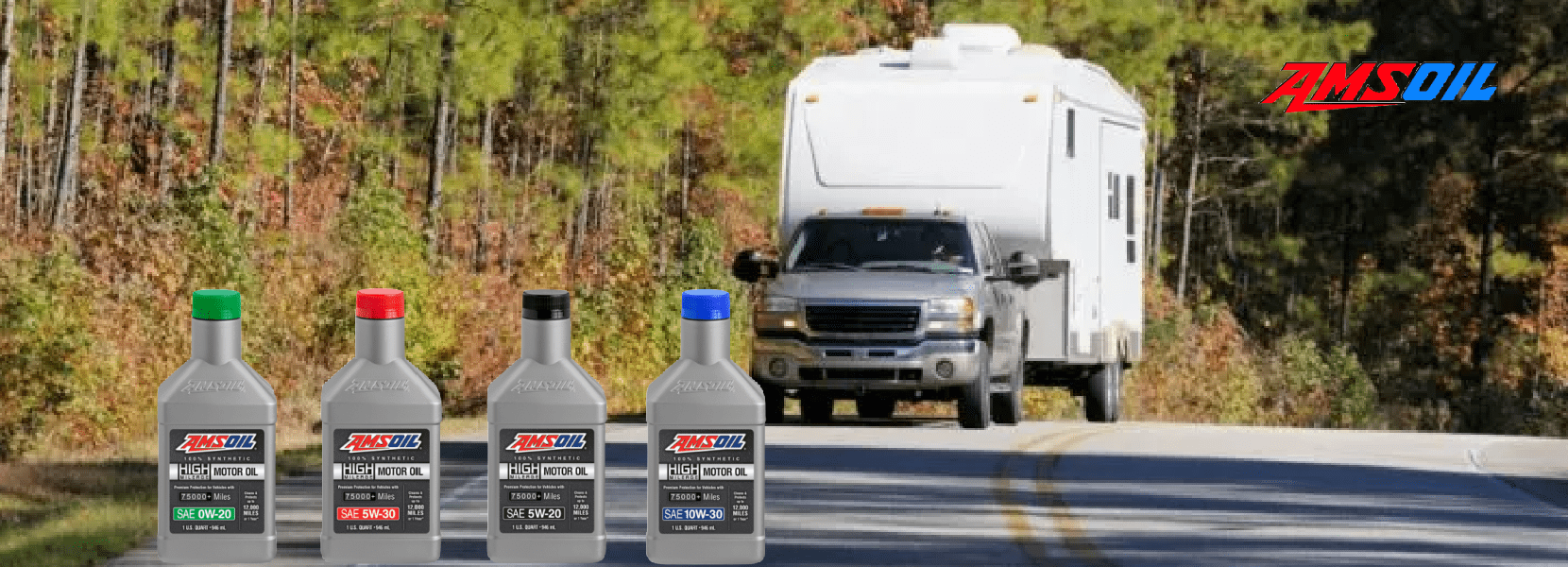
So, your trusty steed has racked up the miles, huh? We're talking well past the 75,000 or even 100,000 mark. That's fantastic! It means you've got a reliable car that's been serving you well. But, as mileage increases, your engine's needs change. You might be noticing some things you didn't before: a little bit of oil consumption, maybe a slight drop in fuel economy, or even some concerning engine noises. Don't panic! A simple switch to a high mileage full synthetic 0W-20 motor oil could be just what the doctor ordered.
Understanding High Mileage Challenges
First, let's talk about why high mileage engines act differently. Over time, seals and gaskets in your engine start to harden and shrink. This is perfectly normal wear and tear. These hardened components can then lead to:
- Oil Leaks: Even small cracks or shrinkage in seals can cause oil to seep out, leading to lower oil levels and potentially engine damage if not addressed.
- Increased Oil Consumption: Worn piston rings can allow oil to sneak past into the combustion chamber, resulting in it being burned along with the fuel.
- Sludge Buildup: Over time, deposits form inside your engine. This "sludge" can restrict oil flow and reduce the engine's efficiency.
- Reduced Engine Compression: Worn cylinders and rings reduce the engine's ability to compress the air-fuel mixture, leading to decreased power and fuel economy.
These issues, while common, are definitely not something to ignore. Luckily, high mileage motor oils are formulated to tackle these problems head-on.
The Power of High Mileage Full Synthetic 0W-20
Okay, so why 0W-20 and why full synthetic? And what does "high mileage" even mean in this context? Let's break it down:
Why 0W-20?
The "0W" refers to the oil's viscosity (thickness) at cold temperatures. "0W" means it flows very easily when cold, which is crucial for engine start-up, especially in colder climates. This reduces wear and tear during those critical first few seconds after ignition. The "20" represents the oil's viscosity at operating temperature (usually 212°F or 100°C). A viscosity of 20 provides adequate protection at those higher temperatures. Always check your vehicle's owner's manual to ensure 0W-20 is the recommended or acceptable viscosity for your engine. Some older engines may require a different viscosity.
Why Full Synthetic?
Full synthetic oils are designed from the ground up for superior performance. They offer several advantages over conventional oils:
- Better Resistance to Breakdown: Synthetic oils are more stable at high temperatures, meaning they resist oxidation and breakdown better than conventional oils. This translates to longer oil change intervals and better protection.
- Superior Lubrication: Synthetic oils provide a more consistent and robust lubricating film, reducing friction and wear.
- Improved Cold-Start Performance: As mentioned before, their excellent cold-flow properties provide faster lubrication during start-up.
- Enhanced Engine Cleanliness: Synthetic oils often contain more detergents and dispersants to keep engines cleaner and free of sludge.
The "High Mileage" Advantage
High mileage oils are specifically formulated with additives to address the unique needs of older engines. These additives typically include:
- Seal Conditioners: These additives help to soften and swell hardened seals and gaskets, reducing leaks.
- Viscosity Improvers: These help the oil maintain its viscosity (thickness) at high temperatures, even as it ages, which is especially important as the engine components wear.
- Detergents and Dispersants: These help to clean existing sludge and prevent new deposits from forming.
- Anti-Wear Additives: These provide extra protection against wear and tear, especially in older engines that may have some existing wear.
Making the Switch: A Practical Guide
Ready to make the switch to high mileage full synthetic 0W-20? Here's a step-by-step guide:
- Gather Your Supplies: You'll need the correct amount of 0W-20 high mileage full synthetic oil (check your owner's manual), a new oil filter (the correct one for your vehicle!), an oil filter wrench, a wrench for the drain plug, a drain pan, a funnel, gloves, and some rags or paper towels.
- Warm Up the Engine: Run the engine for a few minutes to warm the oil. This helps it flow more easily. Do not run the engine for too long; you want the oil warm, not scalding.
- Locate the Drain Plug: Find the oil drain plug underneath your engine's oil pan. Place the drain pan underneath it.
- Remove the Drain Plug: Carefully loosen and remove the drain plug, allowing the old oil to drain completely. Be careful; the oil will be hot!
- Replace the Oil Filter: While the oil is draining, remove the old oil filter using the oil filter wrench. Lightly lubricate the rubber gasket of the new oil filter with fresh oil and screw it on by hand until it's snug. Then, tighten it another half to three-quarters of a turn as instructed on the filter itself.
- Reinstall the Drain Plug: Once the oil has completely drained, clean the drain plug and install a new crush washer (if applicable). Tighten the drain plug to the manufacturer's recommended torque specification (check your service manual). Do not overtighten!
- Add New Oil: Using the funnel, pour the correct amount of new 0W-20 high mileage full synthetic oil into the engine.
- Check the Oil Level: Use the dipstick to check the oil level. Add more oil if needed to reach the "full" mark.
- Start the Engine: Start the engine and let it run for a few minutes. Check for leaks around the drain plug and oil filter.
- Recheck the Oil Level: After the engine has been running for a few minutes, turn it off and let it sit for a few minutes. Recheck the oil level and add more oil if necessary.
- Dispose of the Old Oil Properly: Take the used oil to a recycling center or auto parts store for proper disposal. Do not pour it down the drain!
Tools Needed: Wrench set, oil filter wrench, drain pan, funnel, gloves, rags. A jack and jack stands may also be needed to safely access the drain plug.
Approximate DIY Cost: $50-$100 depending on the brand of oil and filter, and whether you already own the tools.
Approximate Shop Cost: $80-$150 depending on the shop and the brand of oil used.
When To Seek Professional Help
While changing your oil is a relatively straightforward DIY task, there are times when it's best to consult a professional mechanic. Consider professional assistance if:
- You're not comfortable working on your car.
- You encounter any difficulties during the oil change process, such as a stripped drain plug or a stuck oil filter.
- You suspect there are underlying engine problems causing excessive oil consumption or leaks.
Ignoring engine problems can lead to much more expensive repairs down the line. Addressing issues promptly can save you a lot of money and headaches in the long run.
Remember: Regular oil changes are crucial for maintaining the health and longevity of your engine. Switching to high mileage full synthetic 0W-20 is a simple but effective way to give your aging engine the extra care it needs to keep running smoothly for years to come. Pay attention to your engine's behavior, be proactive with maintenance, and enjoy the ride!