
High Quality Fuel System Cleaners Have More
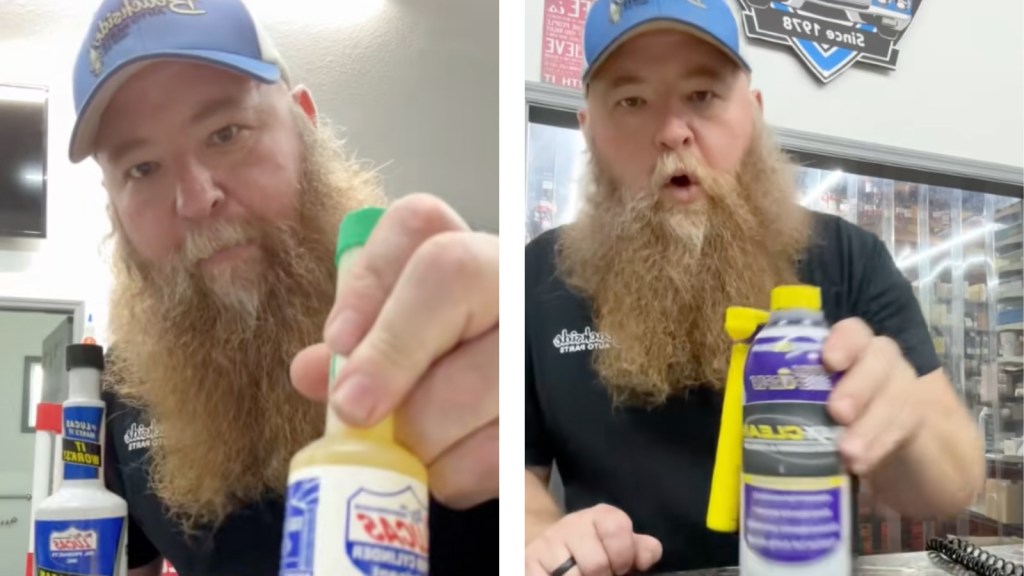
Hey folks, ever notice your car feeling a little sluggish? Maybe the gas mileage isn't what it used to be, or you're experiencing some rough idling? These issues can often be traced back to a build-up of deposits in your fuel system. Think of it like cholesterol in your car's arteries – it restricts the flow and affects performance. That's where a good fuel system cleaner comes in. But, not all fuel system cleaners are created equal. A high-quality cleaner will address the root cause of these issues and provide a lasting solution, while a cheaper option might just offer a temporary band-aid.
The Problem: Dirty Fuel Systems and Their Symptoms
Over time, fuel injectors, intake valves, and combustion chambers can accumulate deposits from gasoline. These deposits are primarily carbon-based and form as a byproduct of the combustion process. Even with the higher detergent fuels available today, these deposits can still build up, especially in older vehicles or those driven primarily in stop-and-go traffic. The heat and pressure inside the engine accelerate this process.
Here's a breakdown of some common symptoms you might experience:
- Reduced Fuel Economy: Deposits hinder the proper atomization of fuel, leading to incomplete combustion and wasted fuel. You might notice you're filling up more often than usual.
- Rough Idling: Irregular fuel delivery due to clogged injectors can cause the engine to idle roughly or even stall.
- Hesitation During Acceleration: When you step on the gas, the engine might hesitate or feel sluggish as it struggles to deliver the required fuel.
- Increased Emissions: Incomplete combustion leads to higher levels of harmful emissions like hydrocarbons (HC), carbon monoxide (CO), and nitrogen oxides (NOx). This can cause your vehicle to fail an emissions test.
- Knocking or Pinging: Deposits in the combustion chamber can create "hot spots" that pre-ignite the fuel-air mixture, leading to knocking or pinging sounds, which can damage your engine over time.
Ignoring these symptoms can lead to more serious problems down the road, potentially requiring expensive repairs like injector replacement or engine cleaning.
The Solution: Choosing a High-Quality Fuel System Cleaner
The key to a good fuel system cleaner lies in its formulation. High-quality cleaners contain a blend of powerful detergents and solvents specifically designed to dissolve and remove deposits from various parts of the fuel system. These cleaners often contain polyetheramine (PEA), which is considered one of the most effective deposit-cleaning additives available.
Why PEA Matters: PEA is a strong detergent that can withstand the high temperatures and pressures inside the engine. It effectively removes carbon deposits from fuel injectors, intake valves, and combustion chambers, restoring proper fuel flow and combustion.
Here's what to look for in a high-quality fuel system cleaner:
- Contains PEA: Check the product label for the presence of polyetheramine (PEA). This is a crucial ingredient for effective deposit removal.
- Comprehensive Cleaning: The cleaner should target multiple areas of the fuel system, including fuel injectors, intake valves, and combustion chambers.
- Safe for Sensors and Catalytic Converters: Ensure the cleaner is safe for oxygen sensors and catalytic converters, as some harsh chemicals can damage these components.
- Reputable Brand: Choose a cleaner from a well-known and reputable brand with a proven track record. Look for reviews and testimonials from other users.
- Concentrated Formula: A concentrated formula indicates a higher concentration of active ingredients, which can be more effective at removing deposits.
Practical Tips for Using Fuel System Cleaners
Using a fuel system cleaner is generally a straightforward process, but here are some tips to ensure you get the best results:
- Read the Instructions Carefully: Always follow the manufacturer's instructions on the product label. Pay attention to the recommended dosage and usage frequency.
- Add to a Full Tank of Gas: Pour the fuel system cleaner into a nearly full tank of gas. This ensures that the cleaner is properly diluted and distributed throughout the fuel system.
- Drive Normally: After adding the cleaner, drive your vehicle as you normally would. Avoid aggressive driving, as this can put unnecessary stress on the engine.
- Consider Multiple Treatments: For heavily soiled fuel systems, you may need to repeat the treatment after a few fill-ups.
DIY or Professional Service? While adding a fuel system cleaner is a simple DIY task, a professional fuel system cleaning service might be necessary for severe cases of deposit build-up. A professional service typically involves using specialized equipment to clean the fuel injectors and other components directly.
Estimated Costs and Tools
DIY Fuel System Cleaner Treatment:
- Cost: A bottle of high-quality fuel system cleaner typically costs between $15 and $30.
- Tools Needed: None.
Professional Fuel System Cleaning Service:
- Cost: A professional fuel system cleaning service can range from $100 to $300, depending on the shop and the complexity of the service.
- Tools Needed: This is a professional service, so no tools are needed on your end. The shop will have specialized equipment for the job.
Beyond Fuel System Cleaners: Preventative Measures
While fuel system cleaners are effective at removing deposits, it's also important to take preventative measures to minimize build-up in the first place. Here are some tips:
- Use High-Quality Gasoline: Opt for gasoline from reputable brands that contain detergents to help keep your fuel system clean.
- Regularly Change Your Fuel Filter: A clogged fuel filter can restrict fuel flow and contribute to deposit build-up. Follow the manufacturer's recommended maintenance schedule for fuel filter replacement.
- Avoid Short Trips: Short trips can be particularly hard on the engine, as it doesn't have enough time to warm up properly, leading to incomplete combustion and increased deposit formation.
- Proper Vehicle Maintenance: Ensure your vehicle is properly maintained, including regular oil changes and tune-ups. This will help keep the engine running efficiently and reduce the risk of deposit build-up.
In Conclusion
A high-quality fuel system cleaner is a valuable tool for maintaining your vehicle's performance and fuel efficiency. By understanding the symptoms of a dirty fuel system and choosing the right cleaner, you can restore your engine's performance and prevent costly repairs down the road. Remember to look for cleaners containing PEA, follow the instructions carefully, and consider professional cleaning services for severe cases. Keeping your fuel system clean is an investment in the long-term health and performance of your vehicle. Happy driving!