
How Hard Is It To Change Transmission Fluid
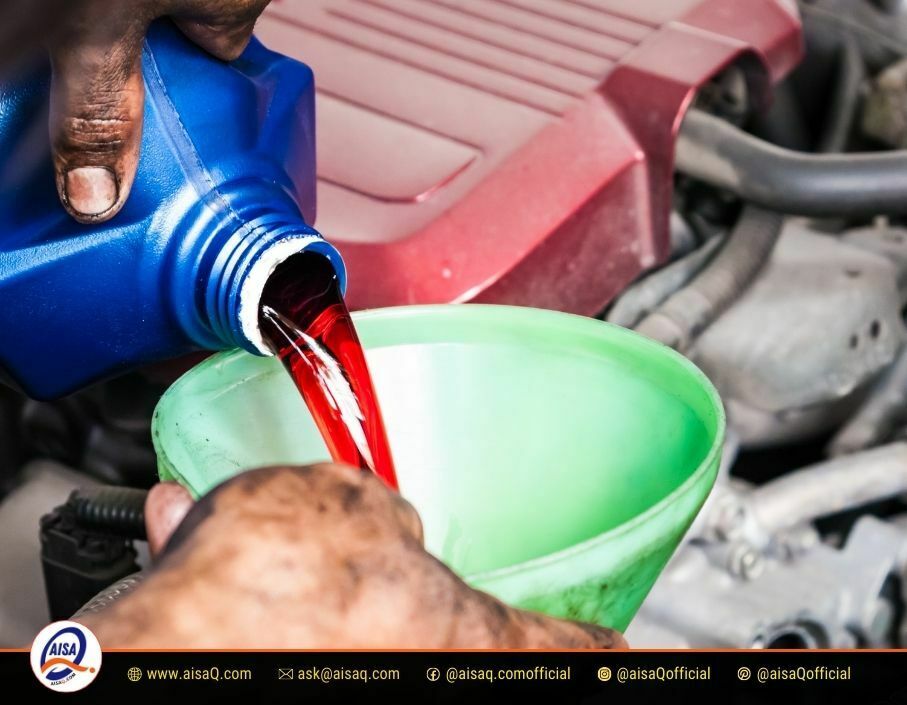
Changing transmission fluid: it's a task often shrouded in mystery, relegated to the realm of professional mechanics. But how difficult is it, really? The answer, like most things automotive, lies in the details. While not requiring specialized tools or years of experience, changing transmission fluid demands meticulous attention to detail, the right knowledge, and a healthy dose of patience. This guide will break down the process, assess the challenges, and help you determine if it's a task you're comfortable tackling.
Understanding the Transmission and Its Fluid
Before diving into the 'how,' let's understand the 'why.' A transmission, whether automatic or manual, is a complex system of gears responsible for transferring power from the engine to the wheels. Transmission fluid acts as a lubricant, coolant, and hydraulic fluid all in one. It reduces friction between moving parts, dissipates heat generated by the transmission, and, in automatic transmissions, provides the hydraulic pressure needed to engage the gears. Over time, this fluid degrades, losing its lubricating properties and becoming contaminated with wear debris. This degradation can lead to sluggish shifting, increased wear, and ultimately, transmission failure. Regular fluid changes are critical for maintaining transmission health and extending its lifespan.
Automatic vs. Manual: Two Different Beasts
The difficulty level of changing transmission fluid varies significantly between automatic and manual transmissions. While both require draining and refilling, the complexities surrounding fluid level checking and filter replacement in automatic transmissions make them inherently more challenging.
Automatic Transmissions: The Trickier Option
Changing the fluid in an automatic transmission involves several steps, each with its own potential pitfalls:
- Identifying the Transmission Type: Automatic transmissions are not created equal. Some have a drain plug, while others require removing the entire transmission pan. Knowing which type you have is the first hurdle. This information is usually available in the owner's manual or online resources specific to your vehicle's make and model.
- Draining the Old Fluid: If a drain plug is present, this step is relatively straightforward. However, removing the pan requires careful attention to avoid spilling fluid everywhere. Expect a significant amount of fluid (several quarts) to come gushing out once the pan is loose. Proper disposal of the old fluid is also essential; it's considered hazardous waste.
- Filter Replacement (Optional but Recommended): Most automatic transmissions have a filter that should be replaced during a fluid change. This filter screens out contaminants and prevents them from circulating within the transmission. Accessing and replacing the filter typically involves removing the transmission pan.
- Cleaning the Pan and Magnet: Inside the transmission pan, you'll likely find a magnet designed to attract metallic debris. Cleaning this magnet and the inside of the pan is crucial for removing contaminants.
- Reinstalling the Pan: This step requires a new gasket and careful tightening of the pan bolts. Over-tightening can warp the pan or strip the bolt holes, leading to leaks. Proper torque specifications, usually found in the vehicle's service manual, are essential.
- Refilling with New Fluid: Using the correct type of transmission fluid is absolutely critical. Using the wrong fluid can cause serious damage to the transmission. The owner's manual will specify the correct fluid type.
- Checking the Fluid Level: This is where things get particularly tricky. Most modern automatic transmissions don't have a dipstick. Instead, they require a specific procedure, often involving running the engine, shifting through the gears, and then removing an overflow plug while the transmission is at a certain temperature. If fluid drips out, the level is correct. If not, more fluid needs to be added. This procedure can be cumbersome and requires accuracy. Failing to achieve the correct fluid level can lead to overheating, slipping, and premature transmission failure.
The absence of a dipstick in many newer vehicles has significantly increased the complexity of fluid level checks. This often requires specialized diagnostic equipment to monitor transmission temperature and ensure accurate fluid level adjustment.
Manual Transmissions: Simpler, But Still Demanding
Changing the fluid in a manual transmission is generally considered easier than an automatic. The process typically involves:
- Locating the Drain and Fill Plugs: Manual transmissions have separate drain and fill plugs, usually located on the side of the transmission case.
- Draining the Old Fluid: Removing the drain plug allows the old fluid to drain out. Again, proper disposal is essential.
- Refilling with New Fluid: The correct type of gear oil must be used. Unlike automatic transmissions, manual transmissions typically use gear oil with a higher viscosity. The fill plug is removed, and new fluid is added until it reaches the bottom of the fill hole.
- Reinstalling the Plugs: The drain and fill plugs should be tightened to the specified torque.
The lack of a filter and the simpler fluid level checking procedure makes manual transmission fluid changes less daunting. However, accessing the drain and fill plugs can sometimes be difficult, requiring specialized tools or access to a lift.
Common Pitfalls and How to Avoid Them
Regardless of whether you're working on an automatic or manual transmission, several common pitfalls can lead to problems:
- Using the Wrong Fluid: As mentioned earlier, using the incorrect type of transmission fluid is a major mistake. Always consult your owner's manual and double-check the fluid specifications before adding any fluid.
- Over- or Under-Tightening Bolts: Stripped threads or warped components can result from improper tightening. Use a torque wrench and follow the manufacturer's specifications.
- Cross-Threading Plugs: Ensure the drain and fill plugs are properly aligned before tightening them.
- Contaminating the Fluid: Avoid getting dirt or debris into the transmission during the fluid change. Work in a clean environment and use clean tools.
- Incorrect Fluid Level: Achieving the correct fluid level, especially in modern automatic transmissions, is crucial. Follow the manufacturer's procedure precisely.
Is It Right for You? A Self-Assessment
So, how hard is it to change transmission fluid? The answer depends on your mechanical aptitude, your attention to detail, and the specific vehicle you're working on. If you're comfortable with basic automotive maintenance tasks, have the necessary tools, and are willing to invest the time and effort to do it right, then changing transmission fluid is a manageable task. However, if you're unsure about any aspect of the process, it's best to leave it to a professional. A mistake can be costly, potentially leading to major transmission repairs.
Consider these questions before attempting a transmission fluid change:
- Do you have the necessary tools, including a torque wrench, sockets, and drain pan?
- Do you have access to a reliable source of information, such as a service manual or online forum specific to your vehicle?
- Are you comfortable working under a vehicle, either on ramps or jack stands?
- Do you have the time and patience to do the job properly?
- Are you comfortable troubleshooting potential problems that may arise?
If you answered "no" to any of these questions, it's probably best to have a professional handle the job. However, if you're confident in your abilities and willing to learn, changing transmission fluid can be a rewarding experience that saves you money and helps you understand your vehicle better.
Ultimately, the difficulty of changing transmission fluid is relative. It's not rocket science, but it's not a simple oil change either. Approach it with respect, knowledge, and the right tools, and you'll likely succeed.