
How Many Miles Between Synthetic Oil Change
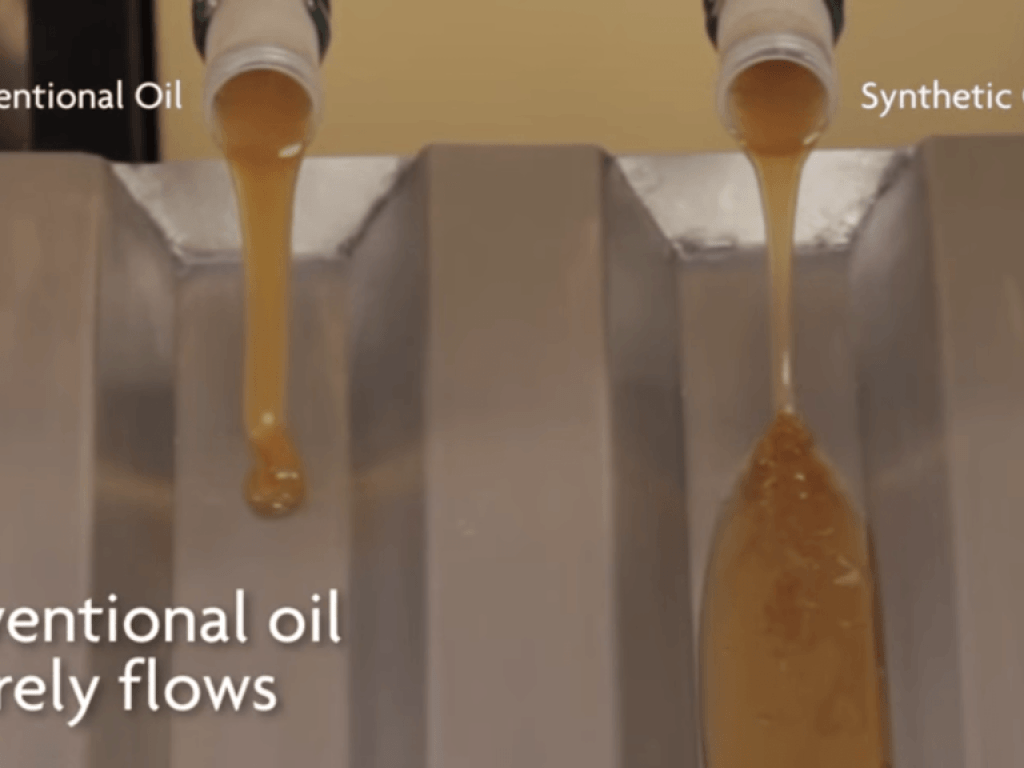
The question of how many miles to drive between synthetic oil changes is a complex one, far exceeding the simplicity of the often-quoted "3,000-mile rule." While that rule might have served older vehicles well, modern engine technology and advancements in lubricant formulation have significantly extended the lifespan and performance capabilities of motor oil, particularly synthetic blends and full synthetics. To understand the optimal interval, we need to delve into the properties of synthetic oil, the stresses placed on it by an engine, and the factors that influence its degradation.
Understanding Synthetic Oil
Unlike conventional oil, which is refined directly from crude oil, synthetic oil is engineered. This means it's created through a chemical process that allows for a far more uniform molecular structure. This uniformity translates to several key advantages:
- Improved Viscosity Index: Viscosity, the oil's resistance to flow, is crucial for proper lubrication. Synthetic oils maintain a more stable viscosity across a wider temperature range. This means better cold-start protection and consistent performance at high engine temperatures.
- Enhanced Oxidation Resistance: Oxidation is a primary cause of oil degradation, leading to sludge formation and reduced lubricating properties. Synthetic oils are far more resistant to oxidation, allowing them to maintain their protective qualities for longer.
- Superior Thermal Stability: Synthetic oils can withstand much higher temperatures without breaking down, which is particularly important in modern, high-performance engines that run hotter.
- Reduced Volatility: Synthetic oils are less prone to evaporation at high temperatures, meaning less oil consumption and reduced deposit formation.
- Improved Detergency and Dispersancy: These properties help keep the engine clean by suspending contaminants and preventing them from depositing on critical engine components.
Factors Influencing Oil Change Intervals
The lifespan of synthetic oil isn't solely determined by its inherent properties. Several external factors significantly impact its degradation and, consequently, the appropriate oil change interval:
Driving Conditions
Driving conditions are paramount. Vehicles subjected to "severe" driving conditions require more frequent oil changes. Severe driving is generally defined as:
- Frequent Short Trips: Short trips don't allow the engine to fully warm up, leading to fuel dilution of the oil and increased condensation.
- Stop-and-Go Traffic: Prolonged idling in traffic creates excessive engine heat and contributes to oil degradation.
- Towing or Hauling Heavy Loads: These activities place significant stress on the engine, increasing oil temperature and accelerating wear.
- Extreme Temperatures: Both hot and cold climates can negatively impact oil performance. Extreme cold can thicken the oil, making it harder to pump, while extreme heat can accelerate oxidation.
- Dusty or Dirty Environments: Airborne contaminants can infiltrate the engine and contaminate the oil, reducing its effectiveness.
- Racing or Track Use: High RPMs and extreme temperatures experienced during racing put immense stress on the oil.
If your driving habits frequently fall under these categories, adhering to the "severe" service interval recommended in your vehicle's owner's manual is crucial.
Engine Condition
The health of your engine plays a significant role. An engine with worn piston rings, valve seals, or other internal issues can contaminate the oil more rapidly with fuel, coolant, or combustion byproducts. Regular engine maintenance and addressing any underlying mechanical problems are essential for maximizing oil life.
Oil Filter Quality
The oil filter's primary function is to remove contaminants from the oil. A high-quality oil filter with good filtration efficiency and capacity is essential for prolonging the life of the oil. Using a cheap or low-quality filter can negate the benefits of using synthetic oil. Consider using a filter specifically designed for extended drain intervals, which have a larger capacity and higher filtration efficiency.
Oil Type and Grade
The specific synthetic oil you use also matters. Different brands and formulations offer varying levels of protection and durability. Consult your vehicle's owner's manual for the recommended oil grade (e.g., 5W-30) and consider using a synthetic oil that meets or exceeds the manufacturer's specifications. Furthermore, using the correct oil grade is paramount for optimal engine performance and protection. Using too light or too heavy of an oil can cause severe engine damage.
Recommended Oil Change Intervals for Synthetic Oil
While general recommendations exist, the best source of information for your specific vehicle is its owner's manual. Most modern vehicles using synthetic oil have recommended oil change intervals ranging from 7,500 to 10,000 miles, or even longer in some cases. However, these intervals are typically based on "normal" driving conditions.
If you primarily drive under severe conditions, as defined above, consider shortening the oil change interval to 5,000 to 7,500 miles. It's always better to err on the side of caution, especially if you're unsure about the severity of your driving conditions.
Oil Life Monitoring Systems
Many newer vehicles are equipped with Oil Life Monitoring Systems (OLMS). These systems use sophisticated algorithms that analyze various factors, such as engine speed, temperature, and driving conditions, to estimate the remaining oil life. While OLMS can be helpful, it's important to understand their limitations. They are estimates, not precise measurements of oil quality. It's still advisable to periodically check your oil level and condition manually.
The Importance of Oil Analysis
For those who want a more precise understanding of their oil's condition, oil analysis is a valuable tool. An oil analysis laboratory can assess the oil's viscosity, acidity, wear metals, and contaminants, providing insights into the engine's health and the oil's remaining lifespan. This is particularly useful for vehicles subjected to severe driving conditions or those with high mileage.
Conclusion
Determining the optimal oil change interval for synthetic oil is a nuanced process that requires considering various factors, including driving conditions, engine health, oil quality, and the recommendations in your vehicle's owner's manual. While 7,500 to 10,000 miles is a reasonable starting point for "normal" driving, shorter intervals are often necessary for vehicles subjected to severe conditions. Ultimately, regularly monitoring your oil level and condition, consulting your owner's manual, and considering oil analysis are the best ways to ensure optimal engine protection and longevity. Don't simply rely on the "3,000-mile rule" - understand the factors at play and make informed decisions about your oil change intervals.