
How Many Miles Should I Get An Oil Change
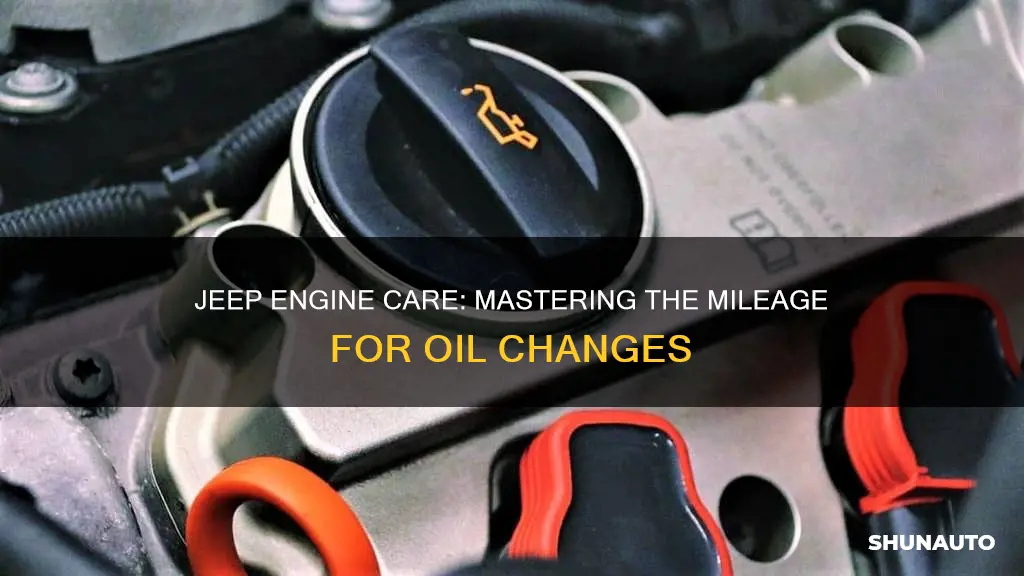
Determining the optimal oil change interval is a critical aspect of vehicle maintenance, significantly impacting engine longevity and overall performance. While the "every 3,000 miles" mantra has been widely disseminated, modern automotive engineering and advancements in lubricant technology necessitate a more nuanced approach. This article delves into the technical considerations, engineering choices, and real-world performance factors that influence oil change intervals, providing automotive professionals with a comprehensive understanding of best practices.
Understanding the Factors at Play
Several factors determine the ideal oil change interval for a specific vehicle. These include:
- Engine Design: Modern engines often feature tighter tolerances and more advanced materials. This affects how quickly oil degrades and how critical clean lubrication becomes. For example, direct injection engines, while offering improved efficiency, can introduce fuel dilution into the oil, accelerating degradation. Turbocharged engines are also more demanding due to the increased heat and pressure exerted on the oil.
- Driving Conditions: Severe driving conditions, such as frequent short trips, stop-and-go traffic, towing, and extreme temperatures, place a greater strain on the oil. These conditions can lead to increased contamination, oxidation, and viscosity breakdown.
- Oil Type: The type of oil used significantly impacts its longevity. Synthetic oils generally offer superior performance and longer drain intervals compared to conventional oils due to their enhanced resistance to thermal breakdown and oxidation. Synthetic blends offer a middle ground, providing some of the benefits of synthetics at a lower cost.
- Oil Filter Quality: A high-quality oil filter is crucial for removing contaminants and maintaining oil cleanliness. Using a substandard filter can negate the benefits of even the best oil.
- Manufacturer Recommendations: Vehicle manufacturers conduct extensive testing to determine the optimal oil change interval for their specific models. These recommendations, typically found in the owner's manual, should be considered a starting point.
OEM Recommendations vs. Real-World Performance
OEM recommendations for oil change intervals have generally increased in recent years, often exceeding 7,500 miles or even 10,000 miles for vehicles using synthetic oil. These recommendations are often based on laboratory testing under ideal conditions. However, real-world driving conditions can significantly impact oil life. It's critical to assess the vehicle's operating environment and adjust the oil change interval accordingly.
Some OEMs now incorporate oil life monitoring systems (OLMS). These systems use algorithms based on engine operating parameters, such as engine speed, temperature, and driving habits, to estimate oil degradation. While OLMS can be helpful, they are not foolproof and should be used in conjunction with visual inspection and oil analysis.
Alternative Strategies: Oil Analysis
Oil analysis provides the most accurate assessment of oil condition and remaining life. This involves sending a sample of used oil to a laboratory for analysis. The lab analyzes the oil for viscosity, contaminants, and wear metals, providing insights into the oil's condition and the engine's internal health.
Pros of Oil Analysis:
- Optimizes oil change intervals, saving money and reducing waste.
- Identifies potential engine problems early, preventing costly repairs.
- Provides valuable data for tracking engine wear and performance.
Cons of Oil Analysis:
- Involves the cost of the analysis.
- Requires time to collect and send the sample.
- Requires interpretation of the results by a qualified professional.
Reliability Aspects and Maintenance Tips
Maintaining proper oil change intervals is crucial for engine reliability and longevity. Neglecting oil changes can lead to:
- Increased engine wear and tear.
- Sludge buildup, restricting oil flow.
- Overheating.
- Reduced fuel economy.
- Premature engine failure.
Maintenance Tips:
- Always use the correct oil viscosity grade recommended by the manufacturer.
- Use a high-quality oil filter.
- Check the oil level regularly and top off as needed.
- Consider using synthetic oil for enhanced protection and longer drain intervals.
- Perform oil changes more frequently under severe driving conditions.
- Consider oil analysis for optimal oil change intervals and engine health monitoring.
Future Trends in Oil Change Intervals and Lubrication
The automotive industry is continually evolving, with advancements in engine design, lubricant technology, and sensor technology influencing oil change intervals. Future trends include:
- Further adoption of advanced synthetic oils designed for extended drain intervals.
- Improved oil life monitoring systems that incorporate more sophisticated algorithms and sensor data.
- Development of self-cleaning oil filters that reduce the need for frequent replacements.
- Electric vehicles (EVs) will largely eliminate the need for oil changes altogether, but will introduce new lubrication challenges for other components like transmissions and differentials.
- Increased focus on sustainable lubrication practices, including the use of bio-based oils and improved oil recycling programs.
These trends highlight the automotive industry's commitment to improving engine efficiency, reducing emissions, and minimizing environmental impact. Automotive professionals must stay informed about these advancements to provide their customers with the best possible service and advice.
In conclusion, determining the appropriate oil change interval requires a comprehensive understanding of engine design, driving conditions, oil type, and manufacturer recommendations. While OEM recommendations provide a starting point, real-world performance and alternative strategies like oil analysis should be considered to optimize oil change intervals and ensure engine reliability and longevity. As the automotive industry continues to evolve, staying abreast of emerging trends in lubrication technology will be crucial for automotive professionals to provide effective and sustainable maintenance solutions.