
How Many Quarts Of Oil Does A Hemi 5.7 Take
So, you're wondering about the oil capacity of your Hemi 5.7? That's a great question, and knowing the right amount is crucial for keeping that engine running smoothly and avoiding costly problems down the road. You wouldn't want to overfill or, even worse, underfill! Let's dive into it.
The Magic Number: 6 Quarts (Generally)
Typically, a 5.7L Hemi engine requires 6 quarts of oil when performing a standard oil and filter change. However, and this is important, there can be slight variations depending on the exact model year, the specific vehicle the engine is in (Ram 1500, Charger, Challenger, Chrysler 300, etc.), and even the size of the oil filter used. It's always best to double-check your owner's manual for the definitive answer for your specific vehicle. Your manual is your best friend!
Why the Slight Variations?
You might be asking, "Why the wiggle room?". A few things can influence the exact amount:
- Oil Filter Size: Different manufacturers and even different product lines from the same manufacturer can offer filters with slightly different capacities. A larger filter will naturally require a bit more oil to fill the system completely.
- Oil Cooler (If Equipped): Some 5.7L Hemis, especially in heavier-duty applications like the Ram trucks, might be equipped with an oil cooler. This cooler adds to the overall system capacity, potentially requiring a bit more oil.
- Model Year Updates: Automakers sometimes make minor tweaks to engine components or oil pan designs over the years. While rare, these adjustments can sometimes affect the total oil capacity.
That's why I keep harping on the owner's manual! It's the most reliable source for your specific vehicle.
The Oil Change Process: A Step-by-Step Guide (and Capacity Confirmation)
Here's a breakdown of how to change your oil and, more importantly, how to *accurately* check the oil level to ensure you've added the right amount:
- Gather Your Supplies: You'll need:
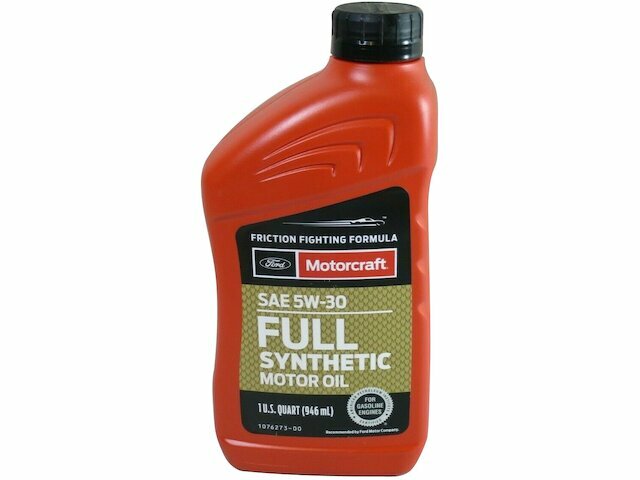
- 6 quarts of the correct oil type (check your owner's manual for the recommended viscosity – usually 5W-20 or 5W-30, often synthetic blend or full synthetic).
- A new oil filter (again, consult your owner's manual or a reputable parts supplier for the correct filter).
- A wrench for the oil filter.
- A wrench for the oil drain plug.
- An oil drain pan.
- Rags or paper towels.
- Funnel.
- Gloves (optional, but recommended to keep your hands clean).
- Jack and jack stands (or ramps) to safely lift the vehicle. Safety First! Never work under a vehicle supported only by a jack.
- Warm Up the Engine: Run the engine for a few minutes to warm the oil. This helps it flow more easily and carry away contaminants. Be careful! The oil and exhaust components will be hot.
- Safely Lift the Vehicle: Using your jack and jack stands (or ramps), safely raise the vehicle to gain access to the oil drain plug and filter.
- Locate and Remove the Drain Plug: Position the drain pan under the drain plug. Use the correct wrench to loosen and remove the plug, allowing the old oil to drain completely. Hot oil warning! Let it drain until it stops dripping.
- Remove the Old Oil Filter: Position the drain pan under the oil filter. Use the oil filter wrench to loosen and remove the old filter. A little oil will spill, so be prepared with rags.
- Prepare the New Oil Filter: Lightly lubricate the rubber gasket on the new oil filter with fresh oil. This helps ensure a good seal.
- Install the New Oil Filter: Screw the new oil filter onto the engine by hand until the gasket makes contact, then tighten it another ¾ to 1 full turn. Do not overtighten!
- Reinstall the Drain Plug: Install a new drain plug washer (if recommended) and tighten the drain plug to the manufacturer's specified torque. Do not overtighten! Overtightening can damage the oil pan.
- Lower the Vehicle: Carefully lower the vehicle back to the ground.
- Add the Oil: Remove the oil fill cap on the engine. Using a funnel, pour in 5.5 quarts of new oil. Remember, we're starting with a little less to avoid overfilling.
- Check the Oil Level: Replace the oil fill cap. Start the engine and let it run for a minute or two. Then, shut off the engine and wait about 5 minutes to allow the oil to settle. Pull out the dipstick, wipe it clean, reinsert it fully, and then pull it out again to check the oil level.
- Adjust as Needed: If the oil level is below the "Full" mark on the dipstick, add a little more oil (a quarter of a quart at a time) and recheck the level until it reaches the "Full" mark. Avoid overfilling!
- Final Check: Once the oil level is correct, check for any leaks around the drain plug and oil filter.
- Reset the Oil Life Monitoring System: Consult your owner's manual for instructions on how to reset the oil life monitoring system in your vehicle.
- Dispose of Used Oil Properly: Take the used oil and filter to a recycling center or auto parts store for proper disposal.
The key here is to add slightly less than the supposed capacity and then carefully top it off based on the dipstick reading. This ensures you don't overfill the engine, which can be just as harmful as underfilling.
Consequences of Overfilling or Underfilling
Let's quickly cover why getting the oil level right is so important:
- Underfilling: This can lead to oil starvation, especially during hard cornering or acceleration. Oil starvation causes increased wear and tear on engine components and can eventually lead to catastrophic engine failure.
- Overfilling: Overfilling can cause the crankshaft to churn the oil, creating air bubbles and reducing the oil's ability to lubricate properly. It can also put excessive pressure on seals and gaskets, potentially leading to leaks. In severe cases, it can even damage the catalytic converter.
What if I Still Have Problems?
If you're unsure about the correct oil capacity or if you're experiencing any problems after an oil change (such as low oil pressure, unusual noises, or leaks), it's always best to consult a qualified mechanic. They can diagnose the issue and ensure that your engine is properly lubricated.
Approximate Costs
Doing an oil change yourself is the most affordable option. You can expect to spend around $40-$80 on oil and a filter, depending on the brand and type of oil you choose. If you take your vehicle to a shop, the cost can range from $80 to $150 or more, depending on the shop's labor rates and the type of oil they use.
I hope this helps clarify the oil capacity question for your 5.7L Hemi! Remember, always double-check your owner's manual, and if in doubt, err on the side of caution and consult a professional.