
How Many Quarts Of Oil For A Dodge Ram 1500
Alright, let's talk about oil capacity for your Dodge Ram 1500. It's a crucial part of preventative maintenance, and getting it wrong can lead to some serious engine issues. The exact amount of oil your Ram 1500 needs depends primarily on the engine it's equipped with. We'll cover the most common engine options and their respective oil capacities, along with some important considerations for when you're changing your oil.
Engine-Specific Oil Capacities
The first thing you absolutely need to know is which engine you have. Look for the engine size either on your window sticker, the VIN decoder (there are plenty online), or sometimes even a sticker under the hood. Don't guess; accuracy is key here.
3.6L Pentastar V6
The 3.6L Pentastar V6 is a common engine in Ram 1500s, particularly in newer models. This engine typically requires 6 quarts (approximately 5.7 liters) of oil. However, it's always a good idea to double-check your owner's manual because slight variations might exist depending on the model year. This engine is known for its efficiency and reliability, but proper lubrication is vital to prevent premature wear. Use oil meeting the Chrysler MS-6395 specification, usually a 5W-20 or 5W-30 depending on the model year and operating conditions.
When adding oil, add 5 quarts and check the dipstick. Add the sixth quart slowly, checking the dipstick after each addition until you get to the "full" mark. It is critical not to overfill.
5.7L Hemi V8
Ah, the legendary Hemi! This engine is a powerhouse and a favorite among Ram 1500 enthusiasts. The 5.7L Hemi V8 typically requires 7 quarts (approximately 6.6 liters) of oil. Again, consulting your owner's manual is crucial to confirm the exact specification for your specific model year. This engine needs proper lubrication to maintain its performance and longevity. For the 5.7L Hemi, use oil meeting the Chrysler MS-6395 specification, generally a 5W-20. Many owners of higher mileage Hemis opt for a slightly heavier weight oil, like a 5W-30, particularly in warmer climates, to help maintain oil pressure.
Similar to the 3.6L, add 6 quarts first, then check the dipstick. Top up slowly until you reach the full mark.
3.0L EcoDiesel V6
The 3.0L EcoDiesel V6 is a fuel-efficient diesel option for the Ram 1500. This engine has a larger oil capacity, typically requiring 8 quarts (approximately 7.6 liters) of oil. Diesel engines have different lubrication requirements than gasoline engines, so it’s critical to use the correct oil specification. Refer to your owner's manual for the specific diesel oil required, usually a low-SAPS (Sulfated Ash, Phosphorus, Sulfur) oil designed for diesel particulate filters (DPFs). Using the wrong oil can damage the DPF and other emissions control components. This engine generally uses a 5W-30 or 5W-40 oil, depending on the model year and climate. Pay close attention to the oil's specifications, making sure it meets or exceeds the manufacturer's requirements for diesel engines. Diesel oil formulations are different than regular oil and designed to handle the higher soot loading and specific lubrication requirements of diesel engines.
With the larger capacity of the EcoDiesel, add 7 quarts, check the dipstick and adjust accordingly. Be especially careful not to overfill, as this can damage the diesel particulate filter (DPF) in the exhaust system.
Other Considerations and Best Practices
Beyond just the quantity of oil, several other factors play a critical role in a successful oil change:
- Oil Type: Always use the oil weight and specification recommended in your owner's manual. Using the wrong oil can negatively impact engine performance and longevity. Modern engines are designed with specific tolerances and oil viscosity requirements in mind. Deviating from these recommendations can lead to increased wear, reduced fuel efficiency, and even engine damage. Synthetic blends and full synthetic oils are generally recommended for modern engines due to their superior lubrication properties, heat resistance, and extended drain intervals.
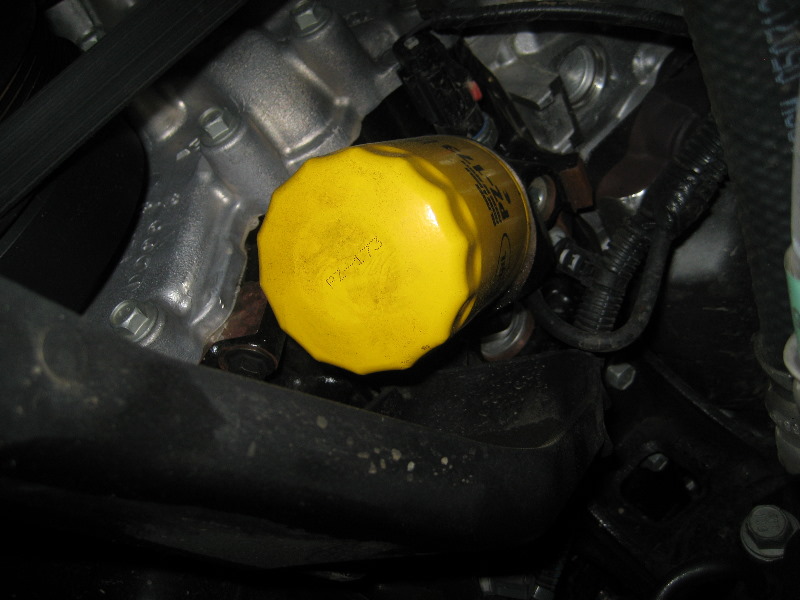
- Oil Filter: Replace the oil filter every time you change your oil. The oil filter removes contaminants from the oil, keeping it clean and protecting your engine from wear. Using a high-quality oil filter is crucial for optimal engine protection. There are many different brands and types of oil filters available, so do some research to find one that is well-regarded for its filtration efficiency and durability. Some common brands include Mopar, Wix, and Mobil 1.
- Drain Plug: Ensure the drain plug is properly tightened after draining the old oil. Overtightening can damage the oil pan, while undertightening can lead to leaks. Always use a new drain plug washer each time you change your oil to ensure a proper seal. Torque specifications for drain plugs vary depending on the engine and model year, so consult your service manual for the correct torque value.
- Checking the Dipstick: The dipstick is your primary tool for verifying the oil level. After adding the recommended amount of oil, run the engine for a few minutes to circulate the oil, then turn it off and let it sit for a few minutes to allow the oil to settle. Remove the dipstick, wipe it clean, reinsert it fully, and then remove it again to check the oil level. The oil level should be between the minimum and maximum marks on the dipstick. If the oil level is too low, add more oil in small increments until it reaches the correct level. If the oil level is too high, you will need to drain some oil out. Overfilling is just as bad as underfilling.
- Environmental Responsibility: Properly dispose of used oil and oil filters. Do not pour used oil down the drain or into the ground. Most auto parts stores and recycling centers accept used oil and filters for recycling. Responsible disposal is essential for protecting the environment.
Overfilling vs. Underfilling:
Overfilling the engine with oil can cause serious problems. The crankshaft can churn the oil, creating air bubbles that reduce the oil's lubricating properties. This can lead to increased wear on engine components, reduced fuel efficiency, and even engine damage. Overfilling can also put excessive pressure on seals, causing them to leak.
Underfilling the engine with oil is equally problematic. Insufficient oil can lead to inadequate lubrication, causing increased friction and wear on engine components. This can result in overheating, engine knocking, and ultimately, engine failure.
Torque Specs: Always consult your Ram 1500's service manual for the correct torque specifications for the drain plug and oil filter. Using a torque wrench ensures that these components are properly tightened, preventing leaks and damage. Torque specifications are typically measured in foot-pounds (ft-lbs) or Newton-meters (Nm).
By paying attention to these details, you can ensure that your Dodge Ram 1500's engine is properly lubricated and protected, extending its lifespan and maintaining its performance. Remember to consult your owner's manual for the most accurate information specific to your vehicle.