
How Many Quarts Of Oil In A 7.3 Powerstroke
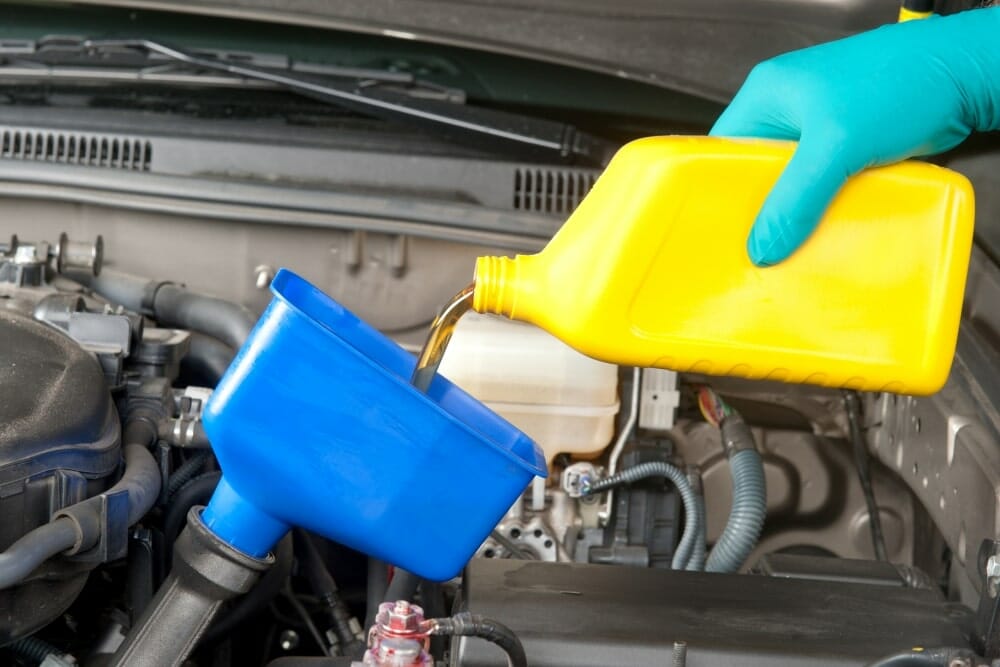
The 7.3L Powerstroke engine, a workhorse found in Ford trucks from 1994.5 to 2003, is known for its reliability. However, like any engine, proper maintenance, especially oil changes, is crucial for its longevity. One of the most frequently asked questions is: How many quarts of oil does a 7.3 Powerstroke require? The answer is generally 15 quarts, including the oil filter.
Oil Change Essentials: Capacity and Procedure
While 15 quarts is the standard, always double-check your owner's manual for the specific recommendation for your truck's year and configuration. Minor variations might exist. Using the correct amount is critical; overfilling or underfilling can cause significant engine damage. Overfilling can lead to aeration of the oil, reducing its lubricating properties and potentially damaging seals. Underfilling, on the other hand, can lead to insufficient lubrication, causing excessive wear on engine components.
The Procedure: A Step-by-Step Guide
- Warm up the engine slightly (not fully hot). This allows the oil to flow more freely.
- Gather your supplies: 15 quarts of oil (specifically formulated for diesel engines), a new oil filter (Motorcraft FL-1995 is a common choice), a wrench for the oil filter, a drain pan, a socket wrench for the drain plug, and gloves.
- Locate the oil drain plug on the oil pan. Position the drain pan underneath.
- Carefully remove the drain plug and allow the oil to drain completely.
- While the oil is draining, remove the old oil filter. Lightly lubricate the rubber gasket of the new oil filter with fresh oil.
- Install the new oil filter, tightening it hand-tight (usually about ¾ to 1 full turn after the gasket contacts the engine).
- Replace the drain plug with a new crush washer (if applicable) and tighten it to the manufacturer's specified torque (typically around 35 ft-lbs).
- Pour in 14 quarts of oil.
- Start the engine and let it run for a minute or two, checking for leaks around the drain plug and oil filter.
- Turn off the engine and let it sit for a few minutes. Check the oil level with the dipstick. Add the remaining quart of oil as needed to reach the "full" mark.
- Dispose of the used oil properly at a recycling center.
Troubleshooting Oil-Related Issues
Problem: Low Oil Pressure
Symptom: The oil pressure gauge reads low or the "check engine" light comes on. The engine may also exhibit unusual noises.
Possible Causes: Low oil level, worn oil pump, clogged oil pickup tube, faulty oil pressure sensor, or internal engine damage (worn bearings).
Solutions: First, check the oil level and add oil if needed. If the level is correct, consider replacing the oil pressure sensor. If the problem persists, a mechanic should inspect the oil pump and pickup tube. In severe cases, engine damage may require a rebuild.
Problem: Excessive Oil Consumption
Symptom: You need to add oil frequently between oil changes. Blue smoke may be coming from the exhaust.
Possible Causes: Worn piston rings, leaking valve seals, a faulty turbocharger, or external oil leaks.
Solutions: Check for external oil leaks around the engine and turbocharger. A compression test can help determine if the piston rings are worn. Valve seal replacement may be necessary. A turbocharger inspection is also recommended. Using a heavier weight oil might temporarily reduce consumption, but it's not a long-term fix.
Problem: Oil Leaks
Symptom: Oil puddles under the truck, or oil is visible on the engine. The engine bay may smell of burning oil.
Possible Causes: Leaking valve cover gaskets, oil pan gasket, front or rear main seal, HPOP (High Pressure Oil Pump) lines, or turbocharger oil lines.
Solutions: Identify the source of the leak and replace the affected gasket or seal. Be sure to use quality replacement parts and follow proper installation procedures. HPOP lines often develop leaks and should be inspected regularly. Address leaks promptly to prevent further damage and avoid environmental concerns.
Real-World Examples
Consider a 1999 Ford F-250 with a 7.3 Powerstroke. The owner notices low oil pressure after an oil change. He checks the oil level, which is fine. He then replaces the oil pressure sensor, but the problem persists. A mechanic discovers that the oil pickup tube is partially clogged with debris. Cleaning the pickup tube resolves the issue.
Another example is a 2002 Ford Excursion with a 7.3 Powerstroke that consumes excessive oil. The owner notices blue smoke coming from the exhaust. A compression test reveals worn piston rings. An engine rebuild is necessary to address the problem.
Maintaining Your 7.3 Powerstroke for Longevity
To keep your 7.3 Powerstroke running smoothly for years to come, follow these tips:
- Change the oil and filter regularly (every 5,000-7,500 miles is a good guideline).
- Use high-quality oil specifically formulated for diesel engines (such as 15W-40).
- Inspect the engine regularly for leaks and address them promptly.
- Monitor the oil pressure gauge and investigate any unusual readings.
- Keep the cooling system in good condition to prevent overheating, which can damage the engine.
- Use fuel additives to keep the fuel system clean and lubricated.
- Perform regular maintenance on the fuel filter.
- Consider using an oil analysis service to monitor the condition of your oil and identify potential problems early.
By following these recommendations and paying close attention to your truck's needs, you can ensure that your 7.3 Powerstroke engine remains a reliable workhorse for many years.