
How Much Does A Transmission For A Car Cost
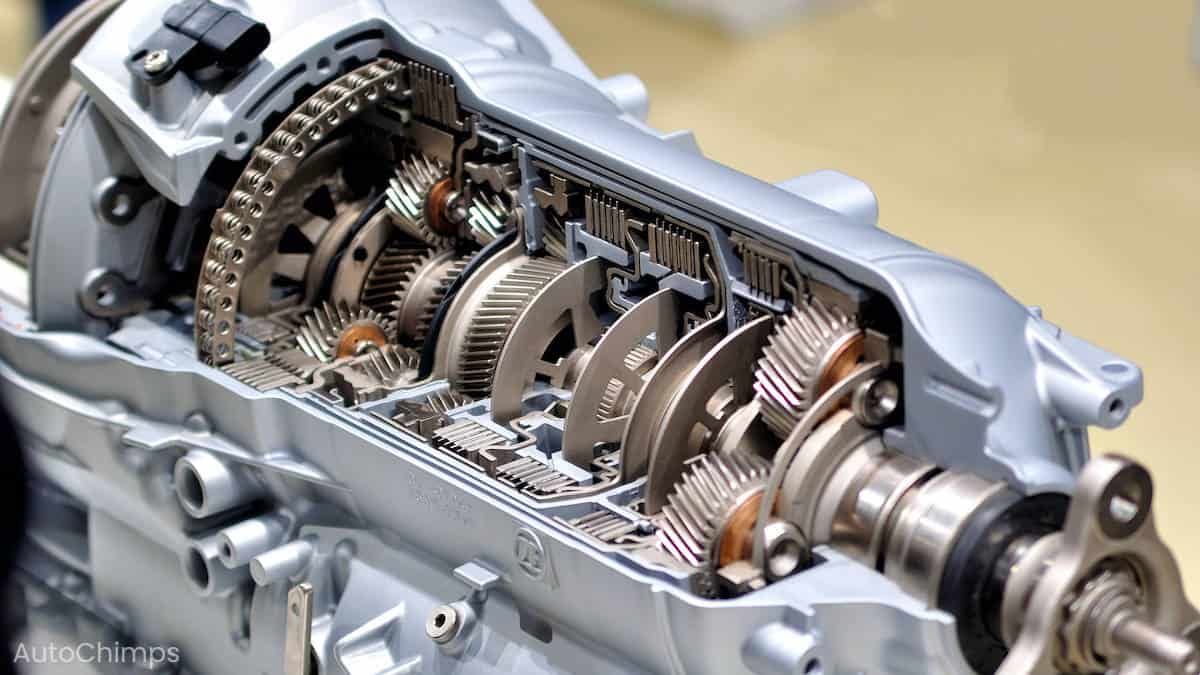
Determining the cost of a transmission for a car is a complex calculation, deeply interwoven with vehicle type, transmission type, and the source of the replacement (new, remanufactured, or used). For automotive professionals, understanding these factors is critical for accurate diagnostics, repair estimates, and informed customer consultation.
Factors Influencing Transmission Cost
The core cost drivers behind a transmission replacement are multifaceted. They begin with the transmission type. A simple four-speed automatic transmission found in an older, less complex vehicle will naturally be far cheaper than a modern eight-speed automatic with advanced shift strategies and integrated electronic control units (ECUs). Continuously Variable Transmissions (CVTs), known for their fuel efficiency, often present a different cost profile due to their unique belt-and-pulley design and specialized fluids.
New transmissions command the highest price, offering the assurance of factory-fresh components and a full manufacturer's warranty. However, they are often only available for relatively new vehicle models or high-demand applications. Remanufactured transmissions, rebuilt to original specifications by specialized facilities, strike a balance between cost and reliability. These units typically undergo rigorous testing and component replacement, offering a significant cost reduction compared to new units while still providing a warranty. Used transmissions, sourced from salvage yards or donor vehicles, represent the lowest-cost option, but come with inherent risks. Their history is often unknown, and the likelihood of future issues is significantly higher. Choosing a used transmission necessitates careful inspection for signs of damage or wear, and a comprehensive understanding of its origin.
Vehicle specifics also play a crucial role. Luxury vehicles and performance cars typically utilize more robust and technologically advanced transmissions, driving up costs. Drivetrain configuration (front-wheel drive, rear-wheel drive, all-wheel drive) further influences transmission design and complexity, impacting the final price. The vehicle's year, make, and model are essential for accurate part identification and pricing.
Cost Breakdown and Considerations
Beyond the cost of the transmission itself, several other factors contribute to the overall expense of a transmission replacement: labor costs, fluid costs, and ancillary component replacement. Labor rates vary significantly by region and shop, but transmission replacement is a labor-intensive process requiring specialized tools and expertise. The cost of transmission fluid can also add up, especially for vehicles requiring synthetic or specialized fluids. During a transmission replacement, it's often prudent to replace related components, such as the transmission cooler, filter, and seals, to ensure optimal performance and prevent future issues. These preventative measures can add to the initial cost but save time and money in the long run.
Alternatives and Comparisons
Instead of a complete transmission replacement, alternative solutions may be viable depending on the severity of the problem. A transmission rebuild, where the existing transmission is disassembled, inspected, and repaired with new or refurbished parts, can be a cost-effective option for minor issues. However, a rebuild may not be suitable for transmissions with extensive damage or wear. A transmission repair, addressing specific issues without a complete overhaul, offers the most targeted and potentially cheapest solution. However, its suitability depends on the specific nature of the problem.
The pros of a new transmission are maximum reliability and a comprehensive warranty. The cons are the highest cost. Remanufactured transmissions offer a good balance between cost and reliability, with a decent warranty. Used transmissions provide the lowest cost but come with the highest risk and minimal warranty. A rebuild offers a cost-effective solution for minor issues but may not be suitable for extensive damage. A repair is the cheapest for specific problems but its appropriateness is highly dependent on the nature of the failure.
Reliability, Maintenance, and Future Trends
The reliability of a transmission is heavily influenced by maintenance practices. Regular fluid changes at the recommended intervals are crucial for extending transmission life. Avoiding harsh driving habits, such as aggressive acceleration and towing beyond the vehicle's capacity, can also significantly reduce wear and tear. Promptly addressing any signs of transmission issues, such as slipping gears or unusual noises, can prevent minor problems from escalating into major failures.
The automotive industry is undergoing rapid electrification, with electric vehicles (EVs) utilizing single-speed transmissions or reduction gears. As EV adoption increases, the demand for traditional automatic and manual transmissions will likely decrease. However, hybrid vehicles, which combine internal combustion engines with electric motors, will continue to rely on transmissions for the foreseeable future. The development of more efficient and durable transmissions, incorporating lightweight materials and advanced control systems, will remain a key focus for automakers. Furthermore, the increasing complexity of modern transmissions necessitates specialized diagnostic tools and training for automotive technicians. The future of transmission repair will require a blend of mechanical skills and electronic expertise.
Forward-Looking Note
The automotive industry is at a pivotal moment, balancing the demands of internal combustion engines with the rapid rise of electric vehicles. Understanding the nuances of transmission technology, cost considerations, and evolving trends is essential for automotive professionals to navigate this changing landscape and provide valuable service to their customers. As technology advances, continuous learning and adaptation will be crucial for success in the automotive repair industry.