
How Much For Brakes And Rotors Replacement
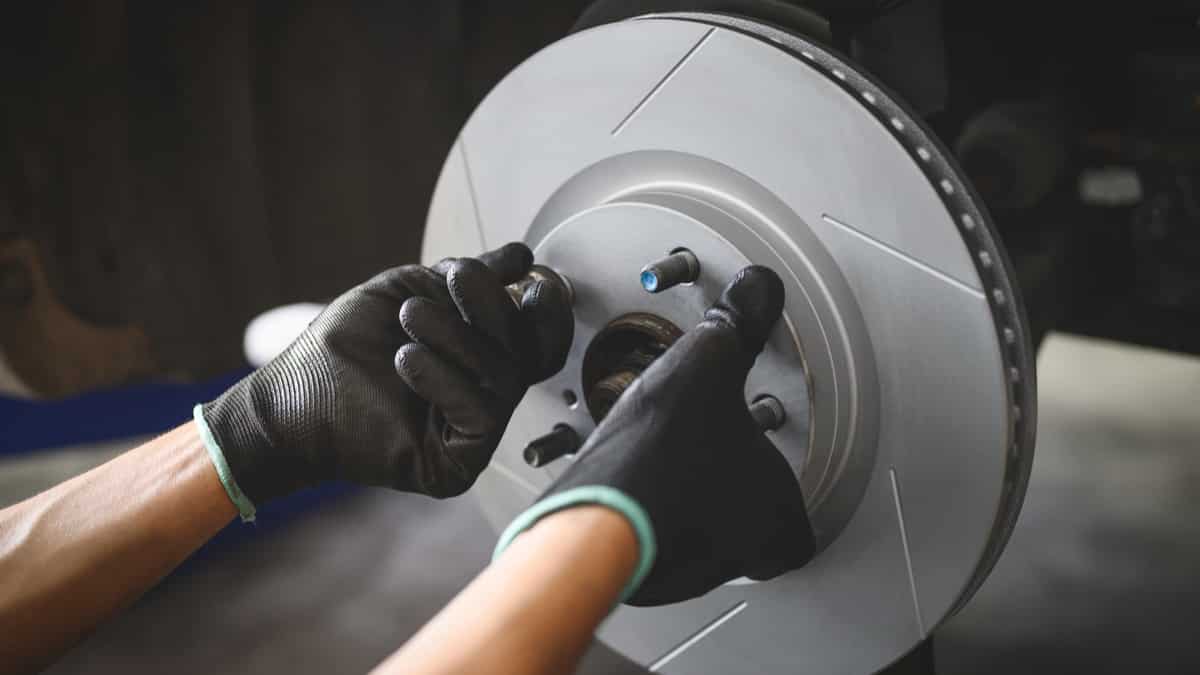
Brakes. The unsung heroes of driving. We stomp on them, rely on them, and often completely forget about them until that dreaded screeching sound pierces the radio silence. But just how much does it cost to keep these crucial components in tip-top shape? The answer, as with most things automotive, is: it depends.
Factors Influencing Brake and Rotor Replacement Costs
Several factors contribute to the final price of your brake job. Let's break them down:
- Vehicle Model: A base model Honda Civic will undoubtedly be cheaper to service than a Porsche 911 Turbo S. High-performance vehicles demand higher-quality, often more specialized, parts.
- Engine/Drivetrain: Larger, more powerful engines often necessitate larger brakes. All-wheel drive systems can sometimes complicate the process, requiring more labor.
- Brake Technology: Are you rocking standard steel rotors and pads, or do you have fancy carbon-ceramic brakes? The latter will significantly impact your wallet. Also, electronic parking brakes can add complexity to the rear brake job.
- Parts Quality: Aftermarket options abound, ranging from budget-friendly to track-ready. OEM (Original Equipment Manufacturer) parts are typically more expensive but offer guaranteed fitment and performance.
- Labor Rates: Labor costs vary wildly depending on your location and the shop you choose. Dealerships generally charge more than independent mechanics.
- DIY vs. Professional: Tackling the job yourself can save a significant amount on labor, but requires the right tools, knowledge, and a healthy dose of patience.
Case Studies: Brake Job Cost Comparisons
Let's look at some real-world examples to illustrate the price differences. We'll consider a front brake pad and rotor replacement (both sides) unless otherwise noted.
Example 1: Honda Civic (2018) - Standard Brakes
| Part | OEM Price (Estimate) | Aftermarket Price (Estimate) |
|---|---|---|
| Rotors (Pair) | $150 - $250 | $80 - $180 |
| Brake Pads (Set) | $80 - $120 | $40 - $80 |
| Labor (Estimate) | $150 - $300 | $100 - $250 |
| Total (Estimate) | $380 - $670 | $220 - $510 |
Driving Impressions: The Honda Civic's standard brakes are perfectly adequate for everyday driving. Aftermarket options can offer similar performance at a lower price point.
Example 2: BMW 3 Series (2020) - M Sport Brakes
| Part | OEM Price (Estimate) | Aftermarket Price (Estimate) |
|---|---|---|
| Rotors (Pair) | $300 - $500 | $180 - $350 |
| Brake Pads (Set) | $150 - $250 | $80 - $150 |
| Labor (Estimate) | $200 - $400 | $150 - $350 |
| Total (Estimate) | $650 - $1150 | $410 - $850 |
Driving Impressions: The M Sport brakes on the BMW 3 Series offer superior stopping power compared to the Civic. Aftermarket options can provide good performance, but be sure to choose reputable brands.
Example 3: Tesla Model 3 (2023) - Regenerative Braking (Rear Brakes)
Tesla Model 3 brake jobs are slightly different due to regenerative braking, which significantly reduces wear on the brake pads and rotors. As a result, rear brake jobs are more common because the electronic parking brake can seize. Because of the use of regenerative breaking most vehicles don't need a front brake job within the first 100,000 miles.
| Part | OEM Price (Estimate) | Aftermarket Price (Estimate) |
|---|---|---|
| Rotors (Pair) | $250 - $400 | $150 - $300 |
| Brake Pads (Set) | $120 - $200 | $60 - $120 |
| Labor (Estimate) | $250 - $500 | $180 - $400 |
| Total (Estimate) | $620 - $1100 | $390 - $820 |
Driving Impressions: Regenerative braking extends the life of the friction brakes, but eventually, they will need replacement. Consider a shop familiar with electric vehicle brake systems.
DIY vs. Professional Installation
Changing your own brakes can save money, but it's not for everyone. Consider these pros and cons:
- DIY Pros:
- Significant cost savings.
- Satisfaction of doing it yourself.
- Opportunity to learn about your car.
- DIY Cons:
- Requires tools and mechanical knowledge.
- Potential for mistakes and safety risks.
- Time commitment.
- Professional Pros:
- Guaranteed workmanship.
- Expert diagnosis and repair.
- Convenience.
- Professional Cons:
- Higher cost.
- Potential for upselling unnecessary services.
Choosing the Right Parts
The market is flooded with brake parts, so how do you choose? Here are some tips:
- Read Reviews: See what other owners have to say about different brands and models.
- Consider Your Driving Style: If you drive aggressively, invest in higher-performance pads and rotors.
- OEM vs. Aftermarket: OEM parts offer guaranteed fitment and performance, but aftermarket options can be more affordable.
- Don't Skimp on Quality: Brakes are a critical safety component. Don't buy the cheapest parts you can find.
Final Thoughts
Brake and rotor replacement costs vary widely depending on your vehicle, driving style, and parts choices. Do your research, compare quotes from different shops, and don't be afraid to ask questions. Keeping your brakes in good condition is essential for your safety and the safety of others on the road.
A Fun Note: Let's spark some debate! Are drilled and slotted rotors worth the extra cost for street cars, or are they purely for aesthetics? Let us know your thoughts in the comments below!