
How Much Oil Does A 2014 Chevy Equinox Take
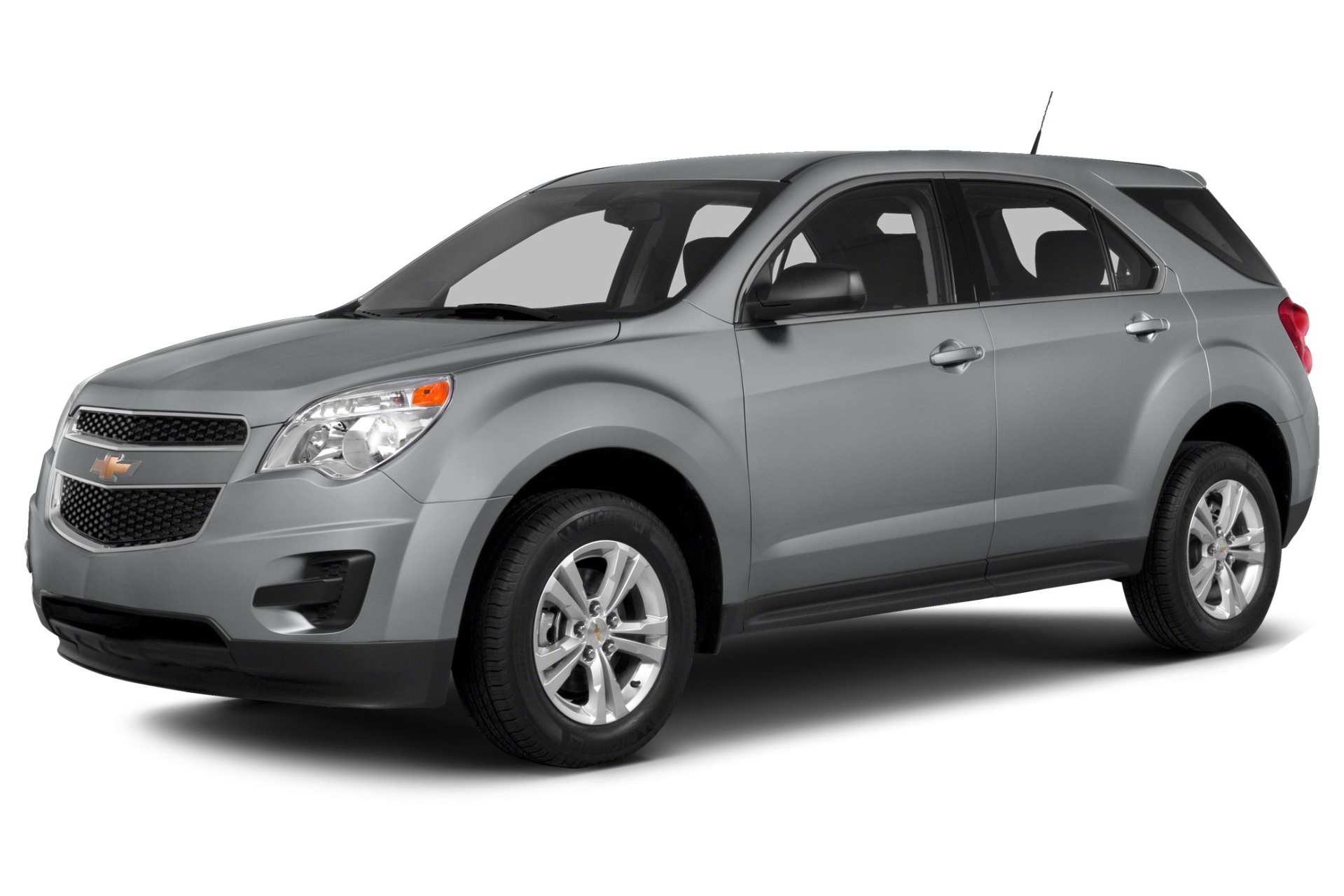
Understanding the oil capacity of your vehicle is crucial for maintaining its engine health and longevity. For the 2014 Chevrolet Equinox, the oil capacity isn't a one-size-fits-all answer; it depends on the engine under the hood. This article delves into the specifics of oil capacity for the 2014 Equinox, exploring the different engine options and the factors influencing the amount of oil required. We'll also discuss the importance of using the correct type of oil and the potential consequences of overfilling or underfilling your engine.
Engine Options and Oil Capacity
The 2014 Chevrolet Equinox came with two primary engine choices:
- 2.4L Ecotec Inline-4 Engine: This engine was the more common and fuel-efficient option.
- 3.6L V6 Engine: Offered for drivers seeking more power and towing capability.
The oil capacity differs significantly between these two engines. Getting this right is paramount for efficient lubrication and avoiding potential engine damage.
2.4L Ecotec (Inline-4) Engine Oil Capacity
The 2.4L Ecotec engine in the 2014 Equinox typically requires approximately 5 quarts (4.7 liters) of oil when performing a standard oil and filter change. This value is crucial, but it's always a good idea to consult your owner's manual for the definitive specification for your specific vehicle. Minor variations can occur depending on the exact trim level or regional specifications.
It's important to note that this capacity includes the oil filter. The oil filter itself holds a small amount of oil (typically a few ounces), so draining the old filter and replacing it with a new, pre-lubricated filter is an integral part of the oil change process. Failing to do so can lead to inaccurate oil level readings and potentially compromise engine lubrication during startup.
Why this capacity? The 2.4L Ecotec is a relatively compact engine. Its smaller size translates to smaller oil galleries and less overall volume requiring lubrication. The 5-quart capacity is carefully calibrated to ensure adequate oil pressure and flow to all critical engine components, including the crankshaft, connecting rods, pistons, camshafts, and valve train. Overfilling, even slightly, can have negative consequences (discussed later).
3.6L V6 Engine Oil Capacity
The 3.6L V6 engine, being a larger and more powerful engine, naturally requires more oil. The 2014 Equinox equipped with the 3.6L V6 engine generally requires approximately 6 quarts (5.7 liters) of oil during an oil and filter change. Again, verify this information with your owner's manual for absolute accuracy.
The V6 engine's increased size and more complex design necessitate a larger oil capacity. It has more cylinders, larger bearings, and generally increased surface area requiring lubrication compared to the inline-4. The extra quart of oil ensures adequate lubrication and helps dissipate heat more effectively, which is crucial for a higher-output engine.
Understanding the difference: The jump from 5 quarts to 6 quarts might seem small, but it's a significant difference in terms of engine performance and longevity. Attempting to use only 5 quarts in the V6 engine would almost certainly lead to oil starvation and premature wear. Conversely, overfilling the inline-4 with 6 quarts can create other problems.
The Importance of Using the Correct Oil Type
Knowing the correct oil capacity is only half the battle. Using the correct type of oil is equally critical. For the 2014 Chevrolet Equinox, both engine options typically require SAE 5W-30 engine oil that meets the dexos1™ Gen 2 specification. This specification is important because it ensures the oil meets GM's stringent requirements for engine protection, fuel efficiency, and emissions control.
Why 5W-30? The 5W-30 designation refers to the oil's viscosity, which is its resistance to flow. The "5W" indicates the oil's viscosity at cold temperatures (the "W" stands for winter). A lower number indicates that the oil will flow more easily in cold weather, which is important for ensuring adequate lubrication during engine startup. The "30" indicates the oil's viscosity at operating temperature (typically 100°C or 212°F). A higher number indicates that the oil will maintain its viscosity and provide adequate lubrication at higher temperatures.
Using an oil with the wrong viscosity can have several negative consequences. Too thin, and the oil won't provide adequate protection to engine parts. Too thick, and the oil won't flow as well, leading to increased friction and reduced fuel efficiency.
dexos1™ Gen 2: This GM specification ensures that the oil meets specific performance standards for engine cleanliness, oxidation resistance, and wear protection. Using a dexos1™ Gen 2 approved oil is highly recommended to maintain your engine's warranty and ensure optimal performance.
Synthetic vs. Conventional Oil: While both synthetic and conventional oils can meet the 5W-30 and dexos1™ Gen 2 specifications, synthetic oils generally offer superior performance and protection. Synthetic oils are more resistant to breakdown at high temperatures, provide better cold-weather performance, and offer improved engine cleanliness. Many owners of 2014 Equinoxes choose to use synthetic oil for these reasons, extending their oil change intervals slightly.
Consequences of Overfilling or Underfilling
Maintaining the correct oil level is paramount for engine health. Overfilling or underfilling can both lead to serious problems.
Overfilling
Overfilling the engine with oil can cause the crankshaft to churn the oil, creating excessive aeration or foaming. This aerated oil is less effective at lubricating engine parts and can lead to:
- Reduced oil pressure
- Increased engine temperature
- Damage to seals and gaskets (due to increased pressure)
- Potential engine damage due to inadequate lubrication
- In some cases, the aerated oil can even be forced past seals and into the combustion chamber, leading to increased oil consumption and potentially damaging the catalytic converter.
Underfilling
Underfilling the engine with oil is equally detrimental. Insufficient oil can lead to:
- Oil starvation, particularly during hard acceleration or cornering
- Increased friction and wear on engine parts
- Overheating
- Potential engine seizure
Checking the Oil Level: After performing an oil change, or regularly between changes, it's crucial to check the oil level using the dipstick. Ensure the vehicle is parked on a level surface and that the engine is cool. Remove the dipstick, wipe it clean, reinsert it fully, and then remove it again to get an accurate reading. The oil level should be between the "min" and "max" marks on the dipstick.
Important Reminder: Always consult your 2014 Chevrolet Equinox owner's manual for the most accurate and up-to-date information regarding oil capacity and oil type. This article provides general guidance, but the owner's manual is the definitive source for your specific vehicle.