
How Much Oil Does A 2015 Nissan Altima Take
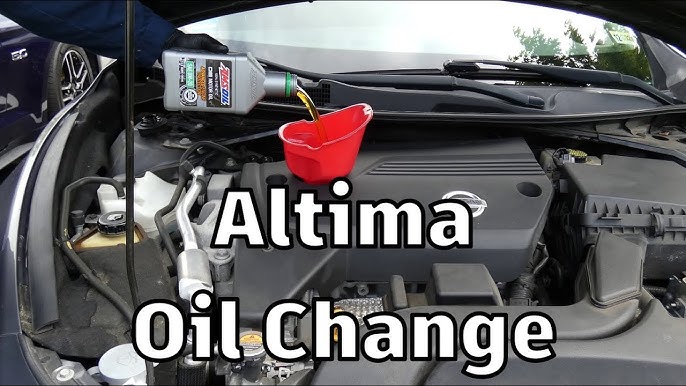
Understanding the precise oil capacity of a 2015 Nissan Altima is crucial for proper engine maintenance and longevity. Overfilling or underfilling can lead to significant engine damage. This article will delve into the specifics of the 2015 Altima's oil requirements, exploring the underlying engineering considerations and offering comparisons with alternative vehicles.
2015 Nissan Altima: Engine Options and Oil Capacity
The 2015 Nissan Altima was offered with two engine options: a 2.5-liter inline-4 (QR25DE) and a 3.5-liter V6 (VQ35DE). The oil capacity varies depending on the engine type. The 2.5-liter engine typically requires 4.8 quarts (4.5 liters) of oil with a filter change. The 3.5-liter engine, on the other hand, needs approximately 5.4 quarts (5.1 liters) with a filter change. Always double-check the owner's manual for the most accurate and up-to-date information specific to your vehicle's VIN.
Engineering Considerations
The specific oil capacity is determined by several engineering factors, including the engine's internal volume, the size and type of the oil pan, and the oil pump's capacity. These factors ensure adequate lubrication to all critical engine components, such as the crankshaft, connecting rods, camshaft, and pistons. The QR25DE engine, being a smaller displacement engine, naturally requires less oil than the VQ35DE. The design of the oil pan is crucial for maintaining a sufficient oil supply even during aggressive driving maneuvers, preventing oil starvation.
The oil filter also plays a significant role. Replacing the oil filter with each oil change ensures optimal filtration and prevents contaminants from circulating within the engine. The specified oil capacity accounts for the oil that fills the filter housing after installation. Using a high-quality oil filter, such as a Nissan OEM filter or a reputable aftermarket brand, is highly recommended.
Real-World Performance and Oil Selection
The 2015 Nissan Altima typically recommends using SAE 0W-20 or 5W-30 synthetic or semi-synthetic oil, depending on the climate and driving conditions. Synthetic oils offer superior performance characteristics, including better thermal stability, improved cold-start protection, and enhanced resistance to oxidation. Using the recommended oil viscosity is vital for maintaining proper oil pressure and ensuring optimal engine lubrication. In colder climates, 0W-20 is preferred due to its lower viscosity at low temperatures, facilitating easier engine starting. Under heavier driving conditions or in warmer climates, 5W-30 may be more suitable.
Regular oil changes are paramount for maintaining the Altima's engine health. Nissan typically recommends oil changes every 7,500 miles (12,000 kilometers) or 6 months under normal driving conditions. However, under severe driving conditions, such as frequent stop-and-go traffic, towing, or extreme temperatures, more frequent oil changes are advised. Monitoring the oil level regularly is also crucial, especially between oil changes. A low oil level can quickly lead to engine damage.
Comparison with Alternatives
Compared to other mid-size sedans of the same model year, such as the Toyota Camry or Honda Accord, the 2015 Nissan Altima's oil capacity is fairly typical. The Camry's 2.5-liter engine also utilizes approximately 4.6 quarts, while the Accord's 2.4-liter engine requires around 4.5 quarts. The V6 versions of these competitors exhibit similar oil capacity requirements.
Pros: The Altima's engine options provide a good balance of performance and fuel economy. The recommended oil viscosities are widely available and relatively affordable. The oil change intervals are reasonable under normal driving conditions.
Cons: The QR25DE engine has been known to exhibit some issues with excessive oil consumption in certain cases. Regular monitoring of the oil level is crucial to mitigate this potential problem. Some owners have reported issues with the CVT transmission, although this is not directly related to the engine oil.
Reliability Aspects and Maintenance Tips
To ensure the longevity of your 2015 Nissan Altima's engine, adhere to the following maintenance tips:
- Use the manufacturer-recommended oil viscosity and type.
- Replace the oil and filter at the recommended intervals.
- Regularly check the oil level and top off as needed.
- Inspect the engine for any signs of leaks.
- Consider using a synthetic oil for improved performance and protection.
Addressing any potential oil leaks promptly is essential. Leaks can lead to reduced oil levels and potential engine damage. Common leak locations include the valve cover gasket, oil pan gasket, and crankshaft seals.
Future Trends
The automotive industry is rapidly evolving towards electric vehicles (EVs) and hybrid powertrains. As such, traditional internal combustion engines are becoming increasingly efficient and technologically advanced. Future iterations of the Altima, as well as other vehicles, may incorporate features such as variable oil pumps and improved oil filtration systems to further enhance fuel economy and reduce emissions. Synthetic oils are becoming the norm due to their superior performance characteristics and longer service intervals.
Furthermore, the increasing use of sensors and onboard diagnostics is enabling more sophisticated oil monitoring systems. These systems can track oil quality, temperature, and pressure, providing real-time feedback to the driver and alerting them to potential problems before they escalate.
Conclusion
Properly maintaining the engine oil in a 2015 Nissan Altima is vital for ensuring its reliability and longevity. Understanding the specific oil capacity requirements, selecting the appropriate oil viscosity, and adhering to recommended maintenance intervals are crucial. While the Altima offers a dependable powertrain, proactive maintenance and regular monitoring of the oil level are essential for preventing potential issues. As the automotive industry continues to evolve, advancements in oil technology and monitoring systems will further enhance engine performance and durability. The move towards electric vehicles doesn't diminish the importance of understanding internal combustion engine maintenance for the vehicles still on the road; rather, it reinforces the need for skilled automotive professionals who can service both current and future technologies. The automotive professional's role in educating vehicle owners about preventative maintenance will become even more important in the years to come.