
How Much To Replace Electric Car Batteries
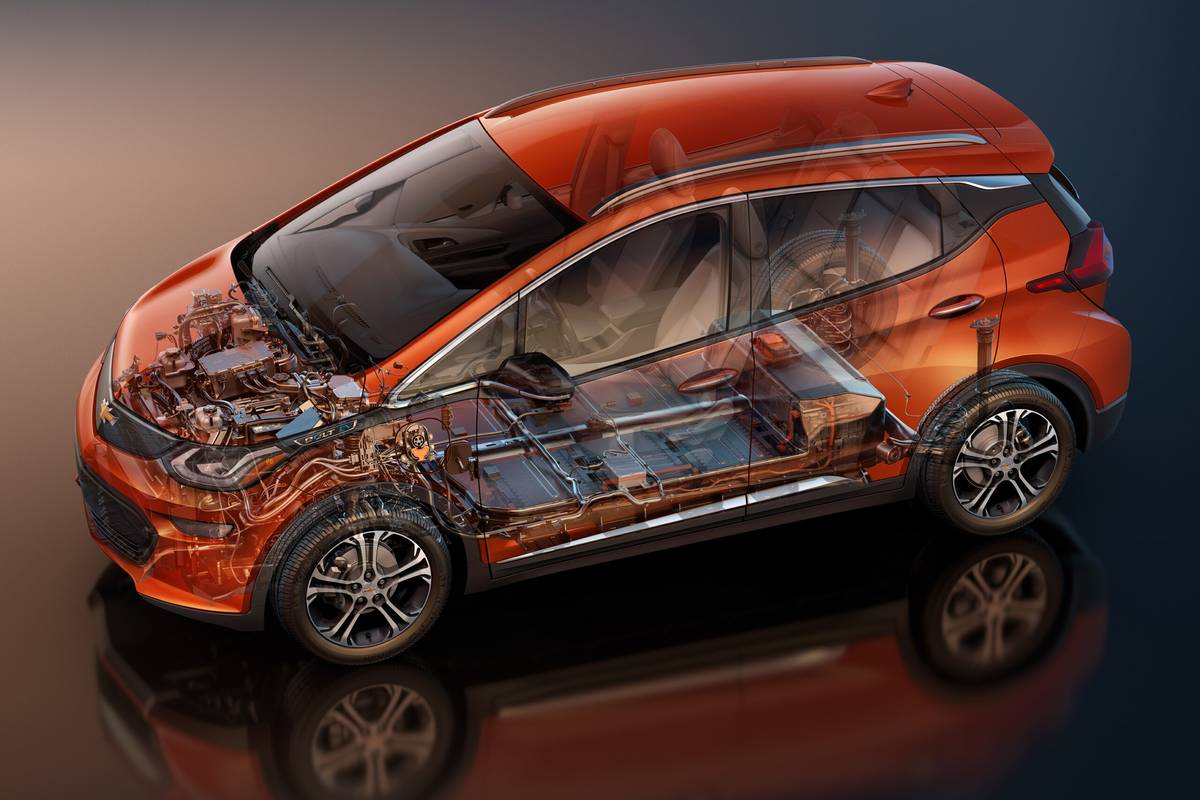
Replacing the battery pack in an electric vehicle (EV) is a significant expense, and understanding the factors that influence the cost is crucial for EV owners and those considering making the switch. This article dives into the intricacies of EV battery replacement costs, exploring the variables at play and offering insights into extending battery lifespan.
Factors Affecting EV Battery Replacement Cost
Several key elements determine the final cost of replacing an EV battery. These include:
- Battery Pack Size (kWh): Larger battery packs, offering greater range, naturally cost more to replace. The price is often quoted per kilowatt-hour (kWh), a unit of energy storage capacity. For instance, a 100 kWh battery will be significantly more expensive than a 50 kWh battery.
- Battery Chemistry: Different battery chemistries impact cost. Lithium-ion batteries are the most common, but within that category, variations exist. Lithium Iron Phosphate (LFP) batteries are generally less expensive than Nickel Manganese Cobalt (NMC) batteries, though each has its own performance characteristics in terms of energy density and lifespan. Solid-state batteries, when they become commercially viable, are expected to have a different pricing structure.
- Vehicle Manufacturer and Model: Each manufacturer has its own battery supply chain and pricing policies. The complexity of the battery integration into the vehicle's overall system also plays a role. Some models require more specialized labor for battery replacement than others. Tesla, for example, has its own proprietary battery technology and service network, which affects its replacement costs.
- Labor Costs: Replacing an EV battery is not a simple task. It requires specialized tools, trained technicians, and adherence to safety protocols due to the high voltage involved. Labor costs can vary significantly depending on the location and the service center performing the work. Independent EV repair shops might offer competitive pricing compared to dealership service centers.
- Battery Availability and Supply Chain: Global supply chain disruptions can impact the availability of replacement batteries and drive up prices. Scarcity of raw materials like lithium and cobalt also contribute to price fluctuations.
- Warranty Coverage: Many EV manufacturers offer warranties on their battery packs, typically covering a certain number of years or miles. These warranties often cover defects or significant degradation in battery capacity. Carefully review your warranty terms to determine if battery replacement is covered.
- New vs. Refurbished Batteries: Opting for a refurbished battery can be a more affordable alternative to a brand-new replacement. However, it's crucial to consider the source and warranty of the refurbished battery. A reputable supplier will offer a warranty and guarantee a certain level of performance.
Estimating the Cost: A Range of Possibilities
While providing a precise cost is difficult due to the aforementioned variables, a general estimate for EV battery replacement can range from $5,000 to $20,000. This figure includes the cost of the battery pack itself and the labor required for installation. Lower-end estimates typically apply to smaller battery packs in less expensive EVs, while higher-end estimates relate to larger, more sophisticated batteries in premium vehicles. Some third-party companies quote around $150-$200 per kWh. So, a 75 kWh battery might cost in the range of $11,250-$15,000 for the battery itself.
Extending Battery Life: Proactive Measures
Maximizing the lifespan of your EV battery can postpone, or even eliminate, the need for a replacement. Here are some strategies:
- Avoid Extreme Temperatures: Both extreme heat and extreme cold can negatively impact battery performance and longevity. Park in shaded areas during hot weather and in a garage during cold weather whenever possible.
- Minimize Fast Charging: While convenient, frequent fast charging (DC fast charging) can accelerate battery degradation. Use Level 2 charging (240V) whenever possible for regular charging.
- Maintain a Moderate State of Charge: Avoid consistently charging to 100% or depleting the battery to 0%. Aim to keep the battery charge between 20% and 80% for optimal lifespan.
- Follow Manufacturer Recommendations: Adhere to the manufacturer's recommendations for charging, maintenance, and operating conditions.
- Regular Battery Health Checks: Many EVs provide battery health monitoring features. Use these tools to track battery performance and identify any potential issues early on. Consider using a diagnostic tool to get deeper information about the batteries health.
Conclusion
EV battery replacement is a significant expense, but understanding the factors that influence the cost and implementing strategies to extend battery life can help mitigate this concern. As battery technology advances and production scales up, replacement costs are expected to decline in the future, making EVs even more appealing. By staying informed and proactive, EV owners can enjoy the benefits of electric mobility while minimizing potential long-term ownership costs.