
How Often Should Ignition Coils Be Changed
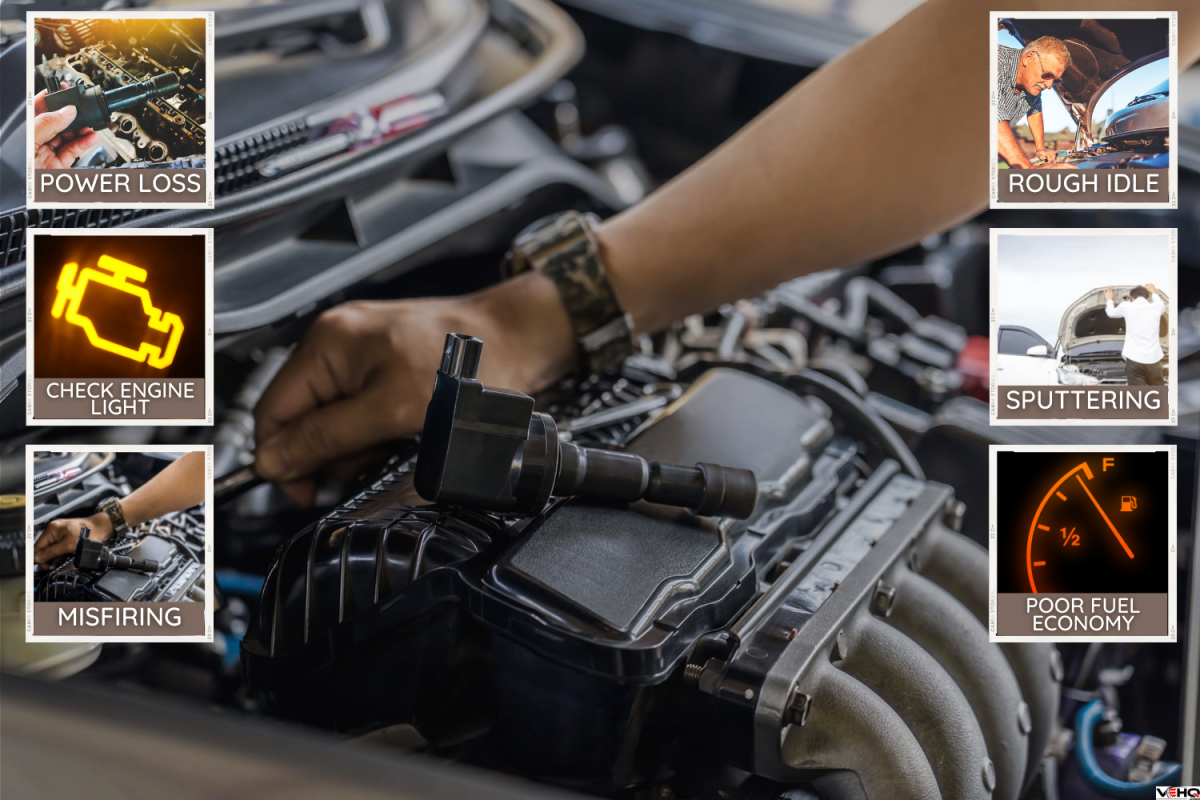
The ignition coil, a vital component of your vehicle's ignition system, plays a crucial role in starting and running your engine. It transforms the low voltage from your car's battery into the high voltage needed to create a spark at the spark plugs, igniting the air-fuel mixture within the cylinders. Understanding how often to change these coils is essential for maintaining optimal engine performance, fuel efficiency, and preventing costly breakdowns.
Factors Influencing Ignition Coil Lifespan
Unlike some components with a fixed replacement interval, there isn't a universally mandated replacement schedule for ignition coils. Their lifespan is influenced by several factors, making preventative maintenance and attentive observation key.
- Driving Habits: Frequent short trips, aggressive acceleration, and prolonged idling can put extra strain on the ignition system, potentially shortening coil life.
- Engine Condition: An engine with poor compression, vacuum leaks, or other mechanical issues forces the ignition system to work harder, accelerating wear on the coils.
- Spark Plug Condition: Worn or incorrectly gapped spark plugs demand more voltage from the coils. This overworks the coils and leads to premature failure. Consider replacing your spark plugs as recommended by your vehicle's manufacturer (usually every 30,000 to 100,000 miles).
- Environmental Factors: Extreme temperatures, humidity, and exposure to road salt can degrade the coil's insulation and internal components.
- Coil Quality: The quality of the ignition coil itself is a significant factor. Aftermarket coils, while often cheaper, may not match the durability or performance of OEM (Original Equipment Manufacturer) coils.
Recognizing the Symptoms of Failing Ignition Coils
Instead of relying solely on a mileage-based schedule, paying attention to the symptoms of failing ignition coils is the most practical approach. Common signs include:
- Engine Misfires: This is the most common symptom. A misfire occurs when one or more cylinders fail to ignite properly, resulting in a rough idle, hesitation during acceleration, and a noticeable loss of power. The Check Engine Light will often illuminate.
- Rough Idling: A failing coil can cause the engine to idle erratically, vibrating excessively.
- Reduced Fuel Efficiency: When a cylinder isn't firing correctly, the engine consumes more fuel to compensate. This results in a noticeable decrease in gas mileage.
- Difficulty Starting: A weak or failing coil may not provide sufficient spark to ignite the fuel-air mixture, leading to extended cranking or difficulty starting the engine.
- Check Engine Light (CEL): The CEL will often illuminate, storing diagnostic trouble codes (DTCs) related to misfires (P0300-P0304, etc.) or ignition coil performance. Use an OBD-II scanner to retrieve these codes.
The Diagnostic Process and Replacement Strategies
When you suspect a faulty ignition coil, a proper diagnosis is essential before replacement. Here's a typical process:
- Retrieve Diagnostic Trouble Codes (DTCs): Use an OBD-II scanner to identify misfire codes or codes related to specific coils.
- Visual Inspection: Check the coils for any visible signs of damage, such as cracks, swelling, or corrosion.
- Coil Swapping: If a specific cylinder misfire is indicated, swap the ignition coil from that cylinder with a coil from a known good cylinder. Clear the DTCs and restart the engine. If the misfire follows the coil, the coil is likely faulty.
- Multimeter Testing: A multimeter can be used to measure the coil's primary and secondary resistance. Compare the readings to the manufacturer's specifications.
Regarding replacement strategies, there are two primary approaches:
- Replace Individual Coils: This is the most common approach when only one coil is failing. However, if one coil has failed, the others are likely nearing the end of their lifespan as well.
- Replace All Coils Simultaneously: This is often recommended, especially if the vehicle has high mileage or if multiple coils are showing signs of weakness. Replacing all coils ensures consistent ignition performance and prevents future failures. While more expensive upfront, it can save time and labor costs in the long run. Furthermore, consider replacing spark plugs at the same time for optimal results.
In Conclusion
While there's no definitive mileage-based replacement interval for ignition coils, proactive maintenance and attentive observation are crucial. Pay attention to the symptoms mentioned above, perform regular inspections, and address any issues promptly. Consider replacing all coils simultaneously when one fails, especially on higher-mileage vehicles, to ensure optimal engine performance and reliability. Remember to always consult your vehicle's service manual for specific recommendations and torque specifications.