
How Often Should The Engine Oil Be Changed
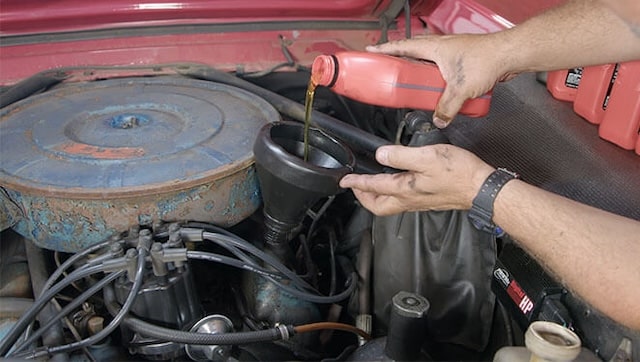
Engine oil, the lifeblood of your car, plays a crucial role in keeping everything running smoothly. It lubricates moving parts, reduces friction, cools components, cleans away debris, and protects against corrosion. But just like any fluid in your car, engine oil degrades over time. Understanding how often to change your oil is paramount for maintaining engine health and longevity.
Why Does Oil Need Changing?
Engine oil isn't just a passive lubricant; it's constantly working under harsh conditions. Here's a breakdown of why it degrades:
- Thermal Breakdown: High engine temperatures cause the oil to thin out and lose its viscosity. Think of it like cooking oil that gets repeatedly heated – it becomes thinner and less effective.
- Oxidation: Exposure to oxygen causes the oil to react and form sludge. This sludge thickens the oil, hindering its ability to flow and lubricate effectively.
- Contamination: Combustion byproducts, like soot and unburnt fuel, contaminate the oil. These contaminants act like tiny abrasives, accelerating wear on engine parts. Over time, these byproducts can lead to increased friction and reduced engine efficiency.
- Additive Depletion: Modern engine oils are packed with additives that enhance their performance. These additives, such as detergents, dispersants, and anti-wear agents, are consumed over time, reducing the oil's ability to protect your engine. For example, detergents help to keep engine components clean by neutralizing acids and preventing deposits, while dispersants keep contaminants suspended in the oil, preventing them from clumping together and forming sludge.
- Shear Breakdown: The mechanical action of the engine can physically break down the long-chain polymers in the oil, reducing its viscosity. This is particularly relevant in high-performance engines where the oil is subjected to intense shearing forces.
As oil degrades, its ability to protect your engine diminishes, leading to increased wear, reduced performance, and potentially costly repairs.
The "3,000 Mile Myth" and Modern Recommendations
For years, the widely accepted standard was to change your oil every 3,000 miles. However, with advancements in engine technology and oil formulations, this recommendation is often outdated. While it's certainly better to change your oil too often than not often enough, sticking rigidly to 3,000 miles in many modern vehicles is simply unnecessary and wasteful.
Modern car manufacturers typically recommend oil change intervals ranging from 5,000 to 10,000 miles. Some vehicles, particularly those using synthetic oils and equipped with oil life monitoring systems, can even go longer between changes. For instance:
- Honda: Many modern Hondas, such as the Civic and CR-V, equipped with synthetic oil and oil life monitoring systems, can often go 7,500 miles or more between oil changes. The oil life monitoring system takes into account factors like driving conditions and engine load to determine when an oil change is needed.
- Toyota: Toyota models like the Camry and Corolla often recommend oil changes every 10,000 miles when using synthetic oil. They typically have a service minder system that alerts the driver when maintenance is due.
- BMW: BMW, especially models equipped with synthetic oil and advanced engine management systems, may have oil change intervals of 10,000 miles or even longer, depending on driving conditions.
Always consult your owner's manual for the manufacturer's recommended oil change interval. This is the most reliable source of information for your specific vehicle.
Factors Affecting Oil Change Frequency
While the manufacturer's recommendation is a good starting point, several factors can influence how often you should change your oil:
- Driving Habits: Severe driving conditions, such as frequent short trips, stop-and-go traffic, towing heavy loads, or driving in extreme temperatures, can accelerate oil degradation. These conditions put more stress on the engine and oil, requiring more frequent changes.
- Oil Type: Synthetic oils generally offer superior performance and longer service life compared to conventional oils. They are more resistant to thermal breakdown and oxidation, allowing for extended oil change intervals.
- Vehicle Age: Older vehicles may have looser engine tolerances and may benefit from more frequent oil changes. As an engine ages, seals can wear, potentially leading to increased oil consumption and contamination.
- Engine Condition: If your engine has any underlying issues, such as leaky seals or excessive blow-by (combustion gases leaking past the piston rings), it may require more frequent oil changes.
Understanding "Severe Driving Conditions"
The term "severe driving conditions" is often mentioned in owner's manuals, but what does it really mean? Here are some common examples:
- Frequent Short Trips: When the engine doesn't have enough time to reach its operating temperature, condensation can form inside, contaminating the oil.
- Stop-and-Go Traffic: Constant acceleration and deceleration put extra strain on the engine and oil.
- Towing or Hauling Heavy Loads: Towing increases engine load and operating temperatures, accelerating oil degradation. Think of a Ford F-150 constantly hauling heavy equipment – it will need more frequent oil changes than one used for light errands.
- Extreme Temperatures (Hot or Cold): Extreme temperatures can affect oil viscosity and its ability to lubricate properly.
- Dusty or Off-Road Conditions: These environments can introduce contaminants into the engine and oil, requiring more frequent changes.
If you regularly drive in any of these conditions, you should consider shortening your oil change interval.
Synthetic vs. Conventional Oil
The choice between synthetic and conventional oil is a significant factor in determining oil change frequency. Here's a simplified breakdown:
- Conventional Oil: This is a mineral oil refined from crude oil. It's generally less expensive but offers less protection and shorter service life than synthetic oil.
- Synthetic Oil: This is a man-made oil formulated for superior performance. It provides better protection against thermal breakdown, oxidation, and wear, allowing for longer oil change intervals. It also performs better in extreme temperatures. Think of it as a higher-performance lubricant designed for demanding conditions.
- Synthetic Blend: A blend of conventional and synthetic oils, offering a balance between cost and performance.
While synthetic oil typically comes with a higher price tag, its superior performance and longer service life can often offset the initial cost. Many modern vehicles, especially those with high-performance engines, require synthetic oil to maintain optimal performance and protect the engine. A BMW M3, for example, will almost certainly require full synthetic oil and following the BMW's condition-based service system.
Practical Takeaways
Here's a summary of practical steps you can take to ensure your engine is properly lubricated:
- Consult Your Owner's Manual: This is the ultimate source of information for your specific vehicle's oil change recommendations.
- Consider Your Driving Habits: If you frequently drive in severe conditions, shorten your oil change interval.
- Choose the Right Oil: Use the oil type and viscosity recommended by the manufacturer. Consider synthetic oil for superior protection and longer service life.
- Monitor Your Oil Level: Regularly check your oil level and top it off as needed. Low oil levels can lead to engine damage.
- Use a Quality Oil Filter: The oil filter removes contaminants from the oil, helping to keep your engine clean. Always use a high-quality filter that meets the manufacturer's specifications.
- Don't Rely Solely on Mileage: Even if you don't reach the recommended mileage interval, change your oil at least once a year, as oil degrades over time even when not in use.
- Consider an Oil Analysis: For high-performance vehicles or those operating under severe conditions, an oil analysis can provide valuable insights into the condition of your oil and engine, helping you optimize your oil change intervals.
By understanding the factors that affect oil degradation and following these practical tips, you can ensure your engine stays properly lubricated and protected, maximizing its lifespan and performance. Regular maintenance, including timely oil changes, is one of the most important things you can do to keep your car running smoothly for years to come.