
How Often Should You Change Your Motor Oil
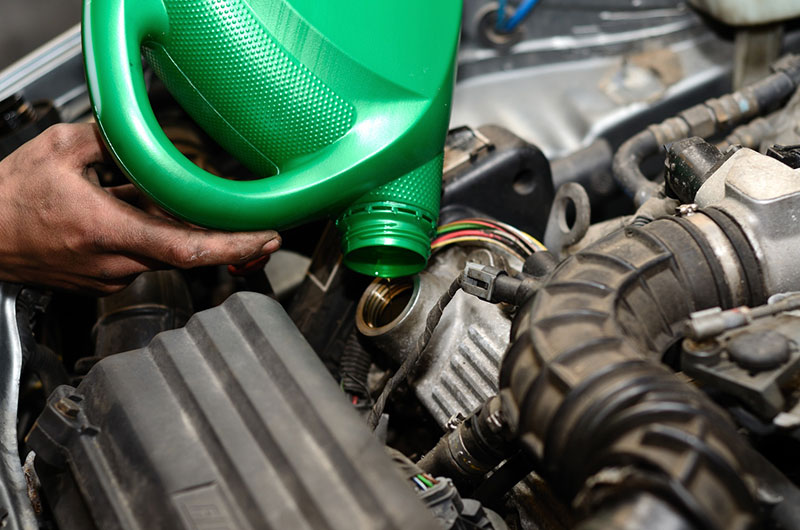
Alright folks, let's talk motor oil. It's the lifeblood of your engine, and knowing how often to change it is crucial for keeping your vehicle running smoothly and avoiding expensive repairs down the road. You might be wondering if you're changing it too often, not often enough, or if those "extended life" oil claims are actually legit. We're going to break it all down for you.
The Million-Dollar Question: How Often?
There's no one-size-fits-all answer, unfortunately. The old rule of thumb was every 3,000 miles or 3 months, but modern engines and oil formulations have changed the game. However, sticking rigidly to that number for every car can lead to either premature changes and wasted money, or neglected maintenance and engine damage.
Consult Your Owner's Manual
The best place to start is always your owner's manual. The manufacturer knows your engine best and will recommend an oil change interval based on its specific design and intended use. Look for the "maintenance schedule" section. You'll likely find two schedules: one for "normal" driving conditions and one for "severe" driving conditions. Understanding which one applies to you is key.
What qualifies as "severe" driving? Well, it's more common than you might think! It typically includes:
- Frequent short trips (less than 5 miles)
- Stop-and-go traffic
- Towing or hauling heavy loads
- Driving in extremely hot or cold weather
- Off-road driving
- Commercial use (taxi, delivery, etc.)
If any of these apply to you regularly, you should probably follow the "severe" service schedule, which usually means more frequent oil changes.
Synthetic vs. Conventional Oil
The type of oil you use also affects the interval. Synthetic oil is generally more durable and resistant to breakdown than conventional oil. This allows for longer intervals, sometimes up to 7,500-10,000 miles or even longer in some cases, as specified by the manufacturer. Again, check your owner's manual; some vehicles require synthetic oil from the factory. Switching from synthetic to conventional in these vehicles can cause issues.
Oil Life Monitoring Systems
Many newer vehicles are equipped with oil life monitoring systems (OLMS). These systems use sophisticated algorithms to track your driving habits and engine conditions, and they estimate the remaining oil life based on factors like mileage, engine load, temperature, and driving style. When the system determines that an oil change is needed, it will alert you on the dashboard.
While these systems are generally reliable, it's still a good idea to check your oil level and condition periodically. The OLMS is an estimator, not a perfect predictor.
Warning Signs: When to Change Your Oil NOW
Even if you're following the recommended interval, there are certain warning signs that indicate you need an oil change immediately:
- Low Oil Level: Check your oil dipstick regularly. If the level is consistently low, you may have a leak or excessive oil consumption.
- Dark, Dirty Oil: Clean oil is golden or amber in color. If your oil is dark and sludgy when you check the dipstick, it's time for a change.
- Gritty Texture: Rub a drop of oil between your fingers. If it feels gritty, it contains contaminants that can damage your engine.
- Burning Oil Smell: A burning oil smell often indicates an oil leak or that oil is being burned in the engine.
- Engine Knocking or Ticking: These noises can indicate that your engine isn't getting enough lubrication.
- Check Engine Light: While the check engine light can indicate many things, it can sometimes be triggered by low oil pressure or other oil-related issues.
If you notice any of these signs, don't delay! Get your oil changed ASAP to prevent serious engine damage.
The DIY Oil Change: A Practical Guide
Changing your own oil can save you money and give you a better understanding of your vehicle. However, it's important to do it properly. Here's a quick overview:
Tools and Materials Needed:
- New oil (check your owner's manual for the correct type and quantity)
- New oil filter (make sure it's the correct one for your vehicle)
- Oil filter wrench
- Wrench for the oil drain plug
- Drain pan
- Funnel
- Jack and jack stands (or ramps)
- Gloves
- Rags or paper towels
- Wheel chocks
Steps:
- Warm up the engine slightly (this helps the oil flow better).
- Secure the vehicle: Engage the parking brake, chock the rear wheels, and lift the front of the vehicle with a jack and jack stands (or use ramps).
- Locate the oil drain plug and position the drain pan underneath.
- Remove the drain plug and let the oil drain completely.
- Remove the old oil filter (use the oil filter wrench if necessary).
- Lightly lubricate the rubber gasket on the new oil filter with fresh oil and screw it on by hand (follow the instructions on the filter for proper tightening).
- Reinstall the drain plug (use a new crush washer if applicable).
- Lower the vehicle.
- Add the correct amount of new oil using a funnel.
- Check the oil level with the dipstick and add more oil if needed.
- Start the engine and let it run for a few minutes, checking for leaks.
- Turn off the engine and check the oil level again.
- Properly dispose of the used oil and filter at a recycling center.
Important Safety Note: Always use jack stands when working under a vehicle. Never rely solely on a jack. Also, be careful when handling hot oil.
Professional Oil Change Costs
If you're not comfortable changing your own oil, a professional oil change is a great option. The cost will vary depending on the type of oil you use and the shop you go to, but here's a general idea:
- Conventional Oil Change: $30 - $75
- Synthetic Blend Oil Change: $50 - $100
- Full Synthetic Oil Change: $75 - $150+
These prices are estimates and can vary. It's always a good idea to get a quote from a few different shops before you commit.
The Bottom Line
Regular oil changes are essential for maintaining your engine's health and longevity. By following the recommendations in your owner's manual, monitoring your driving conditions, and paying attention to the warning signs, you can ensure that your engine gets the lubrication it needs. Whether you choose to do it yourself or take it to a professional, don't neglect this important maintenance task. A few dollars spent on oil changes now can save you thousands in potential repairs later.