
How Often Should You Start A Car In Storage
The question of how often to start a car in storage is a common one, fraught with misconceptions and outdated advice. While the instinct to "keep things moving" seems logical, the reality is more nuanced. Modern vehicles, with their sophisticated electronics and fuel systems, have different needs than their carbureted predecessors. Let's delve into the science behind storage and how to keep your prized possession healthy during its hibernation.
The Perils of Infrequent Starting
The most common reason people start a stored car is to "recharge the battery." While it's true that a sitting battery will slowly discharge, periodic starting might not be the best solution. Short run times often don't allow the alternator sufficient time to fully replenish the battery, leading to a net loss of charge over time. This is especially true if accessories like the radio, climate control, or lights are active. Consider this: starting an engine draws a significant amount of current. If you only run the engine for a few minutes, the alternator will struggle to replace that initial draw, leaving the battery weaker than before. This can lead to sulfation, the formation of lead sulfate crystals on the battery plates, reducing its capacity and lifespan.
Furthermore, short runs can cause condensation to form inside the engine, exhaust system, and fuel tank. This moisture can lead to rust and corrosion, especially in components like the exhaust manifold and catalytic converter. In the fuel tank, condensation can dilute the fuel, potentially leading to starting problems later. Old fuel, especially gasoline with ethanol, can also degrade, forming varnish and gum that can clog fuel injectors and lines. This is why using a fuel stabilizer, like STA-BIL, is crucial before storing a car for any extended period.
The Modern Car's Perspective
Today's vehicles rely heavily on electronic control units (ECUs), sensors, and sophisticated fuel injection systems. Starting and running the engine without allowing it to reach operating temperature can disrupt the ECU's learning process. The ECU constantly monitors and adjusts engine parameters based on sensor data. Repeated cold starts without proper warm-up can lead to inaccurate readings and potentially trigger fault codes. It’s also worth noting that many modern vehicles have complex emissions control systems, including oxygen sensors and catalytic converters. These systems require the engine to reach operating temperature to function effectively. Short run times prevent these systems from reaching their optimal operating range, potentially leading to reduced efficiency and increased emissions.
The Better Approach: Preparation and Maintenance
Instead of periodically starting your stored car, focus on proper preparation before storage and strategic maintenance during the storage period. Here's a breakdown:
- Battery Maintenance: Invest in a battery maintainer, often called a "trickle charger." These devices provide a low, constant current to keep the battery fully charged without overcharging. This is far more effective than intermittent starting.
- Fuel Stabilization: Add a fuel stabilizer to a full tank of fuel before storage. This will prevent fuel degradation and protect the fuel system.
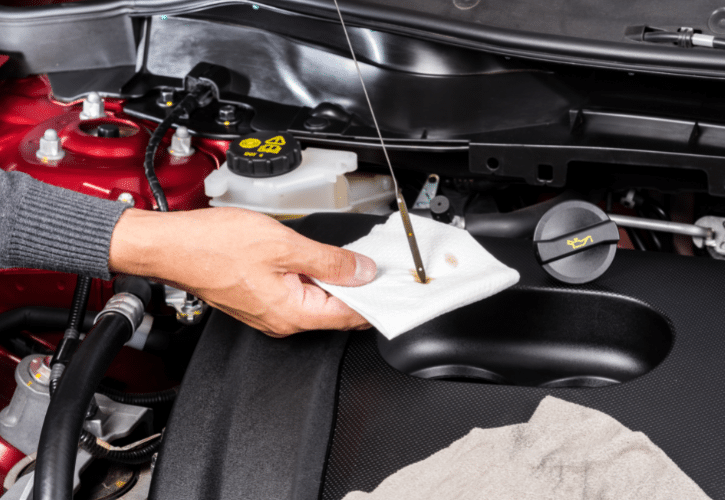
- Fluid Check: Ensure all fluids (oil, coolant, brake fluid, power steering fluid) are at their proper levels. Consider an oil change before storage to remove any contaminants.
- Tire Pressure: Inflate tires to the maximum recommended pressure listed on the sidewall to prevent flat spots.
- Cover the Vehicle: Use a breathable car cover to protect the paint from dust and UV damage.
- Elevate if Possible: If storing for a very long time, consider lifting the car onto jack stands to take the weight off the tires and suspension components.
When is Starting Necessary?
While minimizing starting is generally advisable, there are exceptions. If you're storing a car for longer than six months, consider starting it and allowing it to reach full operating temperature once during the storage period. This allows the engine oil to circulate and lubricate all internal components. However, ensure the car can be driven for at least 20-30 minutes to burn off any condensation and fully recharge the battery. This is preferable to just idling the engine.
Conclusion
The ideal approach to storing a car involves meticulous preparation and thoughtful maintenance, rather than relying on the outdated practice of frequent starting. By prioritizing battery maintenance, fuel stabilization, and proper storage conditions, you can protect your vehicle and ensure it's ready to hit the road when you are. Remember, understanding the needs of your modern vehicle will always be the most effective strategy for preserving its longevity and performance.