
How To Clean The Carburetor In A Lawn Mower
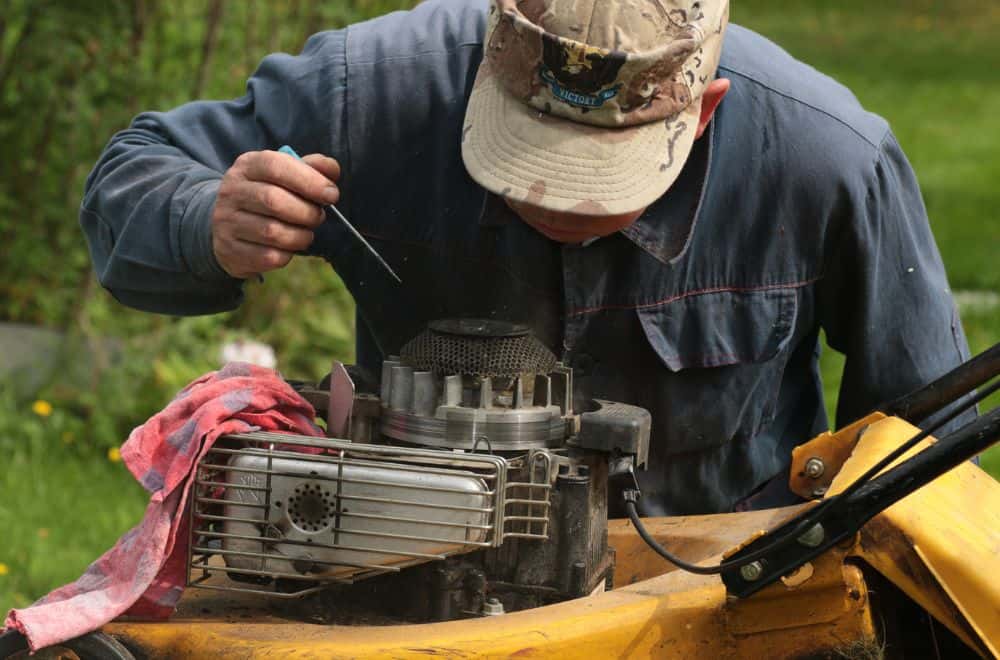
The lawn mower carburetor, often overlooked, is a crucial component in transforming gasoline into mechanical energy. It's the unsung hero that dictates how smoothly your mower runs, how efficiently it cuts, and ultimately, how long it will serve you. But like any mechanical part exposed to the rigors of the outdoors, it's susceptible to clogs, buildup, and the ravages of time. A dirty carburetor is a leading cause of hard starting, rough idling, and overall poor performance in lawn mowers. This guide will dissect the process of cleaning a lawn mower carburetor, providing not just a how-to, but also a why-to, delving into the principles at play.
Understanding the Carburetor's Role
Before diving into the cleaning process, it's essential to understand what a carburetor does. In essence, it's an air-fuel mixing device. It draws air through a venturi, a narrowed section in the carburetor's throat, creating a vacuum. This vacuum draws fuel from the fuel bowl, atomizing it into a fine mist that mixes with the incoming air. The resulting air-fuel mixture is then drawn into the engine's cylinder, where it's ignited to power the piston.
The precision of this mixture is paramount. Too much fuel (a rich mixture) can lead to poor fuel economy, black smoke, and a fouled spark plug. Too little fuel (a lean mixture) can cause overheating, surging, and potential engine damage. The carburetor maintains this delicate balance through carefully calibrated jets, passages, and adjustments.
Over time, varnish from evaporating gasoline, dirt, and debris can accumulate within these intricate passages, disrupting the precise air-fuel mixture. This is where carburetor cleaning becomes essential.
Tools and Materials Required
Before you begin, gather the necessary tools and materials. This will streamline the process and minimize downtime:
- Socket set and wrench set
- Screwdrivers (Phillips and flathead)
- Carburetor cleaner spray
- Small brushes (toothbrush, parts cleaning brush)
- Compressed air (optional, but highly recommended)
- Safety glasses
- Gloves
- Clean rags or shop towels
- Small containers for parts
- Carburetor rebuild kit (optional, but recommended if the carburetor is old or heavily corroded)
- Digital camera or smartphone (to document disassembly)
Disassembly: A Step-by-Step Guide
Disassembly is the most critical stage. Careful observation and documentation are key to ensuring a smooth reassembly. We recommend taking pictures at each step.
1. Fuel System Isolation
Begin by disconnecting the spark plug wire to prevent accidental starting. Next, locate the fuel shut-off valve (if equipped) and close it. If there's no valve, use a fuel line clamp to pinch off the fuel line. Drain the fuel bowl by loosening the drain screw (if present) or by carefully disconnecting the fuel line and allowing the fuel to flow into a suitable container. Dispose of the fuel properly; do not pour it down the drain.
2. Carburetor Removal
The carburetor is typically attached to the engine with two bolts or nuts. Carefully disconnect any linkages connected to the carburetor, such as the throttle and choke linkages. Pay close attention to how these linkages are attached; taking photos is highly recommended. Remove the bolts or nuts securing the carburetor to the engine. Gently detach the carburetor from the intake manifold. Be mindful of any gaskets; they may be brittle and prone to tearing. Note their orientation.
3. Carburetor Disassembly
Place the carburetor on a clean workbench. Now, the real disassembly begins. Start by removing the fuel bowl. This is typically held in place by a single bolt in the center of the bowl. Once the bowl is removed, you'll see the main jet and possibly other smaller jets. Carefully remove these jets, noting their location. They are often very small and easily lost, so keep them in a safe container.
Next, remove the float. The float is responsible for regulating the fuel level in the bowl. It's usually attached to the carburetor body with a small pin. Gently push the pin out and remove the float and the needle valve. The needle valve controls the flow of fuel into the bowl. Inspect the needle valve for wear or damage. If it's worn or damaged, it should be replaced.
Depending on the carburetor design, there may be other removable components, such as idle mixture screws or emulsion tubes. Carefully remove these components, noting their location and orientation. Again, documentation through photos is invaluable.
Cleaning and Inspection
With the carburetor disassembled, it's time to clean each component thoroughly.
1. Cleaning the Components
Spray each component with carburetor cleaner. Use a small brush to scrub away any varnish, dirt, or debris. Pay particular attention to the jets and passages. Use a piece of fine wire or a carburetor cleaning tool to carefully clean out the jets. Do not use anything abrasive, as this can damage the delicate orifices.
The carburetor body itself should also be thoroughly cleaned. Spray it with carburetor cleaner and use a brush to clean out any passages. Compressed air can be used to blow out any remaining debris.
2. Inspection
Once the components are clean, inspect them for wear or damage. Check the jets for cracks or damage. Examine the needle valve for wear. Inspect the float for leaks. If any components are worn or damaged, they should be replaced. A carburetor rebuild kit typically includes all the necessary gaskets, jets, and needle valves.
Reassembly
Reassembly is the reverse of disassembly. Use your photos as a guide to ensure that all components are installed in the correct location and orientation.
1. Installing the Components
Begin by installing the float and needle valve. Make sure the float moves freely. Install the jets, emulsion tubes, and idle mixture screws. Tighten them gently; do not overtighten them, as this can damage the threads.
Install the fuel bowl, making sure the gasket is properly seated. Tighten the fuel bowl bolt snugly.
2. Carburetor Installation
Attach the carburetor to the intake manifold, making sure the gasket is properly seated. Tighten the bolts or nuts securing the carburetor to the engine. Reconnect the throttle and choke linkages. Ensure that the linkages move freely.
3. Final Checks
Reconnect the fuel line and open the fuel shut-off valve. Check for fuel leaks. Reconnect the spark plug wire.
Testing and Adjustment
Start the engine. It may take a few tries to prime the carburetor. Once the engine is running, listen for any unusual noises. If the engine idles roughly, you may need to adjust the idle mixture screw. Refer to your lawn mower's owner's manual for instructions on how to adjust the idle mixture.
Allow the engine to run for a few minutes to warm up. Check for any fuel leaks. If everything seems to be working properly, you're done!
Preventive Maintenance
To prevent future carburetor problems, it's important to practice good preventive maintenance. Always use fresh fuel. Drain the fuel tank before storing the lawn mower for extended periods. Consider using a fuel stabilizer to prevent fuel from breaking down and forming varnish. Regularly inspect the air filter and replace it if it's dirty. By following these simple tips, you can keep your lawn mower running smoothly for years to come.
By understanding the carburetor's function and diligently following these cleaning steps, you can restore your lawn mower's performance and extend its lifespan. Remember, patience and careful observation are your greatest allies in this endeavor. Good luck!