
How To Clean The Carburetor On A Snowmobile
The crisp air bites at your exposed skin, the landscape a pristine canvas of white. The roar of your snowmobile, that throaty, familiar growl, is the only intrusion on the winter silence. But what happens when that roar turns into a sputter, a cough, a frustrating silence? More often than not, especially with older machines, the culprit is a clogged carburetor.
The Carburetor Conundrum: A Dying Breed?
Let's face it: the carburetor, that mechanical marvel of fuel and air mixing, is increasingly a relic of the past. In the automotive world, fuel injection reigns supreme, offering improved efficiency, emissions, and overall performance. Even in the snowmobile realm, the writing is on the wall. The traditional carburetor, with its jets, needles, and floats, is giving way to more sophisticated systems. But before we consign it to the history books, understanding how to clean a snowmobile carburetor is still a vital skill, especially for those clinging to their reliable, older sleds. This article isn't just about maintaining the past; it's about appreciating the ingenuity that paved the way for the future of snowmobile technology. Understanding the fundamentals of combustion and fuel delivery, even in a carburetor, provides a crucial foundation for grasping the complexities of modern systems.
Step-by-Step: Cleaning Your Snowmobile Carburetor
This isn't a replacement for a repair manual, but here's a general overview:
- Safety First: Disconnect the battery. Work in a well-ventilated area, as gasoline fumes are hazardous.
- Access: Carefully remove the carburetor from the snowmobile. This usually involves disconnecting fuel lines, throttle cables, and choke cables. Take pictures as you disassemble to aid in reassembly.
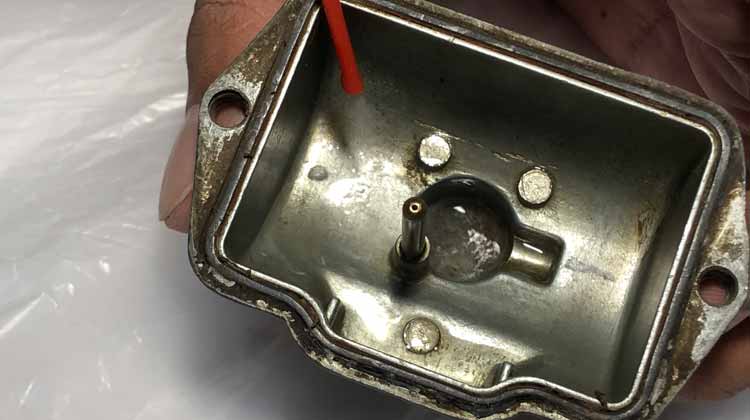
- Disassembly: Carefully disassemble the carburetor. This typically involves removing the float bowl, jets, needle valve, and float. Keep track of all the small parts!
- Cleaning: Use carburetor cleaner and compressed air to thoroughly clean all the parts. Pay special attention to the jets, ensuring they are clear of any obstructions. A fine wire can be used to carefully clear stubborn blockages, but avoid enlarging the jet orifices. Soaking the carburetor body and components in carburetor cleaner overnight can also be beneficial for particularly stubborn grime.
- Inspection: Inspect all the parts for wear and tear. Replace any worn or damaged parts.
- Reassembly: Carefully reassemble the carburetor, following the reverse of the disassembly process.
- Reinstallation: Reinstall the carburetor on the snowmobile, reconnecting all fuel lines, throttle cables, and choke cables.
- Testing: Start the snowmobile and adjust the carburetor as needed.
The Future is Electric (and Hybrid): Reimagining Snowmobile Mobility
While carburetor maintenance remains relevant for now, the future of snowmobiling is undoubtedly electric. Companies are actively developing electric snowmobiles that promise instant torque, zero emissions, and a near-silent riding experience. Imagine gliding through the snow-covered wilderness, hearing only the whisper of the wind and the crunch of the snow beneath your tracks. This is not a distant dream; it's a rapidly approaching reality.
However, the transition to electric snowmobiles faces challenges. Battery range, charging infrastructure in remote locations, and the higher initial cost of electric models are significant hurdles. Hybrid systems, combining a small gasoline engine with an electric motor, could provide a bridge between the traditional and the electric future, offering extended range and reduced emissions.
Beyond electric powertrains, smart automotive solutions are also making their way into the snowmobile world. GPS navigation, real-time telemetry, and even advanced rider assistance systems (ADAS) are becoming increasingly common. Imagine a snowmobile equipped with sensors that can detect changes in snow conditions and automatically adjust the suspension for optimal performance. Or a system that can alert you to potential avalanche hazards.
The Changing Landscape of Mobility: Embracing Innovation
The automotive industry, including the snowmobile sector, is undergoing a radical transformation. We are moving away from purely mechanical systems towards a future where technology plays a central role in enhancing performance, safety, and sustainability. This shift requires a willingness to embrace innovation, to learn new skills, and to adapt to a rapidly changing landscape. The knowledge gained from understanding the intricacies of a carburetor provides a valuable foundation for understanding the complexities of these new technologies. Even as we move towards electric and smart snowmobiles, the principles of engine operation, fuel management, and vehicle dynamics remain fundamentally important.
The challenge is not simply to replace old technologies with new ones, but to create a more sustainable and enjoyable riding experience for all. This requires a collaborative effort between manufacturers, engineers, riders, and policymakers. By working together, we can ensure that the future of snowmobiling is both exciting and environmentally responsible.
The rumble of the internal combustion engine might eventually fade from the snowy trails, replaced by the silent hum of electric motors. But the spirit of adventure, the thrill of exploration, and the connection with nature will remain. The future of snowmobiling is not just about the machines we ride; it's about the experiences we create and the memories we share. Let's embrace the changes ahead, not with fear, but with a sense of excitement and anticipation. The future of mobility is being written now, and we all have a role to play in shaping it.