
How To Compress Brake Caliper Without Tool
The open road has always been synonymous with freedom, but the future of mobility is shaping up to be far more complex – and exciting – than simply jumping in a car and driving. From the hum of electric engines to the intricate dance of autonomous systems, the automotive landscape is transforming at an unprecedented pace. And at the heart of it all, even seemingly simple tasks like compressing a brake caliper, are being re-imagined.
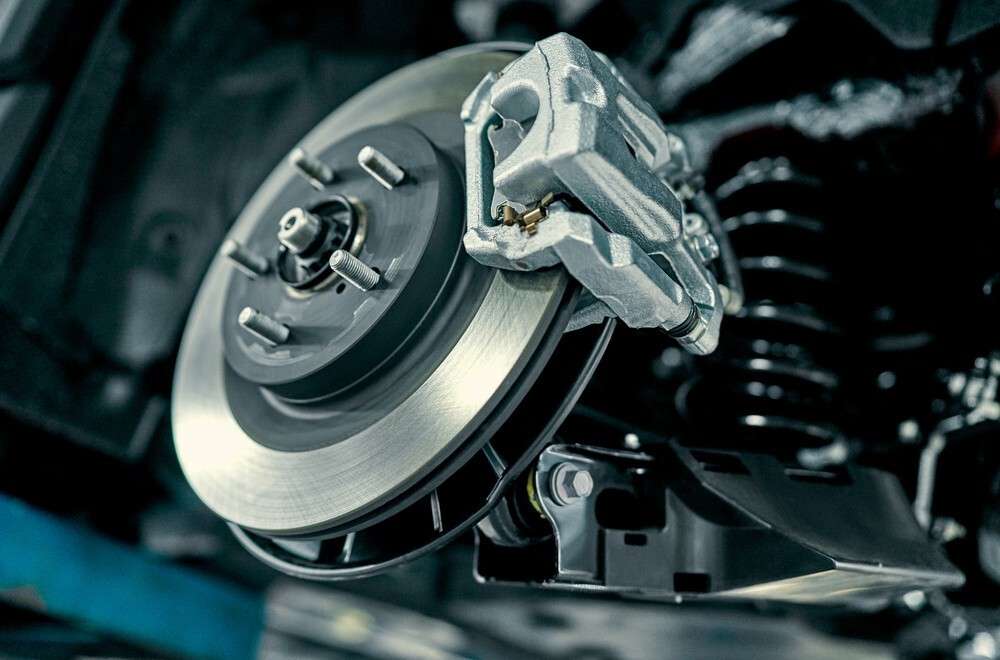
Today, let's address a question that often plagues DIY enthusiasts: how to compress a brake caliper without a dedicated tool. While a specialized caliper compression tool is always the *recommended* and safest option, understanding the underlying mechanics allows for resourceful solutions in a pinch. The key is to apply even pressure to the caliper piston to retract it fully into its bore, allowing for the installation of new brake pads. One method involves using a large C-clamp and a discarded brake pad. The old pad is placed against the piston, and the C-clamp is positioned to press the pad against the piston while bearing on the caliper body. Slowly tighten the clamp, ensuring the piston retracts squarely. This approach demands extreme caution to avoid damaging the piston or the caliper. Another option involves using pliers, but *only* if the piston has notches designed for this purpose. Again, caution is paramount.
However, the need for such improvisations may soon diminish. The automotive industry is rapidly evolving towards smarter, more integrated solutions. Think about the advancements in brake technology itself. Electronic parking brakes (EPB) are becoming increasingly common, particularly in electric vehicles (EVs) and hybrids. These systems often feature electronic caliper retraction functionalities, which could potentially simplify brake maintenance in the future. Imagine a scenario where the car's onboard diagnostics and control system can guide you through the brake pad replacement process, even automating the caliper retraction. This is not science fiction; it's a logical progression of current trends.
The Rise of Electric Vehicles and Integrated Systems
The shift towards electric vehicles is a major catalyst for innovation across the board. EVs present unique opportunities for brake system optimization. Regenerative braking, for example, significantly reduces the wear and tear on traditional friction brakes, extending their lifespan and minimizing maintenance requirements. The integration of regenerative braking with advanced driver-assistance systems (ADAS) allows for even more precise and efficient deceleration, further reducing the reliance on mechanical brakes. This means that future generations of drivers may rarely, if ever, need to perform traditional brake maintenance tasks like replacing pads or compressing calipers manually.
Furthermore, the connected car is paving the way for predictive maintenance. Sensors embedded in the braking system can continuously monitor parameters like pad thickness, rotor condition, and brake fluid levels. This data can be transmitted to the vehicle's control unit or even to the cloud, allowing for early detection of potential problems and proactive scheduling of maintenance. Imagine receiving an alert on your smartphone indicating that your brake pads are nearing the end of their service life, along with a recommendation for a qualified service center. This level of integration will transform the ownership experience, making car maintenance far less of a burden.
Challenges and Opportunities
Despite the exciting advancements, challenges remain. The transition to electric vehicles requires significant investment in charging infrastructure and battery technology. The complexity of modern automotive systems necessitates highly skilled technicians who can diagnose and repair advanced electronics and software. Cybersecurity is also a growing concern, as connected cars are vulnerable to hacking and data breaches. However, these challenges also present opportunities for innovation. New technologies are being developed to improve battery performance, increase charging speeds, and enhance cybersecurity. Education and training programs are crucial to equip the workforce with the skills needed to maintain and repair these advanced vehicles.
The reliance on complex electronic systems also raises questions about long-term reliability and repairability. While EVs promise lower maintenance costs overall, the cost of replacing a battery pack or repairing a complex electronic control unit can be substantial. Ensuring the availability of affordable and accessible replacement parts is crucial for the long-term sustainability of the EV revolution. Furthermore, the industry needs to address the environmental impact of battery production and disposal, promoting sustainable practices throughout the entire lifecycle of the vehicle.
The democratization of automotive repair through augmented reality (AR) applications is another area of exciting potential. AR apps could overlay detailed instructions and visual cues onto the real-world view of the braking system, guiding users through the process of pad replacement or caliper inspection. These apps could provide step-by-step instructions, identify potential problems, and even offer remote support from qualified technicians. This would empower drivers to perform basic maintenance tasks safely and effectively, while also reducing the reliance on specialized tools and equipment.
A Vision for the Future
The future of mobility is not just about faster cars or cleaner engines. It's about creating a more seamless, integrated, and sustainable transportation ecosystem. Imagine a world where vehicles communicate with each other, optimizing traffic flow and preventing accidents. Imagine a world where autonomous vehicles transport goods and people efficiently and safely, reducing congestion and pollution. Imagine a world where car ownership is no longer a necessity, but a choice, with on-demand mobility services readily available to everyone. This is the vision that drives us forward – a vision of a future where transportation is not just a means to an end, but a vital part of a more connected, sustainable, and equitable world. And even the humble brake caliper, in its evolving form, will play a crucial role in shaping that future.