
How To Fix A Lawn Mower That Will Not Start
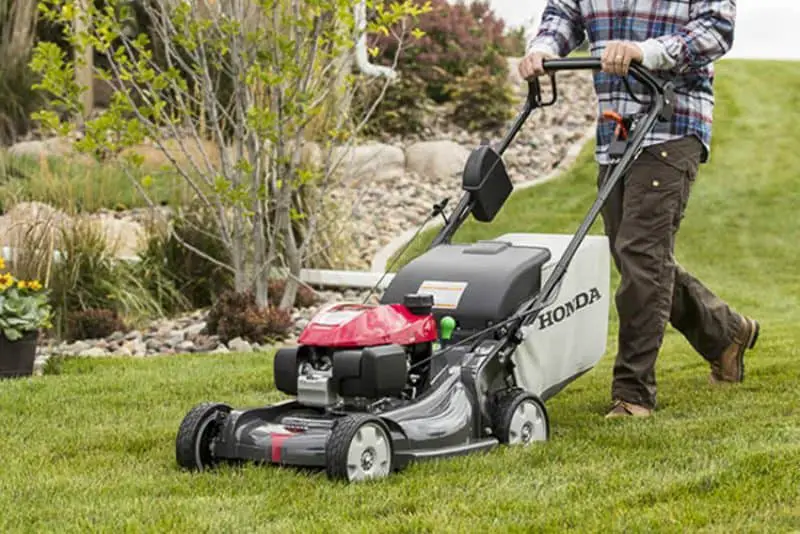
Alright, let's talk about a frustrating situation: your lawn mower won't start. Nothing's worse than being ready to tackle the yard and finding your trusty mower is suddenly out of commission. Don't panic! Most of the time, it's a relatively simple fix you can handle yourself. I'm here to guide you through some common causes and solutions, so you can get back to mowing.
Initial Checks: The Obvious (But Important) Stuff
Before diving into more complex diagnostics, let's cover the basics. These might seem obvious, but you'd be surprised how often they're the culprit.
- Fuel: Is there gas in the tank? And is it fresh gas? Gasoline can degrade over time, especially during the off-season. Old, stale gas is a very common reason for starting problems. Drain the old fuel and replace it with fresh gasoline.
- Spark Plug Wire: Is the spark plug wire securely connected to the spark plug? A loose connection will prevent the engine from firing. Give it a firm push to ensure it's properly seated.
- Safety Features: Most mowers have safety features to prevent accidental starts. Is the bail (the handle you hold down) fully engaged? Is the mower on a level surface? Some riding mowers have seat switches – make sure they're functioning correctly.
If you've checked these and the mower still won't start, let's move on to more likely culprits.
Diagnosing the Problem: Fuel, Spark, and Air
An engine needs three things to run: fuel, spark, and air. If one of these is missing or insufficient, the engine won't start. We'll examine each of these in turn.
1. Fuel Delivery Issues
If the engine isn't getting fuel, here's what to check:
- Fuel Filter: A clogged fuel filter restricts fuel flow. Locate the fuel filter (usually in-line between the fuel tank and the carburetor) and inspect it. If it looks dirty or clogged, replace it. Fuel filters are inexpensive, typically costing between $5 and $15.
- Carburetor: The carburetor mixes air and fuel. Over time, it can become clogged with deposits, especially if the mower sits unused for long periods.
Cleaning the Carburetor: This can be a bit more involved. You'll need to remove the carburetor, disassemble it, and clean all the jets and passages with carburetor cleaner. You can find carburetor cleaner at any auto parts store for around $10. If you're not comfortable doing this yourself, a small engine repair shop can clean it for you (expect to pay between $50 and $100). YouTube videos are your friend for this!
- Fuel Lines: Inspect the fuel lines for cracks, kinks, or leaks. Replace any damaged fuel lines. Fuel line is also inexpensive, usually costing just a few dollars per foot.
- Fuel Pump (If Applicable): Some mowers, particularly riding mowers, have a fuel pump. If you suspect a fuel pump issue, you can test it by disconnecting the fuel line at the carburetor and cranking the engine. If fuel doesn't flow, the fuel pump may be faulty. Fuel pumps can range in price from $20 to $50.
2. Ignition System Problems (Spark)
No spark, no start. Here's how to troubleshoot the ignition system:
- Spark Plug: The spark plug ignites the air-fuel mixture. Remove the spark plug and inspect it. It should be clean and dry. If it's fouled with carbon deposits, clean it with a wire brush or replace it. Check the spark plug gap (the distance between the electrode and the ground). The correct gap specification will be in your owner's manual or on a sticker on the mower. Spark plugs are cheap, usually costing only a few dollars.
Testing for Spark: Reconnect the spark plug wire to the spark plug. Hold the spark plug against the engine block (making sure the metal part of the plug is touching metal) and crank the engine. You should see a strong, blue spark. If you don't see a spark, or the spark is weak and orange, the spark plug may be bad, or there may be a problem with the ignition coil.
- Ignition Coil: The ignition coil generates the high voltage needed for the spark plug. If you've ruled out the spark plug, the ignition coil may be faulty. Testing the ignition coil requires a multimeter and some knowledge of electrical testing. If you're not comfortable doing this, it's best to take the mower to a repair shop. Ignition coils typically cost between $30 and $70.
3. Air Intake Issues
While less common, problems with the air intake can also prevent a mower from starting.
- Air Filter: A clogged air filter restricts airflow to the engine. Remove the air filter and inspect it. If it's dirty, clean it (if it's a foam filter) or replace it (if it's a paper filter). Air filters are relatively inexpensive, costing between $5 and $20.
- Choke: The choke restricts airflow to enrich the fuel mixture for starting. Make sure the choke is functioning correctly. When the engine is cold, the choke should be closed. As the engine warms up, the choke should gradually open. Sometimes the choke linkage can get stuck. Make sure it moves freely.
Other Potential Issues
If you've checked fuel, spark, and air and the mower still won't start, here are a few other possibilities:
- Low Compression: Low compression can be caused by worn piston rings or valves. This is a more serious problem that typically requires professional repair. A compression test will confirm whether or not you have a compression issue.
- Sheared Flywheel Key: The flywheel key is a small metal piece that connects the flywheel to the crankshaft. If the mower hits a hard object, the flywheel key can shear, which can throw off the engine timing and prevent it from starting. Replacing a sheared flywheel key requires removing the flywheel, which can be tricky.
- Engine Flooding: Repeatedly trying to start a mower that isn't getting fuel can flood the engine. If you suspect flooding, remove the spark plug, pull the starter rope several times to clear the excess fuel, and then reinstall the spark plug.
Tools You'll Likely Need
Here's a basic list of tools you'll likely need for these repairs:
- Spark plug wrench
- Screwdrivers (Phillips and flathead)
- Pliers
- Wrench set
- Carburetor cleaner
- Wire brush
- Multimeter (for testing ignition coil)
When to Call a Professional
While many lawn mower starting problems can be fixed at home, there are times when it's best to call a professional. If you're not comfortable working on small engines, or if you've tried all the troubleshooting steps and the mower still won't start, it's time to take it to a small engine repair shop. They have the tools and expertise to diagnose and repair more complex problems.
The cost of professional repair can vary depending on the problem, but you can generally expect to pay between $50 and $150 for basic repairs, and more for more complex issues like engine rebuilds. Remember, a well-maintained lawn mower will last longer and require fewer repairs. Regular maintenance, such as changing the oil, cleaning the air filter, and replacing the spark plug, can help prevent starting problems and keep your mower running smoothly for years to come. Good luck!