
How To Prevent Rust From Spreading On A Car
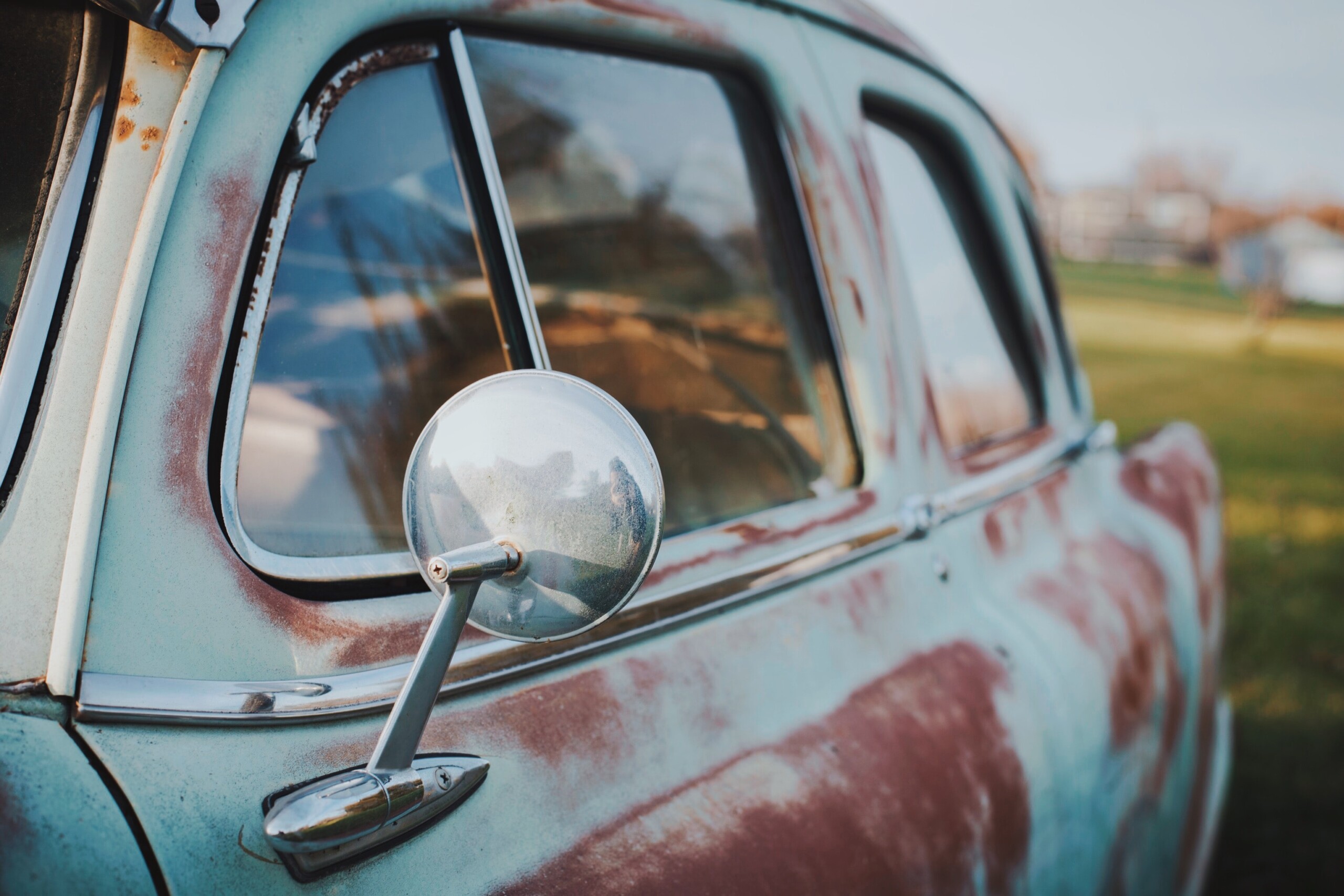
Let's face it, finding rust on your car is never a good feeling. It's like discovering a tiny hole in your favorite shirt – you know it's only going to get bigger if you don't address it. As a service advisor and someone who's worked around cars for years, I've seen firsthand how quickly rust can take hold and the damage it can cause. The good news is, with the right approach, you can definitely slow down or even stop rust from spreading. This article will walk you through some practical steps you can take to protect your investment.
Understanding the Enemy: Why Rust Happens
First, it's important to understand *what* rust actually is. It's the result of iron or steel reacting with oxygen and moisture – an electrochemical process. Salt, especially road salt used in winter, acts as a powerful catalyst, significantly accelerating the rusting process. So, if you live in an area where they salt the roads, you're already fighting an uphill battle.
Think of it like this: the metal in your car is constantly trying to return to its natural state – iron ore. Rust is that process in action. Areas prone to rust are often those most exposed to the elements: the undercarriage, wheel wells, rocker panels, and any spots where the paint has been chipped or scratched. Even seemingly minor imperfections can become breeding grounds for rust.
Prevention is Key: Stop Rust Before It Starts
The best way to deal with rust is to prevent it in the first place. Here are some crucial preventive measures you can take:
Regular Washing and Waxing
This might seem obvious, but it's the cornerstone of rust prevention. Frequent washing, especially during winter months, removes road salt, dirt, and grime that can accelerate corrosion. Pay special attention to the undercarriage; many car washes offer an underbody wash, which is a great investment. Waxing creates a protective barrier on your car's paint, shielding it from moisture and other environmental factors.
Tools needed: Car wash soap, sponges or wash mitts, microfiber towels, wax, applicator pad, buffing pad.
Approximate cost: $20 - $50 for supplies.
Undercoating
Undercoating is a protective coating applied to the undercarriage of your car. It creates a barrier that prevents moisture and salt from coming into direct contact with the metal. There are various types of undercoating available, including rubberized, asphalt-based, and lanolin-based options. Each has its pros and cons in terms of durability, application, and environmental impact. Consult with a professional to determine the best type for your vehicle and climate.
Important note: Undercoating should ideally be applied to a brand new or rust-free vehicle. Applying it over existing rust can trap moisture and accelerate the corrosion process underneath the coating. If your car already has rust, it needs to be properly treated before undercoating.
Tools needed: (For DIY application) Safety glasses, gloves, respirator, undercoating product, spray gun or applicator brush (depending on product type), jack and jack stands.
Approximate cost: $100 - $500 (depending on product and professional vs. DIY application).
Touch-Up Paint for Chips and Scratches
Even small chips and scratches in your car's paint can expose the metal underneath, creating a prime spot for rust to begin. Use touch-up paint to quickly repair these imperfections. Make sure to clean the area thoroughly before applying the paint, and follow the manufacturer's instructions.
Tools needed: Touch-up paint (matching your car's color code), fine-grit sandpaper, rubbing alcohol, applicator brush.
Approximate cost: $10 - $30.
Regular Inspections
Take the time to regularly inspect your car for any signs of rust, especially in vulnerable areas like wheel wells, rocker panels, and around door seams. Catching rust early makes it much easier and cheaper to treat.
Dealing with Existing Rust: Stop the Spread
If you've already spotted rust on your car, don't panic. It's not too late to take action and prevent it from spreading. Here's how:
Surface Rust Removal
Surface rust is the easiest to deal with. It's typically a thin layer of rust on the surface of the metal. You can remove it using:
- Sanding: Use sandpaper (starting with a coarser grit and moving to finer grits) to remove the rust.
- Wire Brush: A wire brush can be effective for removing loose rust.
- Chemical Rust Removers: These products dissolve rust and can be used in conjunction with sanding or wire brushing. Always follow the manufacturer's instructions and wear appropriate safety gear.
After removing the rust, be sure to prime and paint the area to protect it from further corrosion.
Tools needed: Sandpaper (various grits), wire brush, chemical rust remover (optional), safety glasses, gloves, respirator, primer, paint, applicator brush or spray can.
Approximate cost: $30 - $100.
Dealing with More Advanced Rust
If the rust has penetrated deeper into the metal, you might need to take more drastic measures. This could involve:
- Cutting out and welding in new metal: This is a common repair for severely rusted areas, such as rocker panels or floor pans. This is best left to professionals as it requires welding skills and specialized equipment.
- Using rust converters: Rust converters chemically react with the rust, converting it into a stable, paintable surface. However, they are most effective on surface rust and less effective on deeply penetrating rust.
Tools needed: (For minor repairs with rust converter) Wire brush, sandpaper, rust converter, primer, paint, applicator brush.
Approximate cost: Varies widely depending on the severity of the rust and the type of repair. Minor surface rust repair with rust converter could cost $50 - $150. Professional welding repairs can range from $500 to several thousand dollars.
Seek Professional Help When Needed
Knowing when to call in the pros is crucial. If you're dealing with extensive rust damage, structural rust (rust that affects the structural integrity of the car), or you're not comfortable tackling the repairs yourself, it's best to consult with a qualified auto body shop. They have the expertise and equipment to properly assess the damage and perform the necessary repairs. Trying to DIY complex rust repairs without the proper knowledge and tools can actually make the problem worse and potentially compromise the safety of your vehicle. A good body shop will provide you with a detailed estimate of the repair costs, including parts and labor.
Long-Term Strategies
Beyond the immediate actions, consider these long-term strategies to minimize rust:
* **Garage your car:** Storing your car in a garage shields it from the elements and reduces exposure to moisture and salt. * **Avoid driving on salted roads when possible:** If you have a choice, avoid driving your car on heavily salted roads during the winter. * **Address leaks promptly:** Leaks can trap moisture and accelerate rust. Fix any leaks as soon as possible. * **Regularly inspect and clean drain holes:** Many cars have drain holes in the doors, rocker panels, and other areas to allow water to escape. Make sure these holes are clear of debris.Rust is a persistent problem, but with a proactive approach and regular maintenance, you can significantly slow down its spread and protect your car for years to come. Remember, prevention is always cheaper and easier than cure. Good luck!