
How To Tell If You Have Blown A Head Gasket
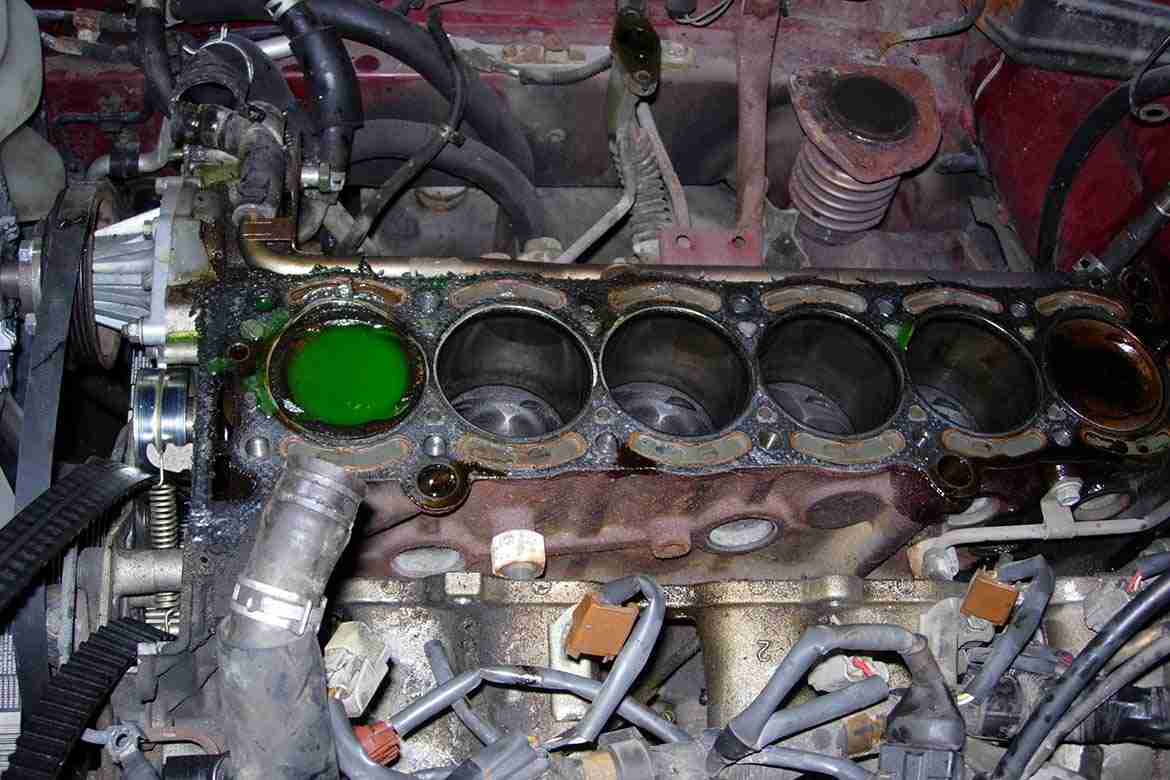
A blown head gasket is the automotive equivalent of a ticking time bomb. It’s a serious problem that can quickly escalate from a minor inconvenience to catastrophic engine failure. The head gasket is a crucial component, sealing the combustion chamber between the cylinder head and the engine block. It prevents coolant and oil from mixing with each other and with the air-fuel mixture. When it fails, the consequences can be dramatic. This article will delve into the telltale signs of a blown head gasket, providing you with the knowledge to diagnose the issue and potentially mitigate further damage.
Understanding the Role of the Head Gasket
Before we dive into the symptoms, it's vital to understand the immense pressure the head gasket endures. Imagine the force of controlled explosions happening thousands of times per minute within the cylinders. The head gasket must withstand this, along with extreme temperature fluctuations and the corrosive properties of engine fluids. Over time, due to age, overheating, or pre-existing engine issues, the gasket can weaken and eventually fail, leading to a breach in the seal.
Common Symptoms of a Blown Head Gasket
The symptoms of a blown head gasket can vary depending on the severity and location of the leak. Here's a breakdown of the most common indicators:
- Overheating: This is often one of the first and most noticeable signs. A blown gasket can allow combustion gases to enter the cooling system, creating air pockets that hinder coolant circulation and reduce its efficiency. Conversely, coolant leaking into the combustion chamber can also lead to overheating. Watch your temperature gauge closely and be aware of any unusual fluctuations.
- Coolant Loss: If you find yourself constantly adding coolant to your reservoir, even without any visible leaks, a blown head gasket could be the culprit. The coolant is likely being burned in the combustion chamber or leaking into the oil pan.
- White Smoke from the Exhaust: Thick, white smoke emanating from the exhaust pipe, especially on a cold start, is a strong indication of coolant entering the combustion chamber. The coolant is being vaporized and expelled as steam. This symptom is usually accompanied by a sweet, distinct smell.
- Milky or Foamy Oil: This is a definitive sign that coolant is mixing with the engine oil. The oil will appear light brown, milky, or even foamy on the dipstick or under the oil filler cap. This contamination drastically reduces the oil's lubricating properties and can cause severe engine damage.
- Bubbling in the Radiator or Coolant Reservoir: With the engine running and the radiator cap removed (exercise extreme caution – the system will be pressurized and hot!), look for bubbles rising to the surface of the coolant. These bubbles are combustion gases escaping into the cooling system. A block tester, which detects exhaust gases in the coolant, can confirm this diagnosis.
- Poor Engine Performance: A blown head gasket can lead to a loss of compression in one or more cylinders. This can result in reduced power, rough idling, misfires, and difficulty starting the engine.
- External Leaks: In some cases, you might observe coolant or oil leaking externally from the head gasket area. This is less common but can happen if the gasket is severely damaged.
Diagnostic Steps
If you suspect a blown head gasket, a thorough diagnostic process is crucial. Here are some steps you can take:
- Visual Inspection: Check for any visible leaks around the head gasket area. Examine the coolant and oil for contamination.
- Compression Test: This test measures the compression pressure in each cylinder. A cylinder with significantly lower compression than the others could indicate a blown head gasket or other valve or piston ring issues.
- Leak-Down Test: Similar to a compression test, but more precise. It involves injecting compressed air into each cylinder and measuring the rate of leakage. This test can help pinpoint the source of the leak, whether it’s the head gasket, valves, or piston rings.
- Block Tester: As mentioned earlier, this test uses a special fluid that changes color in the presence of exhaust gases. It's a quick and easy way to confirm if combustion gases are leaking into the cooling system.
- Oil Analysis: Sending an oil sample to a lab for analysis can reveal the presence of coolant or other contaminants.
Consequences and Repair
Ignoring a blown head gasket can lead to severe engine damage, including warped cylinder heads, damaged pistons, and even a seized engine. The repair typically involves removing the cylinder head, inspecting it for warping or cracks, replacing the head gasket, and reassembling the engine. It's a complex and labor-intensive job best left to experienced mechanics. Depending on the extent of the damage, the repair can range from a few hundred to several thousand dollars. Regular maintenance, including proper cooling system maintenance and avoiding overheating, is crucial in preventing head gasket failures. Investing in preventative care is far more economical than dealing with the aftermath of a blown head gasket.