
How To Tell If Your Fuel Pump Is Going Out
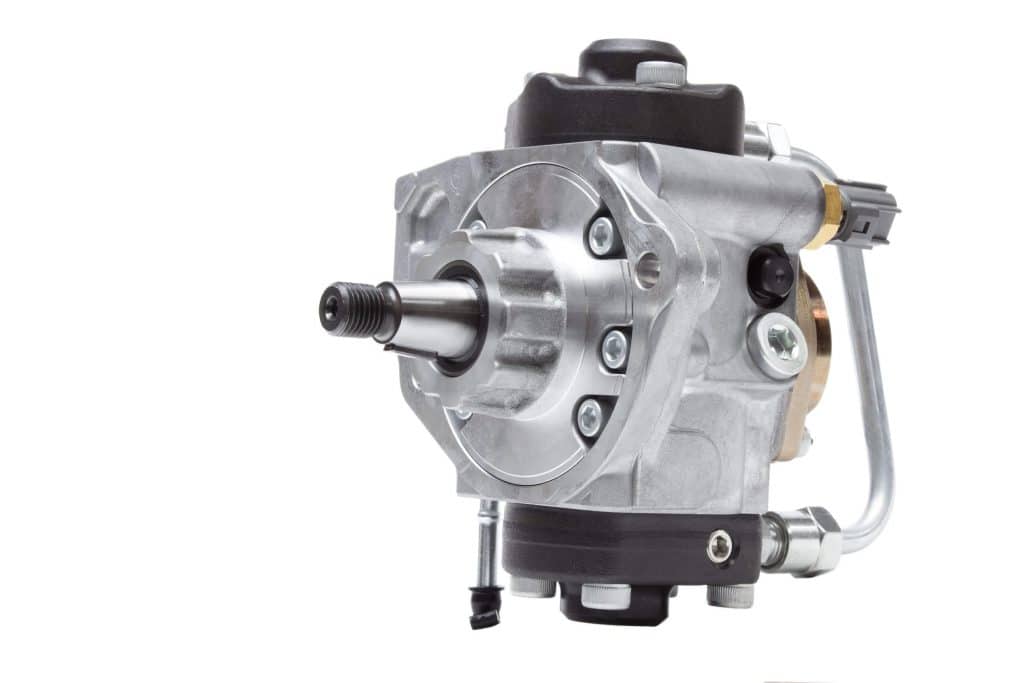
Your car's fuel pump is a critical component responsible for delivering fuel from the gas tank to the engine. When it starts to fail, it can cause a range of performance issues, potentially leaving you stranded. Recognizing the early warning signs of a failing fuel pump can save you time, money, and a lot of frustration. This guide will help you understand how to tell if your fuel pump is going out and what steps you should take.
Understanding the Fuel Pump's Role
Before diving into the symptoms, let's briefly discuss the fuel pump's function. Modern cars typically use an electric fuel pump located inside the fuel tank. This pump pushes fuel through the fuel lines, past the fuel filter, and into the engine's fuel injectors. The injectors then spray the fuel into the cylinders, where it mixes with air and ignites to power your vehicle. A consistent and adequate fuel supply is essential for smooth engine operation. When the fuel pump weakens or malfunctions, it can disrupt this process, leading to various problems.
Common Symptoms of a Failing Fuel Pump
Several telltale signs can indicate a fuel pump that's on its way out. It's important to note that some of these symptoms can also be caused by other issues, so a proper diagnosis is crucial. Here are some of the most common symptoms:
1. Difficulty Starting the Engine
One of the earliest and most noticeable signs of a failing fuel pump is difficulty starting the engine. You might find that the engine cranks for an extended period before finally starting, or it might not start at all. This happens because the pump isn't providing enough fuel pressure to the engine to initiate combustion. If you experience this symptom, pay close attention to whether it occurs more frequently when the engine is cold or warm, as this can provide additional clues.
2. Engine Stalling
Another common symptom is the engine stalling, especially after it has warmed up. This usually happens because the fuel pump can no longer consistently deliver fuel to the engine, causing it to lose power and shut off. Stalling can occur at any speed, but it's more likely to happen when the engine is under load, such as when accelerating or climbing a hill. This can be a dangerous situation, especially on a busy highway. If the engine stalls, try turning the ignition off and on again to see if the fuel pump primes itself enough to start the car again.
3. Loss of Power During Acceleration
A failing fuel pump might not be able to keep up with the engine's fuel demand during acceleration. You might notice a hesitation or a lack of power when you press the gas pedal. The engine might feel sluggish, and it might take longer to reach higher speeds. This is because the pump cannot provide the necessary fuel volume to support the increased demand. This symptom can be intermittent, appearing only during periods of high fuel consumption.
4. Rough Idling
A weak fuel pump can also cause the engine to idle roughly. This means the engine vibrates more than usual, and the RPMs might fluctuate erratically. This happens because the fuel pump is not providing a steady and consistent fuel supply to the engine, causing uneven combustion. Rough idling can also be caused by other issues, such as a faulty spark plug or a vacuum leak, so it's important to rule out those possibilities before suspecting the fuel pump.
5. Decreased Fuel Efficiency
If your car's fuel pump is struggling, it might not be delivering fuel as efficiently as it should. This can lead to a noticeable decrease in fuel economy. You might find that you're visiting the gas station more often than usual, even if your driving habits haven't changed. While decreased fuel efficiency can be caused by various factors, a failing fuel pump is definitely one possibility to consider.
6. Unusual Noises From the Fuel Tank
Although not always present, a failing fuel pump can sometimes produce unusual noises from the fuel tank. You might hear a whining, buzzing, or humming sound coming from the rear of the car, especially when you turn the ignition on. This noise is often an indication that the pump is working harder than it should to deliver fuel. However, it's important to note that some fuel pumps are naturally louder than others, so you need to consider this in conjunction with other symptoms.
7. Surging
Surging is when your car speeds up or slows down without you changing the position of your foot on the accelerator pedal. This can be a dangerous symptom as you are not in control of the car. A failing fuel pump can cause this, or other problems, such as vacuum leaks.
Troubleshooting a Potential Fuel Pump Issue
If you suspect your fuel pump is failing, there are a few things you can do to troubleshoot the issue:
- Listen for the fuel pump priming: When you turn the ignition key to the "on" position (but don't start the engine), you should hear a brief buzzing sound coming from the fuel tank. This is the fuel pump priming, meaning it's building pressure in the fuel lines. If you don't hear this sound, it could indicate a problem with the fuel pump or its electrical circuit.
- Check the fuel pump relay and fuse: The fuel pump is controlled by a relay and protected by a fuse. Check your owner's manual to locate these components and inspect them for any signs of damage or corrosion. You can try swapping the fuel pump relay with another relay of the same type to see if that resolves the issue.
- Check the fuel pressure: A mechanic can use a fuel pressure gauge to measure the fuel pressure at the fuel rail. This will give you a clear indication of whether the fuel pump is delivering the correct amount of fuel.
When to Seek Professional Help
While some minor troubleshooting can be done at home, it's generally best to seek professional help from a qualified mechanic if you suspect your fuel pump is failing. A mechanic has the tools and expertise to accurately diagnose the problem and replace the fuel pump if necessary. Driving with a failing fuel pump can be dangerous, as it can cause the engine to stall unexpectedly, potentially leading to an accident.
Ignoring the symptoms of a failing fuel pump can lead to more serious problems, such as damage to the fuel injectors or even the engine itself.
Additionally, replacing a fuel pump can be a complex task, especially on newer vehicles. It often requires specialized tools and knowledge of the vehicle's fuel system. Attempting to replace the fuel pump yourself without the proper experience can be risky and potentially damage your vehicle.
Preventative Maintenance
While fuel pumps eventually wear out, there are a few things you can do to prolong their lifespan:
- Keep your fuel tank at least ¼ full: The fuel in the tank helps to cool the fuel pump. Running the tank consistently low can cause the pump to overheat and wear out prematurely.
- Use high-quality fuel: Low-quality fuel can contain contaminants that can clog the fuel filter and put extra strain on the fuel pump.
- Replace the fuel filter regularly: A clogged fuel filter restricts fuel flow and makes the fuel pump work harder. Refer to your owner's manual for the recommended fuel filter replacement interval.
Conclusion
Recognizing the signs of a failing fuel pump is crucial for maintaining your vehicle's performance and safety. By understanding the common symptoms and taking appropriate action, you can prevent further damage and avoid being stranded on the side of the road. If you suspect your fuel pump is failing, don't hesitate to seek professional help from a qualified mechanic. Ignoring the problem will only make it worse, and it could ultimately cost you more money in the long run.