
How To Tell When Tires Need To Be Replaced
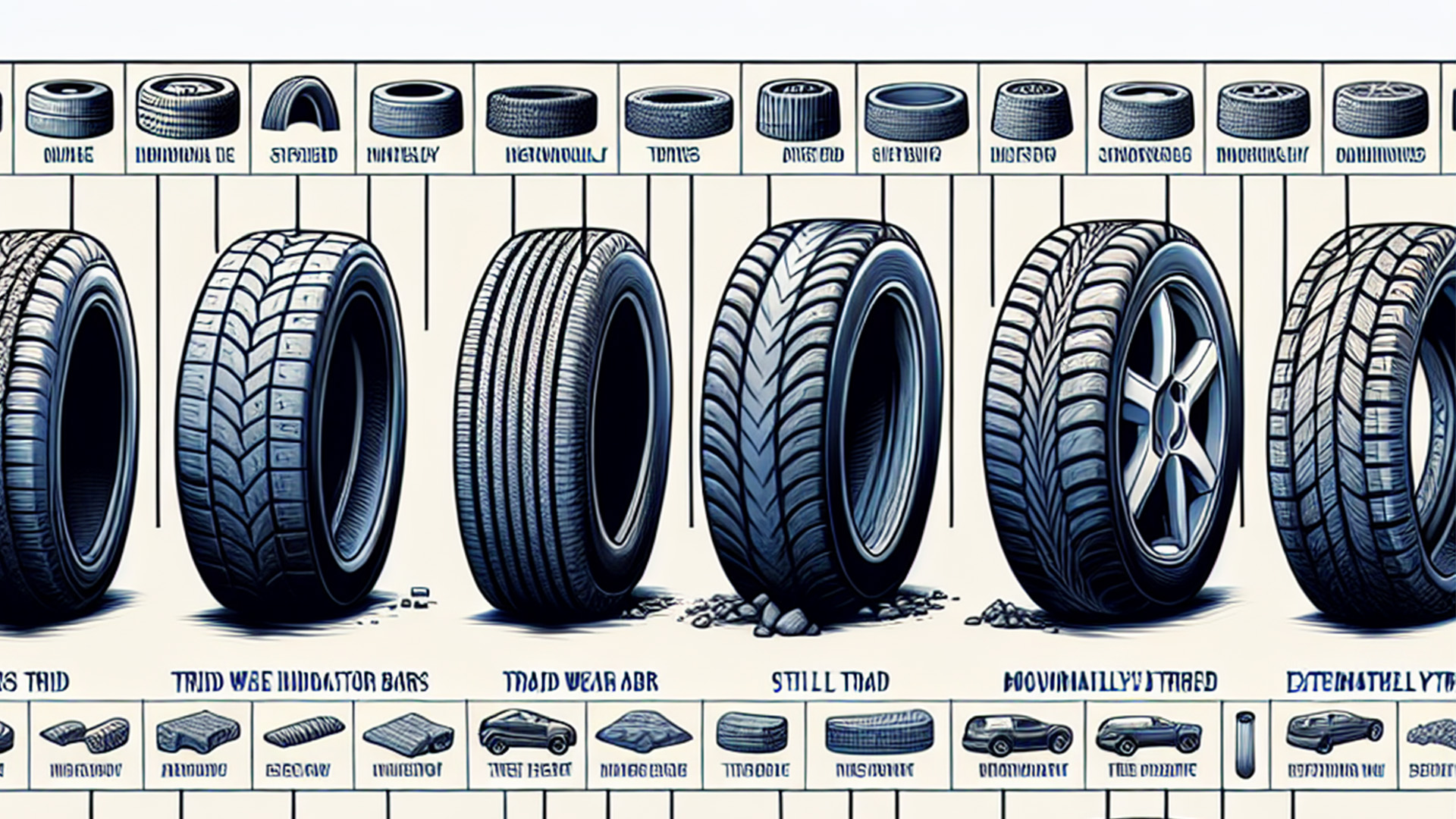
Knowing when to replace your tires is crucial for safety, performance, and fuel economy. Far too often, drivers neglect this essential maintenance task, leading to potentially dangerous situations. This guide, aimed at automotive enthusiasts, mechanics, and everyday car owners, will equip you with the knowledge to accurately assess your tire condition and determine when it's time for a new set.
Tread Depth: The Primary Indicator
The most common and reliable way to gauge tire wear is by measuring tread depth. New tires typically start with a tread depth of around 10/32" to 12/32" (8-10mm), depending on the tire type. As you drive, the tread wears down. When the tread depth reaches 2/32" (1.6mm), the tire is legally considered worn out in most jurisdictions and should be replaced immediately. At this point, the tire's ability to grip the road, especially in wet or snowy conditions, is significantly reduced.
There are several ways to measure tread depth:
- Tread Depth Gauge: This is the most accurate method. A digital or analog gauge provides a precise measurement in fractions of an inch or millimeters.
- Tread Wear Indicators (TWI): Most tires have molded indicators within the tread grooves. These are raised bars that become flush with the tire surface when the tread reaches 2/32". If the TWI is visible, it's time for new tires.
- The Penny Test: An old but still useful method. Insert a penny, head down, into the tread groove. If you can see the top of Lincoln's head, your tread depth is likely below 2/32" and it's time to replace.
Remember to measure tread depth in several locations around the tire circumference and across the tire width. Uneven wear patterns can indicate alignment issues or other mechanical problems.
Beyond Tread Depth: Other Warning Signs
While tread depth is paramount, other factors can necessitate tire replacement even if the tread hasn't reached the 2/32" limit. These include:
- Sidewall Damage: Cracks, bulges, or cuts in the sidewall are serious concerns. These can weaken the tire's structure and lead to a sudden blowout. Don't risk it; replace the tire immediately.
- Punctures and Repairs: While some punctures can be repaired by a qualified technician, certain punctures (especially those near the sidewall) render the tire unrepairable. Consult a professional for assessment. Temporary repair kits, such as those using sealant and an inflator, should only be used to get you to a repair shop. They are not a permanent solution.
- Age: Even if tires have sufficient tread depth, the rubber compound degrades over time. Most tire manufacturers recommend replacing tires after six years, regardless of tread depth. Check the DOT (Department of Transportation) code on the tire sidewall to determine its manufacturing date. The last four digits represent the week and year of manufacture. For example, "1223" indicates the tire was manufactured in the 12th week of 2023.
- Vibrations: Persistent vibrations that aren't caused by suspension issues can indicate tire problems, such as a separated belt or a distorted tire shape.
- Uneven Wear Patterns: As mentioned earlier, uneven wear can point to alignment problems, worn suspension components, or improper inflation. Common patterns include wear on the edges (underinflation), wear in the center (overinflation), and cupping (suspension issues). Addressing the underlying cause and replacing the tires is crucial.
Performance Considerations and Tire Type
The type of tire you use also influences when you might consider replacing it. For example, high-performance tires, designed for superior grip and handling, often have a softer rubber compound that wears faster than touring tires designed for longevity. For enthusiasts, the drop-off in performance as these tires wear can be significant, prompting earlier replacement even with adequate tread depth remaining.
Similarly, winter tires, designed for optimal grip in snow and ice, often have a deeper initial tread depth and a special rubber compound that remains pliable in cold temperatures. These tires should be replaced when the tread depth reaches the winter wear bar indicator (often at 4/32" or 5/32"), even if the tire hasn't reached the 2/32" limit for all-season tires. Operating winter tires with insufficient tread in winter conditions significantly reduces their effectiveness.
The Cost of Neglect
While replacing tires can be a significant expense (ranging from a few hundred to several thousand dollars, depending on the vehicle and tire type), the cost of neglecting worn tires can be far greater. Reduced grip increases braking distances, especially in wet conditions, increasing the risk of accidents. Worn tires are also more susceptible to punctures and blowouts, which can be dangerous and costly. Furthermore, operating a vehicle with improperly inflated or worn tires can significantly reduce fuel economy, costing you money in the long run. Investing in a good set of tires and maintaining them properly is a crucial investment in your safety and the longevity of your vehicle.