
How To Use Jumper Cables To Jumpstart A Car
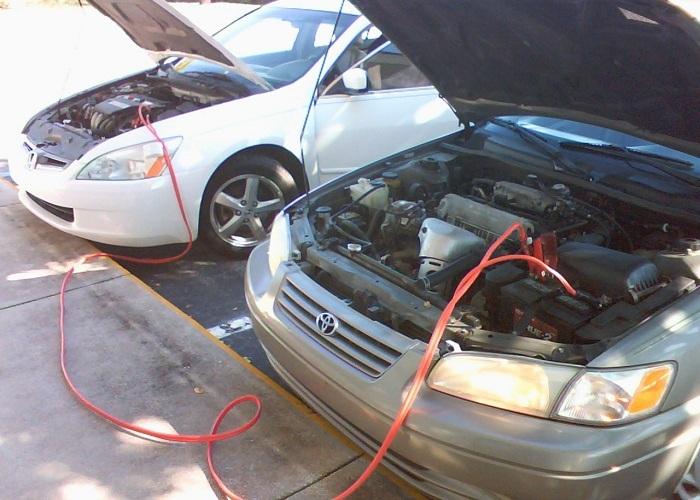
Jumpstarting a car is a common roadside assistance maneuver, but beyond simply connecting the cables and hoping for the best, a deeper understanding of the process reveals fundamental principles of electrical circuits and energy transfer. This guide will dissect the procedure, providing an analytical look at how jumper cables work and the precautions necessary for a safe and successful jumpstart.
Understanding the Electrical System
Before diving into the procedure, it's crucial to understand the basics of a car's electrical system. At its heart is the battery, a 12-volt direct current (DC) source that provides the initial power to crank the engine. The battery's voltage allows current to flow to the starter motor, which then engages the flywheel and begins the engine's combustion cycle. Once the engine is running, the alternator takes over, recharging the battery and powering the various electrical components of the car, such as headlights, radio, and onboard computers.
When a battery is 'dead,' it means it can no longer provide sufficient voltage and current to power the starter motor. This can happen due to leaving the lights on, a faulty charging system, or simply age. Jumpstarting effectively bypasses the dead battery by using the energy stored in a healthy battery from another vehicle to provide the necessary boost for the starter motor.
The Components: Jumper Cables Deconstructed
Jumper cables are essentially heavy-duty insulated wires designed to carry a significant amount of current. They typically consist of:
- Conductive Core: Usually made of copper or aluminum, this is the pathway for the electrical current. Copper is superior due to its higher conductivity, meaning it offers less resistance to the flow of electricity. Aluminum cables, while cheaper, need to be thicker to carry the same current, making them less flexible and potentially less efficient.
- Insulation: A thick layer of PVC or similar material surrounds the conductive core to prevent electrical shock and short circuits. The insulation is typically color-coded (red for positive, black for negative) for easy identification.
- Clamps: These are designed to securely grip the battery terminals, providing a solid electrical connection. Good quality clamps will have strong springs and wide jaws for maximum contact area.
The gauge of the jumper cables is critical. The gauge refers to the thickness of the conductive core; a lower gauge number indicates a thicker wire and a greater current-carrying capacity. For most passenger vehicles, a 4-gauge or 6-gauge cable is recommended. Thinner cables (e.g., 8-gauge or 10-gauge) may not be sufficient to deliver the necessary current to start a larger engine, and attempting to do so could overheat the cables and potentially damage the electrical system.
Step-by-Step Jumpstarting Procedure: A Detailed Analysis
The following steps outline the correct procedure for jumpstarting a car, with explanations of the underlying principles at each stage:
Step 1: Preparation and Safety
Before you even reach for the cables, prioritize safety:
*Wear safety glasses to protect your eyes from potential battery acid splashes. *Ensure both vehicles are turned off and in park (or neutral for manual transmissions) with the parking brakes engaged. This prevents accidental movement during the process. *Check both batteries for any signs of damage, such as cracks or leaks. Do not attempt to jumpstart a damaged battery, as it could explode. *Avoid smoking or using open flames near the batteries, as they can release flammable hydrogen gas.
Step 2: Connecting the Cables: The Correct Sequence
The order in which you connect the cables is crucial to minimize the risk of sparks and potential damage to the electrical systems. The recommended sequence is as follows:
- Positive (+) to Dead Battery: Connect the red (positive) clamp to the positive terminal of the dead battery. Ensure a secure connection.
- Positive (+) to Good Battery: Connect the other red (positive) clamp to the positive terminal of the good battery.
- Negative (-) to Good Battery: Connect the black (negative) clamp to the negative terminal of the good battery.
- Negative (-) to Ground: Connect the final black (negative) clamp to a solid, unpainted metal part of the dead car's engine block or chassis, away from the battery. This is a critical step. Connecting directly to the negative terminal of the dead battery can create a spark near the battery, which, as mentioned above, could ignite hydrogen gas. Grounding to the chassis provides a safer alternative path for the current.
This sequence ensures that any sparks that occur are far away from the dead battery, minimizing the risk of ignition.
Step 3: Starting the Good Car
Start the car with the good battery and let it run for several minutes (typically 3-5 minutes). This allows the charging system of the good car to begin transferring some charge to the dead battery. Increase the RPM slightly (around 1500 RPM) to increase the charging output, but avoid excessive revving.
Step 4: Attempting to Start the Dead Car
After allowing the good car to charge the dead battery for a few minutes, try starting the dead car. If it starts, let it run for at least 20 minutes to allow its alternator to fully recharge the battery. If it doesn't start, check the connections again to ensure they are secure. You can also let the good car charge the dead battery for a longer period (up to 10 minutes) before attempting to start it again. If it still doesn't start after multiple attempts, there may be a more serious problem with the dead car's starting system, such as a faulty starter motor.
Step 5: Disconnecting the Cables: The Reverse Sequence
Once the dead car is running, disconnect the jumper cables in the reverse order of connection:
- Remove the black (negative) clamp from the ground point on the dead car.
- Remove the black (negative) clamp from the negative terminal of the good battery.
- Remove the red (positive) clamp from the positive terminal of the good battery.
- Remove the red (positive) clamp from the positive terminal of the dead battery.
This reverse sequence minimizes the risk of short circuits during disconnection.
Troubleshooting and Common Mistakes
Even with careful execution, jumpstarting can sometimes fail. Here are some common issues and troubleshooting tips:
- Insufficient Cable Gauge: As mentioned earlier, using cables that are too thin can prevent enough current from flowing to start the engine.
- Poor Connections: Corrosion on the battery terminals or loose clamps can impede the flow of current. Clean the terminals with a wire brush or terminal cleaner and ensure the clamps are securely attached.
- Faulty Starter Motor: If the engine clicks but doesn't turn over, the starter motor may be faulty.
- Severe Battery Damage: If the battery is severely damaged (e.g., cracked case, leaking acid), it may be beyond jumpstarting.
- Alternator Failure: If the car starts with a jumpstart but dies shortly afterward, the alternator may not be charging the battery properly.
Preventive Maintenance: Extending Battery Life
Regular maintenance can significantly extend the life of your car battery and reduce the need for jumpstarts:
- Regularly clean battery terminals to remove corrosion.
- Check the battery voltage periodically with a multimeter. A healthy battery should read around 12.6 volts when fully charged.
- Avoid leaving lights or accessories on when the engine is off.
- Consider using a battery maintainer if you don't drive your car frequently.
By understanding the principles behind jumpstarting and practicing proper maintenance, you can ensure a smooth and reliable starting experience, and potentially avoid the inconvenience of a dead battery altogether.