
Ignition Lock Cylinder Replacement Near Me
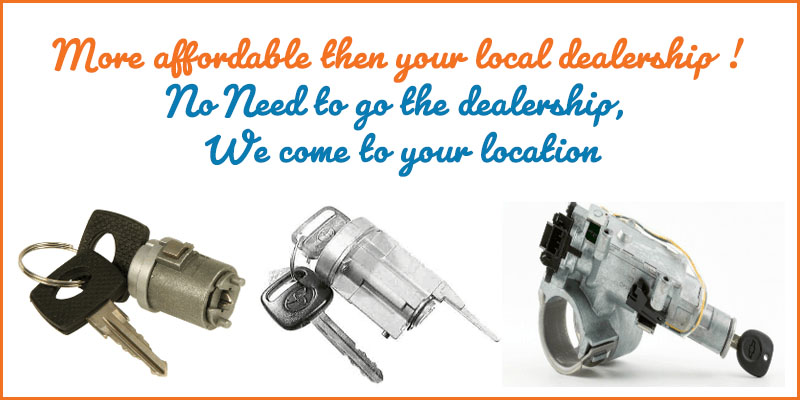
So, you're staring down the barrel of a busted ignition lock cylinder. The key won't turn, the car's immobilized, and you're thinking, "Great, now what?" Before you resign yourself to an expensive dealership tow and repair, let's explore the world of ignition lock cylinder replacement and how to find the best option near you. This isn't a one-size-fits-all situation; the complexity, and therefore the cost, varies dramatically depending on your car's make, model, and even engine. Buckle up; we're diving in.
Understanding the Lock Cylinder Landscape
The ignition lock cylinder, at its most basic, is the mechanical tumbler that interacts with your key to allow power to the starter. Turn the key, the tumblers align, and electrical contacts are made, sending juice to the starter solenoid. But modern systems are far more nuanced. They often integrate with anti-theft systems, immobilizers, and even steering column locks, making the replacement process anything but straightforward.
Key Differences by Vehicle Type
Let's break down some common scenarios:
- Classic Cars (Pre-1990s): Usually the simplest. Minimal electronics, often requiring only a basic replacement cylinder and key. Expect lower parts and labor costs.
- Modern Cars (1990s-2000s): Immobilizers become prevalent. The replacement might involve reprogramming the new key to match the car's computer (ECU/PCM). Aftermarket cylinders might require professional coding.
- High-Security Vehicles (Late 2000s-Present): Luxury brands (BMW, Mercedes-Benz, Audi) and even some mainstream vehicles employ sophisticated rolling-code immobilizers and complex key fobs. Replacing the cylinder may necessitate dealer intervention and specialized diagnostic equipment. Forget a DIY attempt unless you're a seasoned pro with the right tools.
The Engine Factor: Does It Matter?
Interestingly, the engine itself *usually* doesn't directly impact the ignition lock cylinder replacement. However, the engine's complexity can correlate with the overall sophistication of the vehicle's security system. For example, a base-model Honda Civic with a 1.8L engine is likely to have a simpler immobilizer system than a fully loaded Acura TLX with a 3.5L V6. The more advanced the features, the higher the potential cost of replacement.
Technology's Impact: Key Fobs vs. Traditional Keys
Key fobs have revolutionized (and complicated) ignition systems. While traditional keys operate mechanically, key fobs communicate wirelessly with the car's computer. A failing ignition cylinder on a key fob-equipped vehicle might not just be a mechanical issue; it could be a problem with the fob itself or the immobilizer module. Diagnostics are crucial in these cases.
Spec Table: DIY vs. Professional Replacement
| Scenario | DIY Difficulty | Potential Cost | Tools Required | Pros | Cons |
|---|---|---|---|---|---|
| Classic Car (No Immobilizer) | Easy-Medium | $50-$150 | Basic hand tools, steering wheel puller (sometimes) | Cost-effective, satisfying | Potential for damage if inexperienced, may require key cutting |
| Modern Car (Basic Immobilizer) | Medium-Hard | $100-$300 | Hand tools, key programming tool (OBDII scanner with programming capabilities) | Saves on labor costs, learn new skills | Requires specialized tools, risk of immobilizing the car permanently if programming fails |
| High-Security Vehicle (Advanced Immobilizer) | Extremely Hard | $300+ | Dealer-level diagnostic equipment, specialized key programmers | None (unless you're a professional) | High risk of failure, potential for bricking the car's computer, expensive if mistakes are made |
Finding "Ignition Lock Cylinder Replacement Near Me"
Once you've assessed your vehicle's complexity, it's time to find a service provider. Here are your options:
- Dealership: The most expensive option, but often the safest bet for high-security vehicles. They have the factory tools and expertise.
- Independent Auto Repair Shop: A good middle ground. Look for shops with experienced technicians and positive reviews. Inquire about their experience with immobilizer systems.
- Mobile Locksmith: Convenient for getting the job done at your location. Ensure they have the necessary programming tools and expertise for your car's security system.
Real-World Driving Impressions (Okay, Not Really, But...)
While you won't *feel* a difference in driving after replacing the ignition cylinder (unless the old one was causing intermittent starting issues!), you *will* feel a sense of relief. Knowing your car is secure and starts reliably is a driving pleasure in itself. The smooth turn of a new key is surprisingly satisfying.
Pros and Cons of Different Replacement Options
- DIY:
- Pros: Saves money, learning opportunity.
- Cons: Risk of damage, requires tools and knowledge, potential for immobilizing the car.
- Professional Replacement:
- Pros: Guaranteed workmanship, expertise, proper programming.
- Cons: Higher cost, potential for inconvenience.
In the end, deciding which route to take depends on your comfort level, budget, and the complexity of your vehicle's security system. Research thoroughly, get quotes from multiple sources, and don't be afraid to ask questions.
Final Thought: Is it ever *really* worth trying to hotwire a car with a broken ignition cylinder for "fun?" Let the debate begin!