
Is Your Car's Oil Pressure Warning Light On
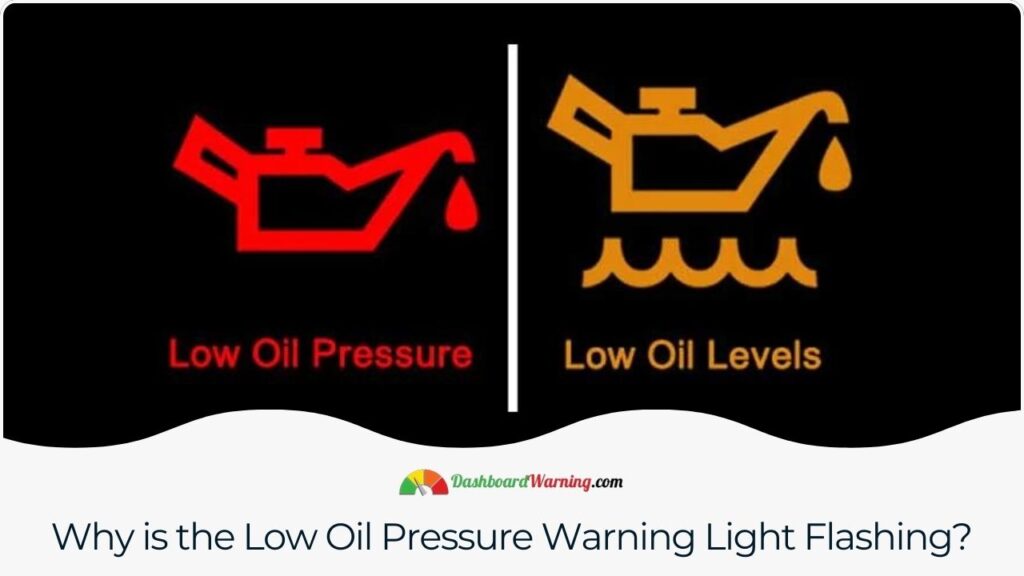
The dreaded oil pressure warning light. That flickering crimson icon on your dashboard, often resembling an old-fashioned oil can, is enough to send shivers down the spine of even the most seasoned gearhead. Unlike the check engine light which can indicate a multitude of relatively minor issues, the oil pressure light screams urgency. Ignoring it could lead to catastrophic engine damage, turning a potentially manageable problem into a wallet-emptying nightmare. This article delves into the reasons behind that illuminated warning, offering a comprehensive overview for enthusiasts, mechanics, and automotive professionals alike.
Understanding Oil Pressure: The Lifeblood of Your Engine
Before diagnosing the problem, it's crucial to understand the role of oil pressure in your engine's operation. The oil pump, driven either by the crankshaft or camshaft, circulates oil throughout the engine, creating a thin film between moving parts. This lubrication minimizes friction, dissipates heat, and helps to seal piston rings. Proper oil pressure is essential for maintaining this crucial film. Insufficient oil pressure means metal-on-metal contact, leading to rapid wear, overheating, and ultimately, engine failure. High oil pressure can also be problematic, potentially overstressing seals and gaskets.
Interpreting the Warning Light: Pressure vs. Level
It's important to distinguish between the oil pressure warning light and the oil level warning light. While some vehicles might have a separate low oil level indicator, many cars rely solely on the pressure sensor to indirectly indicate a low level. The oil pressure light illuminates when the pressure drops below a critical threshold, typically around 5-7 psi. This doesn't necessarily mean your engine is bone-dry, but it does signify that the pump is struggling to maintain adequate lubrication. Never assume a lit oil pressure light is simply a low oil level issue. Always investigate further.
Common Causes of Low Oil Pressure
Several factors can contribute to low oil pressure. Here's a breakdown of the most common culprits:
- Low Oil Level: The simplest and most frequently encountered cause. A leak, excessive oil consumption, or simply neglecting to top off the oil can lead to a dangerously low level, starving the pump.
- Worn Oil Pump: Over time, the oil pump can wear out, reducing its ability to generate sufficient pressure. This is more common in older vehicles or those with high mileage.
- Clogged Oil Pickup Screen: Located in the oil pan, the pickup screen prevents large debris from entering the oil pump. If this screen becomes clogged with sludge or debris, it restricts oil flow to the pump.
- Worn Engine Bearings: Worn main and rod bearings create excessive clearance, allowing oil to escape and reducing overall pressure. This is often accompanied by engine knocking or tapping sounds.
- Faulty Oil Pressure Sensor: The sensor itself can fail, providing a false low-pressure reading. Diagnosing a faulty sensor requires testing with a mechanical gauge.
- Incorrect Oil Viscosity: Using the wrong oil viscosity (too thin) can result in insufficient film thickness and lower pressure, especially at higher temperatures. Always consult your vehicle's owner's manual for the recommended oil specification.
- Sludged Engine: Poor maintenance, infrequent oil changes, or using low-quality oil can lead to sludge buildup, restricting oil flow throughout the engine.
- Damaged Oil Pan: A dented or damaged oil pan can restrict the oil pickup, especially at lower oil levels.
Diagnostic Steps: What to Do When the Light Comes On
If your oil pressure light illuminates, follow these steps immediately:
- Stop the Vehicle: Pull over to a safe location as soon as possible and shut off the engine. Continuing to drive with low oil pressure will cause severe damage.
- Check the Oil Level: Use the dipstick to check the oil level. If it's low, add the appropriate oil type to bring it up to the recommended level.
- Restart the Engine (Briefly): After adding oil, restart the engine briefly and observe the oil pressure light. If it remains on, do not continue driving.
- Listen for Unusual Noises: Pay attention to any unusual engine noises, such as knocking, tapping, or rattling. These sounds can indicate bearing damage.
- Consult a Professional: If the light remains on or you suspect a more serious problem, have the vehicle towed to a qualified mechanic for diagnosis and repair.
Professional Diagnosis: Beyond the Basics
A professional mechanic will typically perform the following diagnostic steps:
- Mechanical Oil Pressure Test: Using a mechanical gauge screwed into the oil pressure sending unit port, the mechanic can verify the actual oil pressure. This eliminates the possibility of a faulty sensor.
- Oil Pressure Sending Unit Check: The sending unit's electrical resistance and continuity are tested to rule out a malfunctioning sensor.
- Oil Sample Analysis: An oil sample can be analyzed for contaminants, wear metals, and viscosity breakdown, providing valuable insights into the engine's condition.
- Inspection of Oil Pump: In some cases, the oil pan may need to be removed to inspect the oil pump for wear or damage.
The oil pressure warning light is a critical indicator of engine health. Treat it with the utmost seriousness. Prompt diagnosis and repair can prevent costly and irreversible damage, ensuring the longevity of your vehicle's engine.