
John Deere Oil Filter Cross Reference Chart
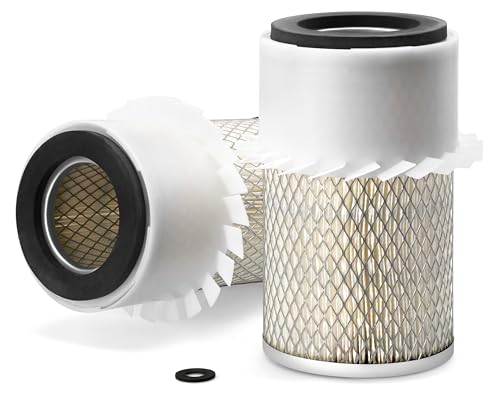
For decades, John Deere has been synonymous with agricultural and construction equipment known for its durability and reliability. While primarily associated with tractors and heavy machinery, John Deere also manufactures a range of oils and filters designed to protect its engines. Many automotive enthusiasts and mechanics have found themselves needing a John Deere oil filter cross reference chart to find compatible alternatives, whether for cost reasons, availability, or specific performance characteristics. This article aims to provide a comprehensive overview of John Deere oil filters, cross-referencing them with common automotive filter brands, and highlighting key considerations when choosing an alternative.
Understanding John Deere Oil Filters
John Deere oil filters are engineered to meet the specific demands of their engines, which often operate in harsh conditions. They are designed to provide superior filtration, trapping contaminants like dirt, debris, and soot that can damage engine components. Features like high-quality filter media, robust construction, and anti-drain back valves are common, ensuring optimal engine lubrication and protection. Before seeking an alternative, understanding these features is crucial.
It's important to note that simply matching thread size and diameter isn't enough. Factors like filtration efficiency (measured in microns), flow rate, and burst strength must be considered. A filter that isn't rated for the correct flow rate can starve the engine of oil, while one with insufficient burst strength can fail under high pressure.
Why Use a Cross Reference Chart?
Several reasons might lead someone to seek a John Deere oil filter cross-reference. Perhaps a preferred automotive filter brand is more readily available, or a specific filter with enhanced performance characteristics is desired. Cost can also be a significant factor, as aftermarket filters from brands like Mobil 1, Fram, Wix, or Purolator can often be more affordable than the OEM John Deere part. However, it's vital to emphasize that choosing an alternative based solely on price is rarely a good idea.
Common John Deere Oil Filter Cross References
Here are some examples of common John Deere oil filter numbers and potential cross-references. This is not an exhaustive list, and it's always best to double-check compatibility using the filter manufacturer's online resources or a reputable parts catalog:
- John Deere AM125423: This filter is commonly used on smaller John Deere engines. Potential cross-references include Fram PH3614, Wix 51394, and Purolator L14476.
- John Deere M806418: Found on various John Deere mowers and small tractors. A possible cross-reference is a Fram PH8A, Wix 51068, or Purolator L30001.
- John Deere AR51481: Used on larger John Deere equipment. Consider a Fram PH5 or Wix 51773 as potential alternatives, but verify the specifications.
Important Note: These are merely examples. Always verify the specifications – thread size, diameter, length, gasket diameter, micron rating, and burst pressure – before installing any alternative filter.
Factors to Consider When Choosing a Cross-Reference
Beyond basic dimensions, several factors are crucial when selecting a cross-reference oil filter:
- Filtration Efficiency: This refers to the filter's ability to remove contaminants of a certain size. Higher efficiency is generally better, but it can also increase flow restriction.
- Flow Rate: Ensure the filter can provide adequate oil flow to the engine, especially at high RPMs.
- Burst Pressure: The filter must be able to withstand the maximum oil pressure generated by the engine.
- Anti-Drain Back Valve: This prevents oil from draining out of the filter when the engine is shut off, ensuring immediate lubrication upon startup.
- Filter Media: Synthetic filter media generally offers superior filtration and flow characteristics compared to cellulose-based media.
Potential Risks and Considerations
While cross-referencing oil filters can be beneficial, it's essential to be aware of the potential risks. Using a filter that doesn't meet the engine's requirements can lead to:
- Reduced Engine Life: Inadequate filtration can accelerate engine wear.
- Oil Starvation: Insufficient flow can cause critical engine components to overheat and fail.
- Warranty Voidance: Using a non-OEM filter might void the engine's warranty.
Therefore, meticulous research and verification are paramount. Consult reputable sources, compare specifications carefully, and if in doubt, stick with the OEM John Deere oil filter.
Conclusion
Navigating the world of John Deere oil filter cross reference can be complex, but with a solid understanding of filter specifications and engine requirements, informed decisions can be made. While aftermarket alternatives can offer cost savings or enhanced performance, prioritizing engine protection and long-term reliability should always be the primary concern. Always double-check compatibility before installation and consider consulting a qualified mechanic if you are unsure.