
Places That Do Transmission Flushes Near Me
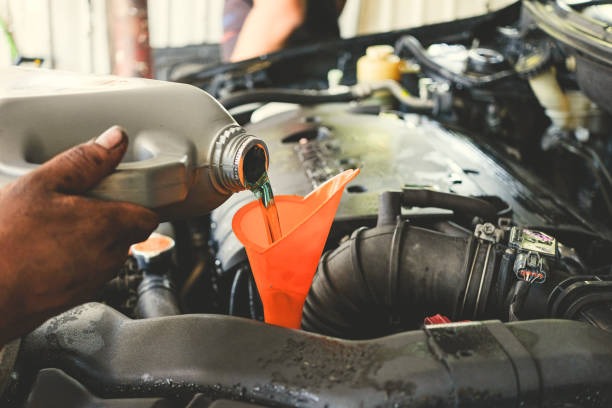
Your car's transmission is a complex system responsible for transferring power from the engine to the wheels. It's filled with transmission fluid, a specialized lubricant that keeps everything running smoothly. Over time, this fluid degrades, accumulating contaminants and losing its lubricating properties. This is where a transmission flush comes in – a process designed to completely replace the old, dirty fluid with fresh, clean fluid.
Why Transmission Flushes Matter
Imagine your transmission as a finely tuned clock. The gears, clutches, and valves need precise lubrication to function correctly. Old, contaminated transmission fluid is like putting sand in that clock. It can lead to:
- Rough Shifting: Notice that clunking or hesitation when changing gears? Dirty fluid can cause the transmission to struggle to engage the correct gear, leading to jerky movements. Think of an older Honda Civic with an automatic transmission – neglected fluid changes are a common culprit behind rough shifts in these reliable vehicles.
- Slipping: This feels like the engine revving without the car accelerating properly. The clutch packs within the transmission need the fluid to maintain friction and grip. When the fluid is degraded, it can't provide that friction, resulting in slippage. This can be especially noticeable in larger vehicles like a Ford F-150, where the transmission works harder to move the vehicle's weight.
- Overheating: Transmission fluid also acts as a coolant. Dirty fluid loses its ability to dissipate heat effectively, which can lead to overheating. High temperatures can severely damage internal components. This is a critical concern for performance cars like a Chevrolet Corvette, where the transmission is subjected to intense stress.
- Complete Transmission Failure: Ignoring these symptoms and continuing to drive with contaminated fluid can ultimately lead to catastrophic failure, requiring a costly rebuild or replacement.
A transmission flush helps prevent these problems by removing the old, contaminated fluid and replacing it with fresh fluid, along with detergents and additives designed to clean and protect the internal components.
Transmission Flush vs. Transmission Fluid Drain and Fill
It's important to distinguish between a transmission flush and a simple drain and fill. A drain and fill only replaces a portion of the fluid (typically around 40-60%), leaving a significant amount of old fluid and contaminants behind in the torque converter and valve body. A flush, on the other hand, aims to replace almost all of the fluid.
Here's a simplified analogy: Imagine you have a glass of dirty water. A drain and fill is like pouring out half the dirty water and adding fresh water. It's better than nothing, but the water is still somewhat dirty. A flush is like completely emptying the glass and filling it with fresh water.
How a Transmission Flush Works
A transmission flush machine is connected to the transmission's cooler lines. The machine pumps new fluid into the transmission while simultaneously extracting the old fluid. This ensures a near-complete exchange of fluid, cleaning the entire system, including the torque converter and valve body. Most machines also introduce a cleaning additive to help loosen deposits before the new fluid is introduced.
Finding Reputable Transmission Flush Services Near You
Now, the question is: where can you get a transmission flush performed? Here are some options:
- Dealerships: Your local dealership is a reliable option, especially if your vehicle is still under warranty. They have trained technicians and use the correct type of fluid specified for your vehicle. For example, a Toyota dealership will know the precise fluid requirements for a Camry or Tacoma.
- Independent Auto Repair Shops: Many independent shops offer transmission flush services. Look for shops with ASE-certified technicians and positive reviews. Ask about their experience with your specific vehicle make and model. For example, if you own a BMW, you'll want a shop familiar with BMW's complex ZF transmissions.
- National Auto Chains: Chains like Firestone, Midas, and Pep Boys also offer transmission services. However, it's crucial to research the specific location and read reviews to ensure they have experienced technicians and use quality fluids.
Questions to Ask Before Getting a Flush
Before committing to a transmission flush, ask the following questions:
- What type of fluid do you use? Make sure they use the correct fluid specified for your vehicle. Using the wrong fluid can damage the transmission. For instance, a Nissan CVT transmission requires a specific CVT fluid, not a generic automatic transmission fluid.
- What is the process? Inquire about the type of machine they use and the steps involved in the flush. A reputable shop will be transparent about their process.
- Do you replace the filter? While not always necessary during a flush (some filters are difficult to access), it's a good idea to consider replacing the filter if it's easily accessible and hasn't been changed in a while.
- What is the cost? Get a written estimate that includes the cost of the fluid, labor, and any other charges. Be wary of unusually low prices, as they might indicate subpar fluid or service.
- Do you offer a warranty? A reputable shop will stand behind their work and offer a warranty on the service.
DIY Transmission Flush (Proceed with Caution!)
While it's possible to perform a transmission flush yourself, it's generally not recommended unless you have significant mechanical experience and the proper equipment. It's a messy and potentially damaging procedure if not done correctly. You'll need a transmission flush machine (which can be expensive to rent or purchase), the correct fluid, and the knowledge to safely disconnect and reconnect the cooler lines. Furthermore, disposing of the used transmission fluid requires adherence to environmental regulations.
If you're determined to DIY, research the specific procedure for your vehicle and proceed with extreme caution. Incorrect fluid levels or improper connections can lead to serious transmission damage.
Practical Takeaways
- Know Your Vehicle's Requirements: Consult your owner's manual for the recommended transmission fluid type and service intervals. This is the single most important factor in maintaining your transmission's health.
- Regular Maintenance is Key: Don't wait until you experience problems before considering a transmission service. Proactive maintenance is always cheaper than repairs.
- Choose a Reputable Service Provider: Research shops in your area and read reviews before entrusting them with your vehicle. Look for ASE-certified technicians and a commitment to quality service.
- Ask the Right Questions: Don't be afraid to ask questions about the process, fluid type, and cost. A reputable shop will be happy to answer your questions and provide a detailed explanation.
- Consider the Costs: A transmission flush is an investment in your vehicle's longevity. While it might seem expensive upfront, it can save you money in the long run by preventing costly repairs or replacements.
By understanding the importance of transmission flushes and taking the necessary precautions, you can help keep your vehicle's transmission running smoothly for years to come.