
Repllace Steering Pump In 2008 Sierra 1500
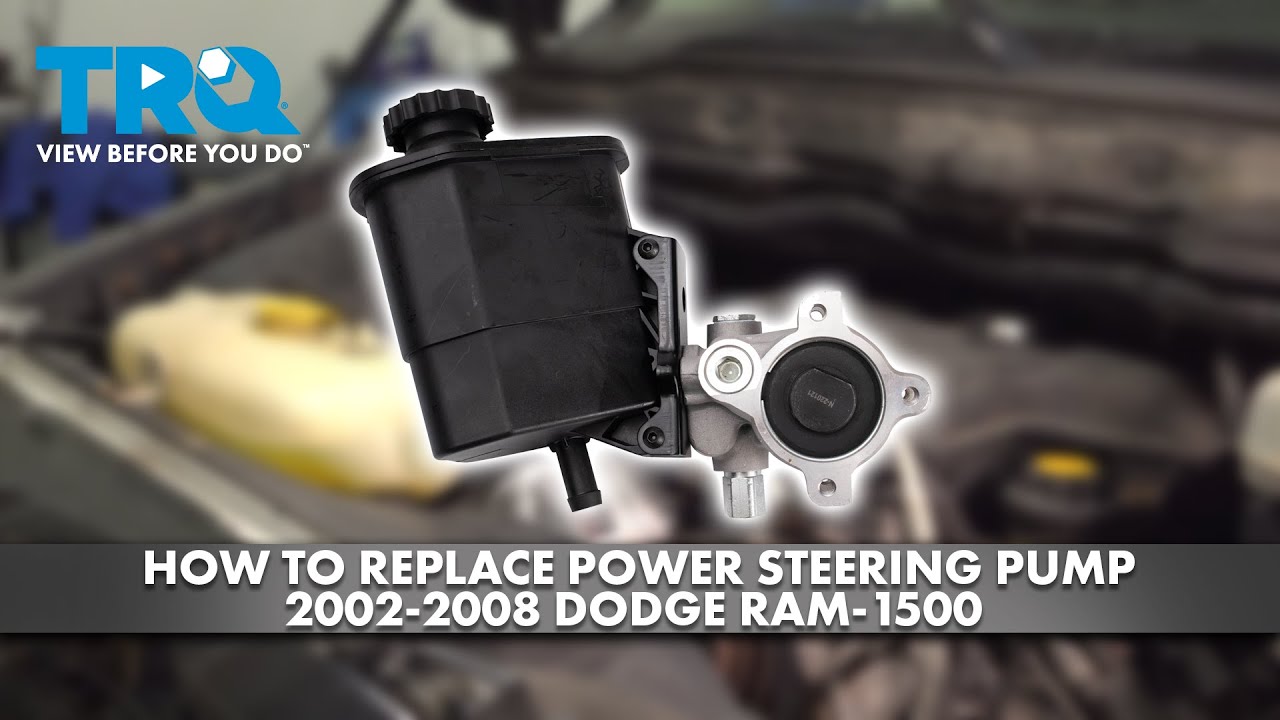
Okay, Sierra fans, let's talk steering. Specifically, the dreaded steering pump groan that plagues many a 2008 Sierra 1500. Nobody likes wrestling a truck, especially not at low speeds or when trying to park. So, what's involved in swapping out that pump, and what do you need to know to get the job done right? Buckle up; we're diving in.
Understanding Your 2008 Sierra 1500 Steering System
First, let's establish some ground rules. The 2008 Sierra 1500, while a generally solid truck, came with a few variations that impact the steering pump replacement process. The biggest factors are engine size and 2WD vs. 4WD. While the fundamental concept remains the same – a belt-driven pump providing hydraulic assist to the steering gear – the specific parts and routing of lines can differ.
Engine Matters: The 4.3L V6, 4.8L V8, 5.3L V8, and 6.0L V8 engines all used slightly different accessory drive layouts, meaning the belt length and the pump's physical location could vary. While the pumps themselves are often interchangeable (check part numbers!), the hose routing and reservoir integration (some models had remote reservoirs, others did not) will influence the ease of replacement.
2WD vs. 4WD: This affects the steering gear itself, and while it doesn't directly change the pump, the location of other components around the pump and lines may differ slightly. Expect a little more wriggling around in a 4WD model due to the front differential and associated hardware.
Choosing the Right Replacement Pump
You've got options, from remanufactured units to brand new, OEM to aftermarket. Here’s a quick rundown:
- OEM (Original Equipment Manufacturer): The most expensive, but guarantees fit and performance. Peace of mind comes at a price.
- Remanufactured: An OEM pump that has been rebuilt. A good compromise between price and quality. Make sure it comes with a warranty!
- Aftermarket (New): Usually the cheapest option. Quality can vary wildly, so research brands carefully. Look for reputable names.
Spec Table: Pump Options (Example - verify fitment for your specific truck!)
| Option | Brand Example | Price (Approximate) | Notes |
|---|---|---|---|
| OEM | GM Genuine Parts | $400 - $600 | Direct replacement, highest quality. |
| Remanufactured | ACDelco, Cardone | $200 - $400 | Good value, check warranty. |
| Aftermarket (New) | BBB Industries, Lares | $150 - $300 | Research brand reputation. |
Note: Prices can vary significantly based on vendor and availability. Always verify compatibility with your specific truck's VIN.
The Replacement Process: A DIYer's Guide
Replacing the steering pump isn't rocket science, but it's not a five-minute job either. Expect to spend a few hours, especially if you're not a seasoned mechanic.
- Preparation is Key: Disconnect the negative battery cable. Gather your tools: wrenches, sockets, pliers, a belt tensioner tool, a turkey baster (for fluid removal), and a container for the old power steering fluid.
- Fluid Evacuation: Use the turkey baster to remove as much old power steering fluid from the reservoir as possible. This minimizes spillage.
- Belt Removal: Use the belt tensioner tool to relieve tension on the serpentine belt and remove it from the steering pump pulley. Diagram the belt routing beforehand!
- Hose Disconnection: Disconnect the high-pressure and low-pressure hoses from the pump. Have rags ready – more fluid will spill. Note the location of any brackets or retaining clips.
- Pump Removal: Unbolt the pump from the engine. This might involve removing other components for access, depending on your engine.
- Installation: Install the new pump, reattaching the hoses and brackets. Use new crush washers (if applicable) for the high-pressure line.
- Belt Reinstallation: Reinstall the serpentine belt, ensuring it's properly seated on all pulleys.
- Fluid Fill & Bleeding: Fill the power steering reservoir with fresh power steering fluid (check your owner's manual for the correct type). Bleed the system by turning the steering wheel lock-to-lock several times with the engine off, then start the engine and repeat. Monitor the fluid level and top off as needed.
Pros & Cons: DIY vs. Professional Installation
DIY Replacement:
- Pros: Saves money on labor costs, satisfying sense of accomplishment.
- Cons: Requires mechanical skill and tools, can be time-consuming, potential for errors.
Professional Installation:
- Pros: Guaranteed workmanship, saves time and effort, peace of mind.
- Cons: Higher cost due to labor charges.
Real-World Driving Impressions After Replacement
A properly functioning power steering system makes a world of difference. Expect a much lighter steering feel, especially at low speeds. No more groaning or struggling to turn the wheel in parking lots! The overall driving experience will be significantly improved, making your 2008 Sierra 1500 feel much newer and more responsive.
After replacement, pay attention to any unusual noises from the pump. A whining sound is a possible indicator of air in the system or a low fluid level, so double-check the system and ensure the fluid is topped off correctly. The new pump should operate quietly and smoothly.
One Last Tip: While you're replacing the steering pump, consider inspecting and potentially replacing the power steering hoses. Old hoses can crack and leak, leading to future problems.
Alright, gearheads, that's the gist of it. Now, let's get the debate going: OEM vs. Aftermarket steering pumps – which do you swear by, and why? Sound off in the comments!